




01. Edit your spis form online
Type text, add images, blackout confidential details, add comments, highlights and more.

Type text, add images, blackout confidential details, add comments, highlights and more.

Draw your signature, type it, upload its image, or use your mobile device as a signature pad.

Send it via email, link, or fax. You can also download it, export it or print it out.
The Seller Property Information Statement, commonly known as the SPIS form, is a document primarily used in Ontario, Canada, for real estate transactions involving residential properties. It serves as a declaration by the seller, providing potential buyers with detailed information about the property. This can include data about the property's physical condition, zoning and legal compliance, environmental concerns, and other relevant factors. Although not a warranty, the SPIS form aims to facilitate transparency between the seller and buyer, encouraging the latter to make informed decisions.
Completing the SPIS form involves several key steps to ensure all necessary information is accurately captured and disclosed.
Begin with General Property Information:
Detail Structural Insights:
Address Environmental and Health Concerns:
Provide Legal and Zoning Information:
Sign and Date the Form:
Understanding the terms used within the SPIS form is crucial for both sellers and buyers.
The SPIS form plays a critical legal role in real estate transactions. While it is not legally mandatory in Ontario, its use is highly recommended as part of proper disclosure in a transaction. The aim is to shield the seller from future disputes over nondisclosure of known property issues. Legally, any inaccuracies or omissions can become contentious; thus, the information provided should be as accurate as possible, though buyers are also encouraged to conduct their inspections and due diligence.
In its entirety, the SPIS form comprises various elements that should be meticulously filled out.
The SPIS form finds utility in various real estate scenarios.
While the SPIS form is primarily utilized in Ontario, other regions may have their variations or guidelines that govern property disclosures. In the U.S., for example, disclosure requirements differ significantly from state to state, often mandating specific forms to address regional legal and environmental concerns — like earthquake disclosures in California or floodplain information in Florida.
When completing the SPIS form, sellers should assemble all relevant documents to provide accurate information.
Engaging thoroughly with the SPIS form ensures that sellers fulfill their disclosure obligations, protecting them from possible legal consequences, while providing buyers with essential information to make informed purchasing decisions.
At DocHub, your data security is our priority. We follow HIPAA, SOC2, GDPR, and other standards, so you can work on your documents with confidence.
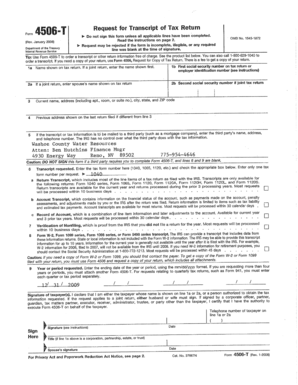
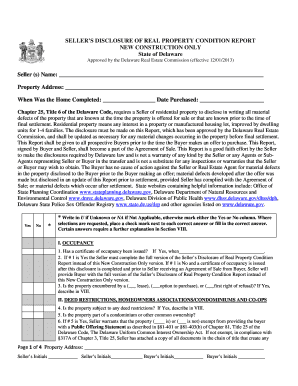

In this section, you will find the forms and detailed instructions for completing your enrollment for 2025 SPIS once you have been admitted to the program.
There are two ways to edit the SPI word you would like to send, depending on how you decide to configure SPIGen. You can either view the words in binary or
Apr 1, 2009 The Safety Priority Index System (SPIS) is a method originally developed in 1986 by the. Oregon Department of Transportation (ODOT) for


