





Definition and Meaning of Online Forms
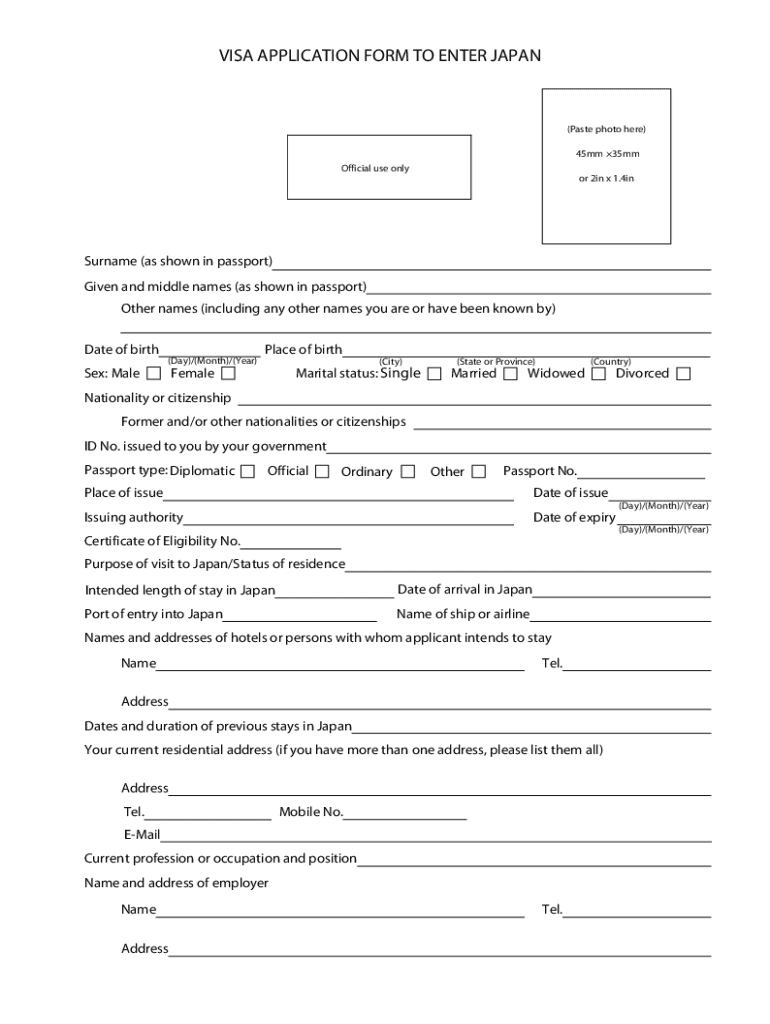
Online forms are digital documents designed to collect information over the internet. These forms mimic traditional paper forms but offer enhanced capabilities like automated data validation and real-time data collection. Unlike physical forms, online forms can simplify the data entry process, reduce errors, and provide immediate access to the collected information. They can be used across various platforms and devices, increasing accessibility and convenience for users.
How to Use the Form Online
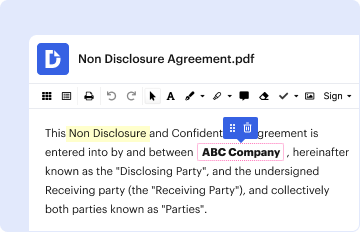
To use an online form effectively, start by accessing the platform where the form is hosted, such as DocHub. Once there, you can view and interact with the form on your desktop or mobile device. You need to input information directly into the designated fields, which might include typing text, selecting options from dropdown menus, or checking boxes. Review your entries carefully to ensure accuracy before submitting. Online forms often include tools for saving your progress, so you can return to the form at a later time if needed.
Steps to Complete the Form Online
- Access the Form: Visit the host website, such as DocHub, and locate the specific form you need.
- Input Information: Fill in each required field with accurate data. Pay attention to mandatory fields, typically marked with an asterisk.
- Attach Necessary Documents: If required, upload supporting documents directly to the form-enhanced platform.
- Review and Edit: Before submitting, carefully review all entered information for errors or omissions.
- Submit the Form: When satisfied with the information, submit the form via the platform’s submit button.
- Receive Confirmation: After submission, you'll usually receive a confirmation email or message indicating successful completion.
Why Should You Use Online Forms
Online forms offer speed and efficiency in data collection and processing. They eliminate the need for paper-based submissions and manual data entry, significantly reducing processing time and potential for errors. Additionally, online forms are environmentally friendly as they reduce paper usage. The capability for instant submission and receipt of user data makes them ideal for businesses, government agencies, and educational institutions. They also support a variety of inputs, from text entries to file uploads, enhancing their versatility.
Key Elements of Online Forms
Online forms comprise several crucial elements that ensure functionality and user-friendliness:
- Text Fields: For entering personal or professional details.
- Dropdown Menus: Provide a list of predefined options.
- Checkboxes and Radio Buttons: Allow selection of single or multiple options.
- File Upload: Capability to attach documents or images.
- Captcha Tools: Ensure submissions are made by humans, not automated bots.
- Submit and Reset Buttons: For finalizing or clearing entries.
These elements work together to create seamless and effective user interactions, ensuring the form captures necessary data while maintaining a user-friendly interface.
Who Typically Uses Online Forms
Online forms are utilized by a broad spectrum of users, including:
- Businesses: For customer feedback, registration, and ordering processes.
- Educational Institutions: Applying forms in application processes and surveys.
- Government Agencies: Using them for applications, renewals, and data collection.
- Healthcare Providers: For patient details, appointment scheduling, and medical history collection.
The convenience and flexibility of online forms make them a popular choice across diverse sectors.
Legal Use of Online Forms
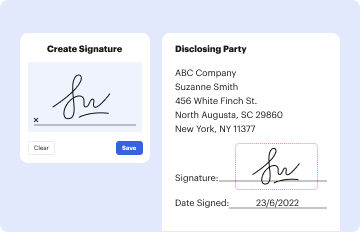
The legal admissibility of online forms, particularly those requiring signature, hinges on compliance with acts like the ESIGN Act in the United States. This act recognizes electronic signatures as legally binding as physical signatures under certain conditions. Users should ensure that online forms comply with these regulations to maintain their legal validity. Precautions like SSL encryption and data protection measures are critical for preserving the confidentiality and integrity of the information exchanged electronically.
Software Compatibility
Many online forms are compatible with popular software such as Adobe Acrobat, DocuSign, and Google Workspace tools. Platforms like DocHub integrate with Google Drive and Gmail, allowing seamless import and export of documents. Compatibility with platforms like QuickBooks simplifies processing forms related to financial data. It's crucial to ensure that your chosen submission method supports these integrations for optimal efficiency.
State-Specific Rules for Online Forms
Certain online forms, especially those related to legal or governmental processes, may vary according to state regulations. Each state's laws may impose unique requirements regarding data privacy, submission deadlines, and required documentation. Users should consult the specific guidelines provided by the issuing organization in their state to ensure compliance. It's also wise to stay informed about any recent legislative changes that could impact the use of online forms within different jurisdictions.