
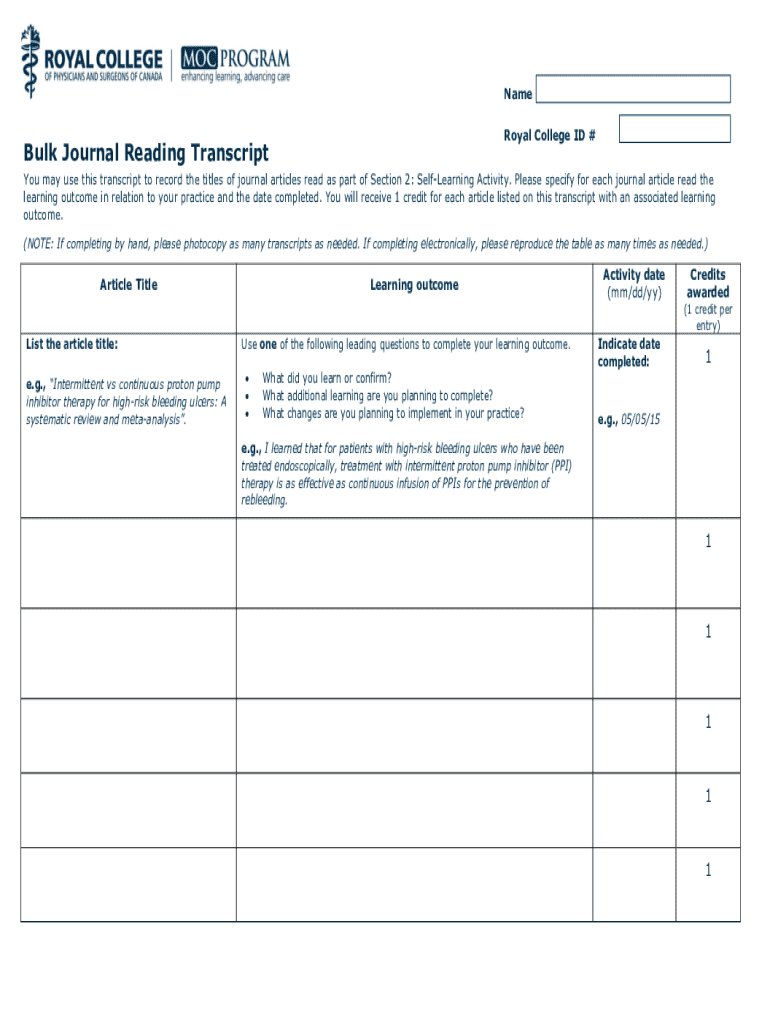







Definition & Meaning
The term "form online" encompasses a wide range of digital documents that can be created, completed, and submitted electronically. These forms facilitate various processes, from gathering personal data to executing legal agreements. In the context of document management solutions like DocHub, "form online" primarily refers to fillable forms, which streamline data collection and eliminate the need for physical paperwork.
Types of Online Forms
- Application Forms: Commonly used for job applications, school admissions, and grant submissions.
- Tax Forms: Essential for reporting income and other financial details to the IRS.
- Consent Forms: Used in healthcare and research to obtain permission from participants.
- Surveys and Feedback Forms: Important for collecting opinions and feedback from clients or employees.
Advantages
- Convenience: Forms can be completed anytime and from any location.
- Efficiency: Automated fields and drop-down menus speed up data entry.
- Environmentally Friendly: Reduces paper waste and printing costs.
How to Use the Form Online
Using forms online involves a few simple steps to ensure accurate and efficient data entry. Platforms like DocHub make this process intuitive and user-friendly.
Navigating the Platform
- Access the Platform: Start by logging into DocHub or any similar platform.
- Choose Your Form: Select from pre-existing templates or create a new form.
- Fill the Fields: Enter the required information in the text boxes and select options from drop-down menus.
- Upload Documents: Attach any necessary files or add-ons as required by the form.
Tips for Accurate Submission
- Review Entries: Double-check all inputs for errors or omissions.
- Save Progress: Use the save function to avoid losing data.
- Clear Instructions: Follow any embedded guidelines to ensure proper completion.
Steps to Complete the Form Online
Completing an online form can be a straightforward process if approached methodically. Following these steps can help ensure a seamless experience.
-
Start With Personal Information: Begin by entering basic details such as your name and contact information. Make sure all entries are accurate to avoid processing delays.
-
Follow Form-Specific Instructions: Pay attention to instructions associated with specific fields. For example, some fields may require specific formats, such as MM/DD/YYYY for dates.
-
Utilize Templates for Consistency: If filling out similar forms regularly, using templates ensures consistency and speed.
-
Verify Critical Data: Check critical information like Social Security numbers or financial data, as errors can lead to significant complications.
-
Sign Electronically: Using DocHub, apply your electronic signature to confirm the information provided.
Why Should You Form Online
The advantages of shifting to online forms are numerous, offering both practical benefits and strategic advantages.
Key Benefits
- Time Efficiency: Reduces the time spent on manual entry, searching for paperwork, and physical submission.
- Instant Feedback: Receive immediate feedback on errors or omissions, allowing for quick corrections.
- Cost-Effective: Saves money on printing, mailing, and storage.
- Accessibility: Easy access for individuals with disabilities, enhancing inclusivity.
Long-term Impact
- Data Quality: Improved data accuracy through validation checks and mandatory fields.
- Scalability: Easily adapts to growing business needs or increased data requirements.
- Security: Enhanced security measures like encryption and password protection safeguard sensitive information.
Who Typically Uses the Form Online
Numerous individuals and entities benefit from using forms online, each leveraging digital capabilities for specific needs.


Common Users
- Small Businesses: Manage tax forms, employee onboarding, and client agreements efficiently.
- Educational Institutions: Handle enrollment forms and parental consents with ease.
- Healthcare Providers: Streamline patient forms and prescriptions digitally.
- Government Agencies: Facilitate public services and compliance through streamlined forms.

Unique Use Cases
- Nonprofits: Collect donations and manage volunteer information securely.
- Freelancers: Generate invoices and manage contracts quickly.
Important Terms Related to Form Online
Familiarity with terminology specific to online forms can facilitate better understanding and usage.
Glossary
- Fillable Fields: Sections within a form where users input data or make selections.
- Electronic Signature: A digital mark placed on a document to signify agreement or approval.
- Mandatory Fields: Required areas in a form that must be completed for it to be submitted.
- PDF Format: A file format used to present documents consistently across different platforms.
Legal Use of the Form Online
Understanding the legal implications of using online forms is crucial to ensuring compliance with applicable laws and regulations.
Compliance Requirements
- ESIGN Act: Governs the use of electronic signatures and ensures they are legally binding.
- Data Protection: Adhering to privacy laws like GDPR or local equivalents to protect user information.
Best Practices
- Audit Trails: Maintain a record of form interactions for accountability and legal protection.
- Regular Updates: Ensure forms are up-to-date with current legal standards and requirements.
Key Elements of the Form Online
A well-constructed online form contains key elements designed for functionality and user-friendliness.
Essential Components
- Header: Includes form title and relevant instructions.
- Contact Information Section: Collects user details like name and email.
- Compliance Notices: Legal disclaimers or warnings regarding the use of the information.
- Submission Button: Enables users to submit the completed form electronically.
Advanced Features
- Conditional Logic: Shows or hides fields based on user inputs.
- Progress Indicators: Provides users with a sense of completion status, encouraging full form submission.




