
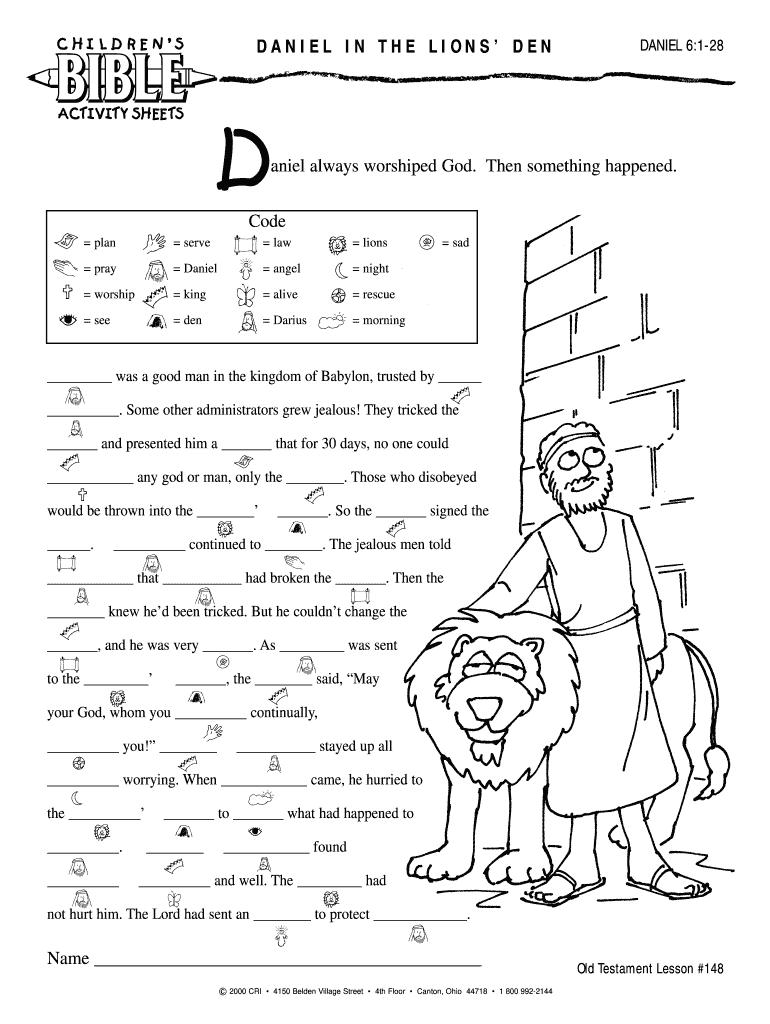







Definition and Meaning of Daniel in the Lions Den
The story of Daniel in the lions' den is a powerful biblical account from the Book of Daniel, chapter six. This narrative illustrates the themes of faith, perseverance, and divine protection. Daniel, a faithful servant of God, was appointed as a high-ranking official under King Darius of Persia. Jealous administrators conspired against him, persuading the king to issue a decree that prohibited worshipping any god other than the king himself. Despite the decree, Daniel continued to pray to God. As a consequence, he was thrown into a den of lions. However, through divine intervention, Daniel emerged unharmed, showcasing both his unwavering faith and God's enduring protection.
- Cultural Significance: This story is pivotal in many religious teachings, emphasizing the importance of faithfulness in the face of adversity. It teaches that steadfastness in faith can lead to miraculous outcomes.
- Religious Interpretations: Different religious traditions may emphasize various aspects of the story, focusing on themes such as obedience, faith, and divine justice.
How to Use the Daniel in the Lions Den Activity Sheets
Daniel in the lions' den activity sheets can be utilized as educational tools to teach children about this biblical story and its moral lessons. These worksheets can include various formats such as reading comprehension questions, drawing activities, and fill-in-the-blank exercises.
- Reading Comprehension: Include passages from the story followed by questions that spark critical thinking about the characters’ motivations and actions.
- Creative Arts: Encourage creativity by having students draw scenes from the story or illustrate how they would feel in Daniel's place.
- Discussion Prompts: Use worksheets to facilitate group discussions. Questions could focus on the importance of faithfulness and the consequences of standing up for one’s beliefs.
Steps to Create and Implement Daniel in the Lions Den Worksheets
To design effective worksheets based on the Daniel in the lions' den story, follow these steps:
- Identify Key Themes: Determine what lessons you want to focus on, such as faith, bravery, and divine protection.
- Select Activities: Choose a variety of activities to engage different learning styles. These could include word searches, crossword puzzles, or creative writing prompts related to the story.
- Design the Layout: Create a visually appealing layout that is easy for children to follow. Use illustrations and headings to break the content into manageable sections.
- Test the Sheets: Before distributing, conduct a trial run with a small group to ensure the activities are clear and engaging.
- Feedback and Revision: Collect feedback from users and make necessary adjustments to improve the worksheets.
Important Terms Related to Daniel in the Lions Den
Understanding key terms associated with the story of Daniel in the lions' den enhances comprehension and engagement. Some significant terms include:
- Divine Intervention: The belief that God intervenes in human affairs, particularly in critical situations, as demonstrated in Daniel's escape from the lions.
- Faithfulness: The quality of being loyal and steadfast in one's beliefs or obligations, exhibited by Daniel throughout the narrative.
- Persecution: The act of harassing or oppressing individuals for their beliefs or practices, which is central to Daniel's experience.
Examples of Activities Using Daniel in the Lions Den Worksheets
Here are several engaging activities to incorporate with the Daniel in the lions' den worksheets:
- Role-Playing: Have students act out the story. Assign roles such as Daniel, the king, and the administrators. This can deepen their understanding of the moral dilemmas faced by each character.
- Creative Writing: Prompt students to write a letter from Daniel's perspective, describing his feelings before and after being placed in the lions' den.
- Mapping the Story: Create a visual map that outlines the events of the story in chronological order. This helps students visualize the sequence and understand the plot better.
These activities not only reinforce the story’s lessons but also develop critical thinking and creativity among students.




