






Definition & Importance of Border Security: Barriers Along the U.S. International Border
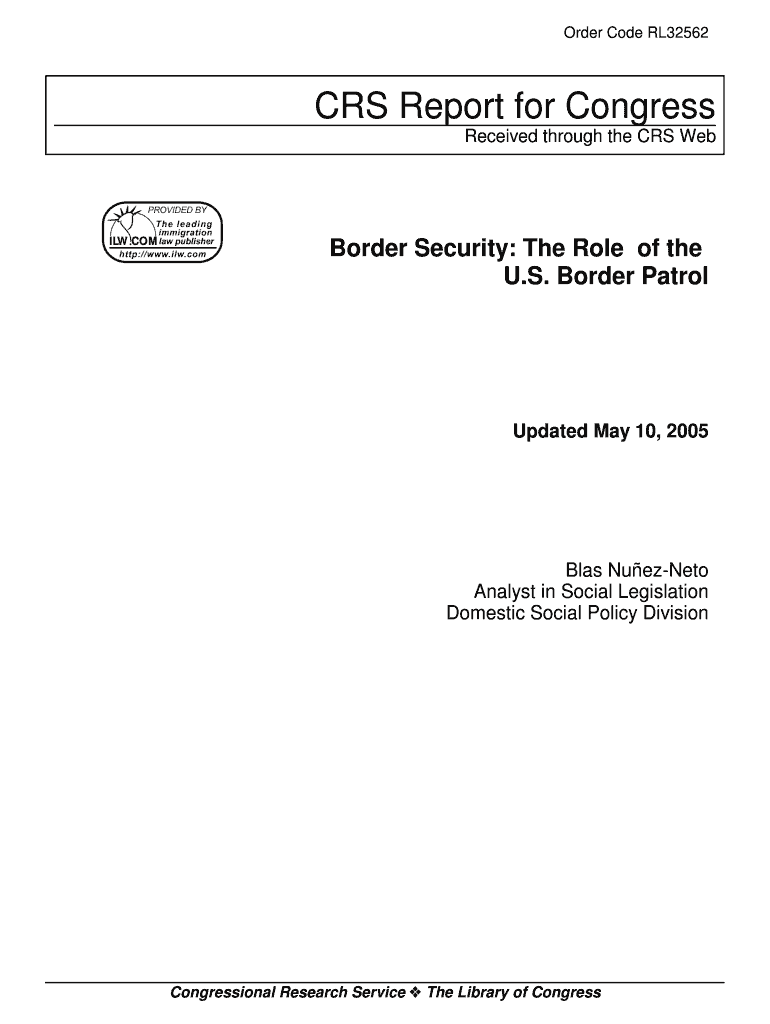
Border security encompasses the measures taken to safeguard national boundaries against unauthorized entry, including migration, drug smuggling, and potential terrorist infiltration. Barriers along the U.S. international border are critical in maintaining national security and legal immigration processes. These barriers, both physical and technological, serve as deterrents to unauthorized border crossings, ensuring that entry points are managed and monitored effectively.
How to Use Information About Border Security Barriers
Understanding the deployment and function of border security barriers is essential for lawmakers, border patrol agents, and researchers. This information guides strategic planning and enhances the efficiency of border security operations. It is also vital for individuals and organizations aiming to comply with border security regulations, as it informs them of legal entry processes and the importance of barrier structures in preventing illegal activities.
Steps to Complete an Analysis on Border Security
- Gather Data: Collect up-to-date data on current barrier deployments, including physical walls and technological systems.
- Review Legislation: Examine U.S. policies and laws regarding border security to understand the legal framework.
- Engage Stakeholders: Consult with U.S. Border Patrol, policymakers, and communities affected by border policies.
- Analyze Effectiveness: Assess the impact of barriers on preventing unauthorized crossings and criminal activities.
- Compile Findings: Summarize the analysis in a report that highlights strengths, weaknesses, and areas for improvement.
Key Elements of Border Security Barriers
- Physical Barriers: Includes fences, walls, and other structures designed to prevent vehicular and pedestrian crossings.
- Technological Systems: Surveillance systems like cameras, drones, and sensors for real-time monitoring and data collection.
- Human Patrols: Border Patrol agents are essential for enforcement, responding to incursions, and managing legal crossings.
- Biometric Systems: Advanced technology used to identify individuals and cross-check against criminal databases.
Legal Use and Compliance
Border security measures must comply with international human rights and U.S. constitutional law. Legal use involves ensuring that border control practices respect individual rights while achieving national security objectives. Compliance is maintained through regular audits and adjustments of border security policies in response to emerging threats and technological advancements.
Who Uses Border Security Information?
- Government Agencies: For policy development, enforcement strategies, and resource allocation.
- Academics and Researchers: Analyzing the impact of barriers on migration patterns and security.
- Community Organizations: Advocating for immigrant rights and monitoring the effect of barriers on local communities.
Important Terms Related to Border Security
- Prevention Through Deterrence: A strategy aimed at discouraging unauthorized crossings through visible security measures.
- Biometric Data: Personal identification data used for verifying identities at border checkpoints.
- Surveillance Technology: Tools like CCTV, aerial drones, and ground sensors utilized in border monitoring.
Challenges and Considerations
Deploying and maintaining border security barriers involves addressing various challenges:
- Migrant Safety: Preventing injuries or deaths due to extreme weather or hazardous crossing attempts.
- Environmental Impact: Mitigating negative effects on wildlife and natural habitats near border areas.
- Technological Failures: Ensuring systems are reliable and resistant to hacking or technical malfunctions.
Collaborative Efforts in Enhancing Border Security
Efforts to strengthen border security involve collaboration among multiple sectors:
- International Partnerships: Working with neighboring countries to manage cross-border issues cooperatively.
- Public Private Partnerships: Leveraging technological innovations from the private sector for advanced surveillance and monitoring solutions.
- Community Engagement: Encouraging local input and support to minimize the societal impact of border measures.
Examples of Border Security Application
- U.S.-Mexico Border: Utilization of walls, patrols, and surveillance technology is significant in managing immigration and smuggling.
- U.S.-Canada Border: Focuses on technological surveillance and collaboration with Canadian authorities to prevent illegal activities.
This comprehensive overview provides critical insights into the role and implementation of border security barriers along the U.S. international border, driving informed decision-making and promoting effective border management practices.