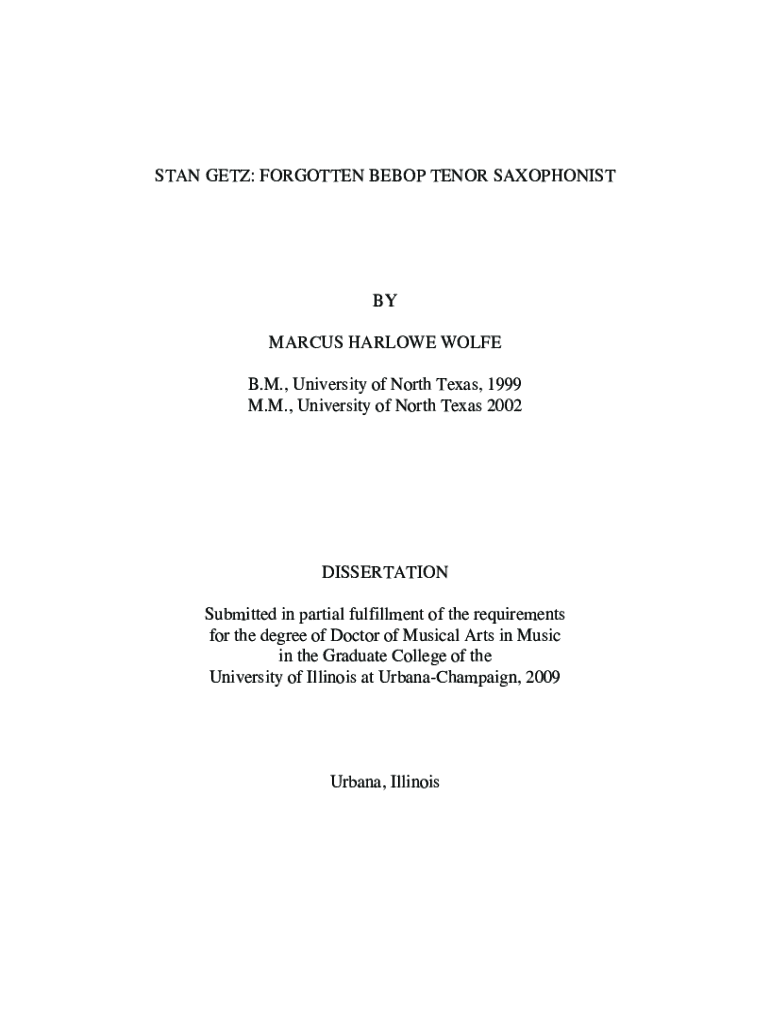







Understanding Stan Getz in Bebop Jazz
Stan Getz, an influential tenor saxophonist, significantly contributed to bebop jazz. His unique style blended elements of swing and bebop, drawing inspiration from legends like Lester Young and Charlie Parker. This section delves into Getz's signature approach, highlighting how his distinct improvisational techniques positioned him as a pivotal figure in jazz history.
Historical Context and Influence
The mid-20th century jazz scene saw a transformation, with musicians like Getz pushing the boundaries of traditional music forms. By examining recordings from , Getz's involvement in this evolution is evident. His work during this time reflects a harmonious blend of complex melodies and rhythms that exemplify the bebop era's advancement.
The Unique Improvisational Style of Stan Getz
Getz's improvisational style is marked by a rich vocabulary that showcases his ability to synthesize swing elements with bebop's complexities. His solos often incorporate intricate harmonic structures and rhythmic variations that are still studied for their innovative nature. This section explores the nuances of his style and its lasting impact.
Key Elements and Techniques in Getz's Music
- Melodic Construction: Getz's melodies are noted for their smooth transitions and elaborate phrasing.
- Rhythmic Innovation: His rhythms exhibit syncopation and unexpected shifts, adding to the dynamic nature of his performances.
- Harmonic Exploration: Getz frequently explored unusual chord progressions, adding depth to his compositions.
The Evolutionary Role of Jazz
Getz's contributions reinforce the idea that jazz music is an evolutionary process. His work illustrates a transition from swing's structured forms to bebop's freer, more exploratory nature. This progression highlights jazz as an ever-changing genre, continually redefining itself through artists like Getz.
The Overlooked Legacy of Stan Getz
Despite his significant contributions, Getz is often overlooked in discussions of bebop pioneers. This section examines possible reasons for this and argues for greater recognition of his role. It also highlights jazz as a collective narrative, where every artist's contribution shapes its course.
Case Studies: Notable Recordings
To understand Getz's influence, analyzing specific recordings from offers insights into his musical approach. These recordings exemplify his technique and the era's cultural influence, showcasing the depth and complexity of his work within the bebop genre.
Understanding Jazz Scholarship’s Oversight
Wolfe's dissertation underscores the oversight in jazz scholarship concerning Getz's contributions. It is crucial to revisit historical analyses to ensure that such important figures are appropriately recognized for their instrumental roles in the genre's development.
The Streams of Swing and Bebop
Getz's music exemplifies a bridge between the swing era and bebop. By incorporating elements of both styles, he created a unique sound that was innovative yet rooted in tradition. This exploration ensures a comprehensive understanding of jazz's transitional phases.
Stan Getz's Continued Influence
Modern jazz musicians often cite Getz as an influence, recognizing his role in shaping music today. This section discusses how his techniques are applied in contemporary jazz, ensuring his legacy continues to inspire future generations.