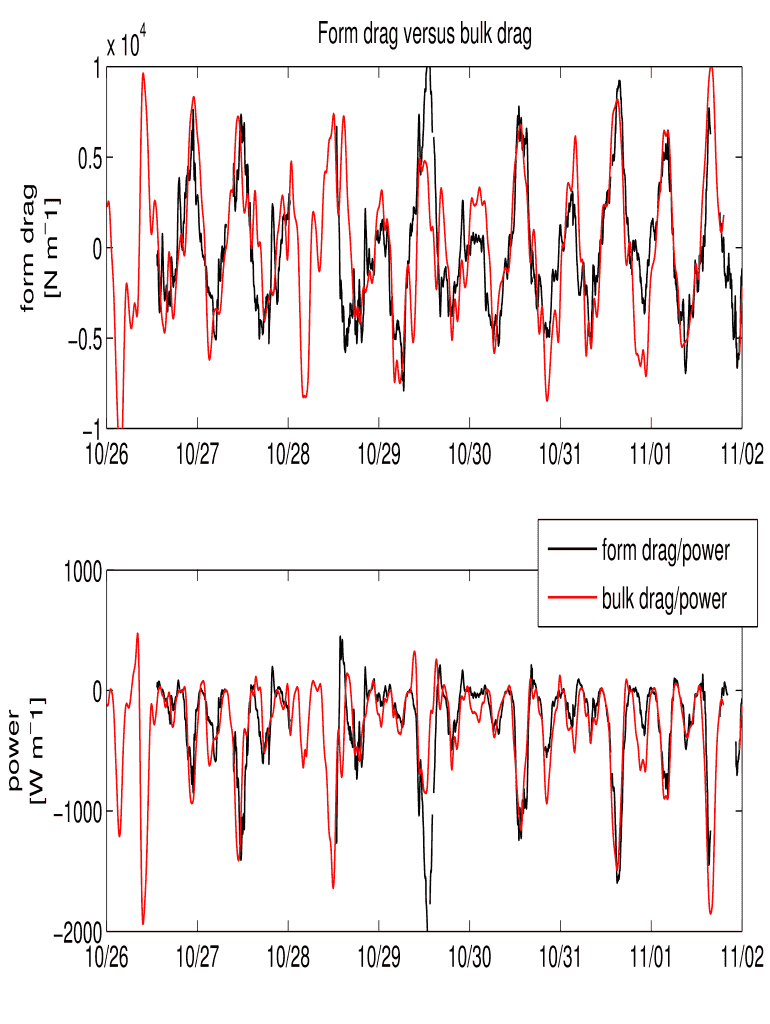







Definition and Meaning of Form Drag Versus Bulk Drag
Form drag, often referred to as pressure drag, is a type of aerodynamic drag caused by the shape of an object as it moves through a fluid, such as air or water. The shape of the object affects how the fluid flows around it, which in turn influences the drag force experienced. On the other hand, bulk drag encapsulates all additional forces that resist the object’s motion through the fluid, including surface friction and turbulence effects. When comparing form drag and bulk drag, it is important to understand their impact on design and performance in various fields, such as automotive and aviation industries.
How to Use the Form Drag Versus Bulk Drag Consideration
When evaluating the performance of vehicles or structures subject to fluid flow, analyzing form drag versus bulk drag can be critical. Engineers often assess these metrics using computational fluid dynamics (CFD) simulations or wind tunnel tests. This process involves:
- Identifying the primary drag-contributing features of the object.
- Using analytical models to calculate form drag as a function of the object’s shape.
- Examining bulk drag through experimental measurements or simulations to account for other resistive forces.
- Iterating on design modifications to optimize the balance between form and bulk drag, with a focus on achieving efficiency and performance goals.
Steps to Complete Analysis of Form Drag Versus Bulk Drag
Completing a thorough analysis of these drag types involves several key steps:
- Define the dimensional parameters of the object and the fluid properties.
- Conduct experimental tests or use CFD tools to model fluid flow around the object.
- Separate the forces contributing to form drag from those contributing to bulk drag using analytical techniques.
- Compile data over a range of conditions to account for variations in drag behavior.
- Analyze the results and interpret the implications for design improvements or operational adjustments.
Key Elements in the Study of Form Drag Versus Bulk Drag
Understanding form and bulk drag involves several critical factors:
- Shape and Surface Area: The contour and size of the object significantly affect the form drag experienced.
- Fluid Velocity: Higher speeds generally result in increased drag forces.
- Surface Roughness: Smoother surfaces tend to reduce bulk drag by minimizing frictional resistance.
- Angle of Attack: The orientation of the object relative to the fluid flow can alter drag characteristics.
- Flow Regime: Laminar versus turbulent flow can impact the drag, influencing both form and bulk components.
Examples of Using Form Drag Versus Bulk Drag Analysis
Analyzing form and bulk drag offers valuable insights across different fields:
- In automotive design, engineers reduce form drag to improve fuel efficiency by refining the vehicle's aerodynamic profile.
- Aircraft development focuses on minimizing both drag types to enhance lift-to-drag ratios, thereby improving range and speed.
- Competitive rowing or swimming gear often undergoes optimization to reduce drag forces, enabling athletes to perform with maximum efficiency.
Software Compatibility for Form Drag Versus Bulk Drag Simulation
Various software programs support the simulation of form and bulk drag:
- Ansys Fluent: Widely used for CFD analysis, enabling detailed simulation of drag forces across fluid flows.
- SolidWorks Flow Simulation: Integrates with design models to predict aerodynamic performance effects.
- COMSOL Multiphysics: Offers versatile modeling capabilities for understanding complex drag interactions in multiphysics environments.
- Many programs allow customization and integration with third-party tools, enhancing analytical precision in evaluating drag impacts.
Businesses That Benefit Most from Form Drag Versus Bulk Drag Analysis
Certain business types find drag analysis particularly advantageous:
- Automotive Companies: Improved vehicle designs with reduced drag contribute directly to sustainability and efficiency.
- Aerospace Engineering: Enhancing flight dynamics by minimizing drag extends aircraft range and fuel economy.
- Sports Gear Manufacturers: Designing equipment with optimized drag properties aids competitive performance by reducing energy losses.
- Wind Energy Firms: Understanding aerodynamic forces informs blade design for maximum efficiency and power output.
Legal and Compliance Aspects of Drag Analysis
While legal constraints are less common in drag analysis compared to other areas like emissions, certain compliance factors may apply:
- Adherence to industry standards for aerodynamic testing ensures validated and accurate measurements.
- Compliance with environmental regulations can necessitate drag reductions to meet fuel consumption or emissions targets.
Incorporating detailed analysis of form drag versus bulk drag into design strategies can substantially enhance performance, efficiency, and compliance with industry standards across numerous applications and sectors.