






Definition and Importance of the Low Income In-Home Display and Programmable Communicating
The "Low Income In-Home Display and Programmable Communicating" refers to technology systems implemented in residential settings to help low-income households manage their energy consumption effectively. These systems typically include programmable communicating thermostats and in-home display units that provide real-time data on energy usage. These devices are intended to empower users with the information necessary to make informed decisions about their energy use, potentially leading to cost savings.
- Programmable Communicating Thermostat: This device allows users to set schedules for heating and cooling their homes, optimizing energy usage based on specific needs.
- In-Home Display: An interface that provides real-time feedback on energy consumption, giving users insights into how their actions impact their energy bills.
This technology aims at reducing energy bills for low-income families while contributing to larger energy efficiency goals within communities.
Key Components of the Technology
Understanding the components that make up this technology is crucial for determining its potential effectiveness and limitations. The primary components involved in these systems are:
Programmable Thermostats
- Scheduling Capability: Allows setting of different temperatures for different times of the day.
- Remote Access: Some systems offer control via smartphone apps, enabling adjustments from anywhere.
- Energy Saving Features: Includes top settings for optimal energy usage.
In-Home Displays
- Real-Time Usage Data: Provides immediate feedback on energy use, helping identify peak usage times.
- Historical Data Tracking: Offers insights into past consumption patterns to better understand usage trends.
- User Interface: Designed to be easily understandable, making it accessible for all household members.
How to Acquire and Implement Technology
Individuals and families interested in acquiring these systems should understand the process involved and potential challenges. Here are key steps to obtaining and setting up these devices:
- Eligibility Verification: Determine if you meet criteria set by local utility providers for receiving low-income energy management assistance.
- Application Process: Submit applications through energy assistance programs, often available through utility companies or local government.
- Installation: Once approved, professionals usually handle installation to ensure the system functions correctly.
- Training and Support: Many programs include training sessions to help users understand and utilize the technology effectively.
Benefits and Limitations
While the aim of this technology is to assist low-income households, there are several factors that influence its effectiveness.
-
Benefits:
- Potential reduction in energy bills.
- Increased awareness of energy usage patterns.
- Contribution to environmental goals by reducing overall energy consumption.
-
Limitations:
- Initial technical challenges in installation and use.
- Reliance on technology may not suit all users, particularly those less comfortable with digital devices.
- Limited impact on energy savings reported by pilot programs.
Use Cases and Feedback from Pilot Programs
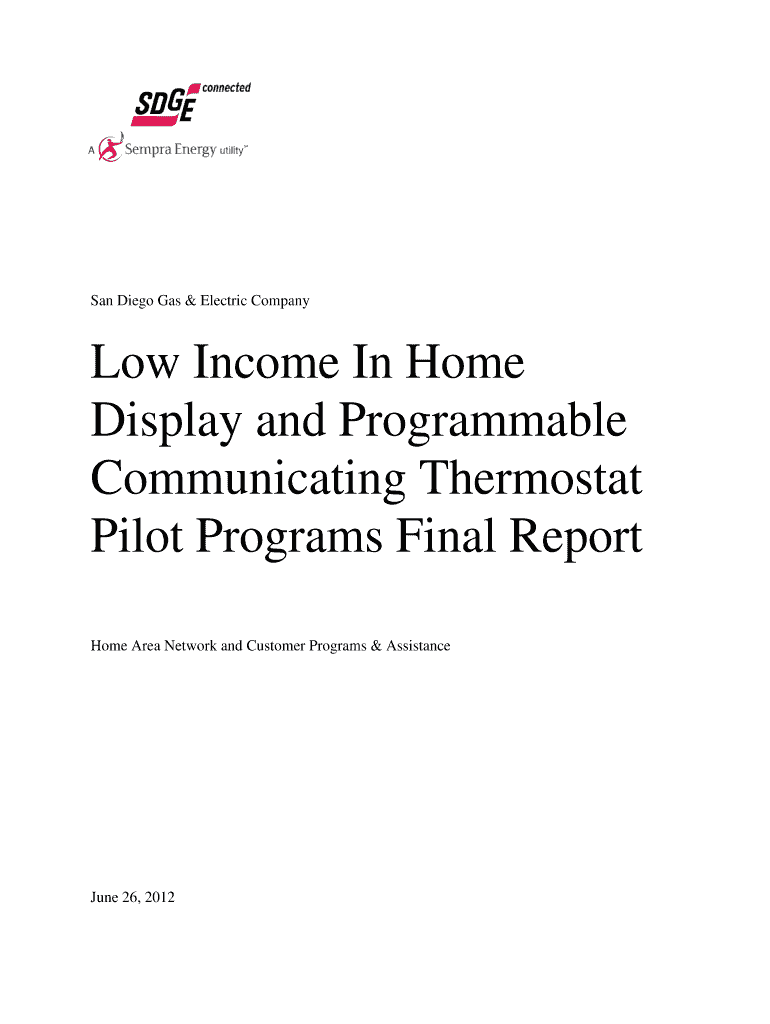
The San Diego Gas & Electric Company conducted pilot programs to evaluate the effectiveness of these technologies. Key findings from these programs provide insight into real-world applications and outcomes:
- Participants often reported an appreciation for greater insight into their energy consumption patterns.
- Despite increased awareness, the pilot programs highlighted issues such as the technology’s reliability and limited tangible energy savings.
- Based on these findings, recommendations were made not to extend the programs as initially planned.
Real-World Scenarios
- A family reducing energy costs during peak hours by setting thermostats to lower usage automatically.
- Households identifying inefficient appliances through usage data displayed on their in-home units.
Eligibility and Legal Use
Eligibility for receiving this technology is typically stipulated by local utility companies or government programs aiming to support low-income households. Legal conditions apply to these programs to ensure they meet energy efficiency and privacy standards.
- Eligibility Criteria:
- Verification of household income levels.
- Residency within certain geographic boundaries.
- Legal Compliance:
- Adherence to standards for electronic data privacy.
- Compliance with state-specific regulations on energy management devices.
Conclusion: Leveraging Technology for Energy Efficiency
The Low Income In-Home Display and Programmable Communicating systems represent an opportunity to enhance energy efficiency in low-income households. While they offer significant benefits, their effectiveness depends on reliable technology, user engagement, and supportive infrastructure. Ongoing assessments and enhancements are essential to fully realize the potential benefits of this energy management solution.