




Definition & Meaning
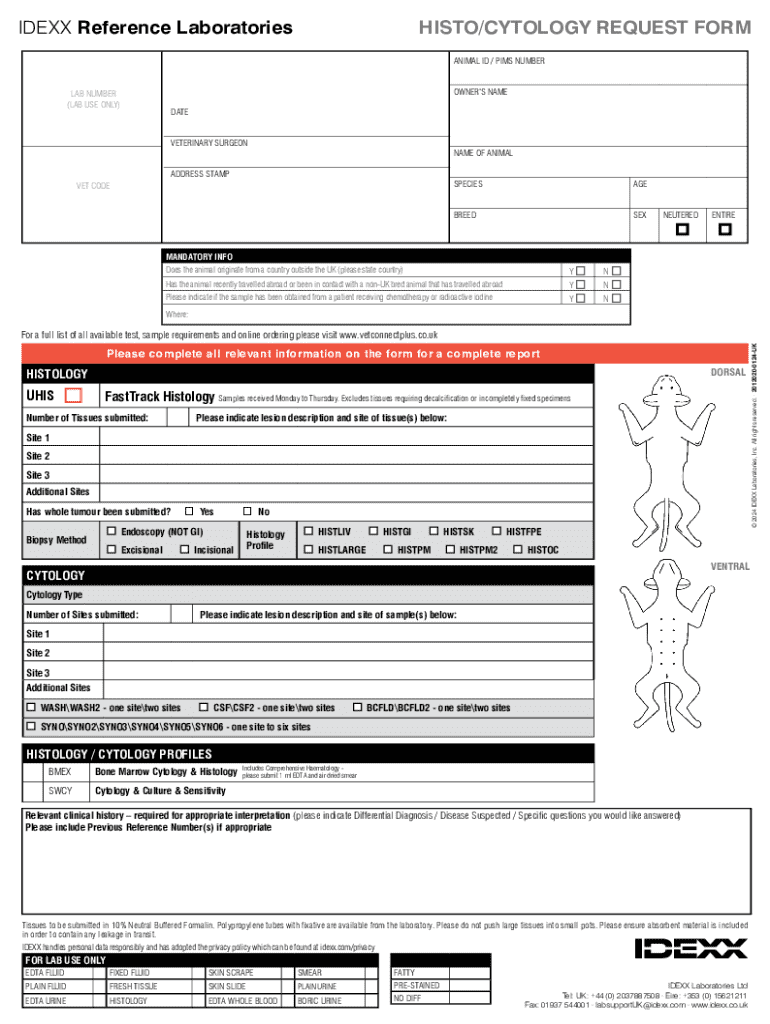
The term "form online" refers to digital documents that users can complete on the internet. These forms are typically available on various platforms, including DocHub, where they can be edited, filled out, signed, and submitted electronically. Online forms are commonly used for applications, registrations, surveys, legal agreements, and other administrative processes. They offer convenience and efficiency, enabling users to complete the necessary tasks without needing a paper-based system.
How to Use the Form Online
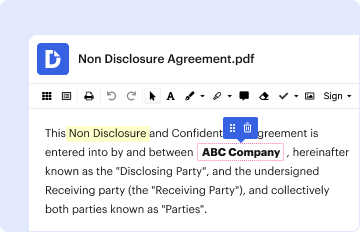
Using forms online involves a few straightforward steps. First, locate the necessary document on a platform like DocHub, which allows for seamless interaction with various file types, such as PDF, DOC, and XLS. Once the form is opened, you can add text, checkboxes, or other required elements. Platforms like DocHub often include intuitive editing tools, making it easy for users to input information correctly. Finally, ensure all sections are filled accurately before submitting or saving the form.
Steps to Complete the Form Online
-
Access the Platform: Log into the platform hosting the form, such as DocHub, and locate the required document.
-
Import or Open the Form: Either import the document from cloud storage or open it directly from the platform if it's a native form.
-
Fill Out Necessary Fields: Use the editing features to complete the form, ensuring all required fields, such as text boxes and checkboxes, are filled out.
-
Edit and Annotate: If needed, add annotations, comments, or additional text to clarify or expand on specific sections.
-
Review and Confirm Accuracy: Double-check all entered information for completeness and accuracy before finalizing.
-
Save and Submit: Save the completed form to your device or cloud storage, then submit it electronically if required.
Why Should You Form Online
Filling out forms online provides numerous advantages. Primarily, it saves time and reduces the need for physical paper, promoting environmental sustainability. Online forms are often easier to process and organize, reducing administrative burdens for both users and recipients. Additionally, they offer flexibility, as they can be accessed and completed from any device with internet connectivity, allowing users to accomplish tasks remotely and efficiently.
Key Elements of the Form Online
When interacting with an online form, key elements to consider include:
- Text Fields: Allow users to input information such as names, addresses, and other data.
- Checkboxes: Provide options for users to select multiple or single-choice answers.
- Dropdown Menus: Facilitate quick selection from a list of predefined options.
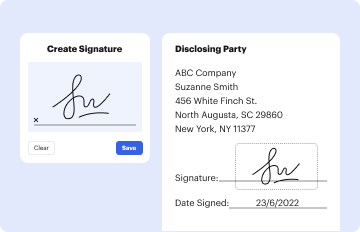
- Signature Fields: Enable electronic signing to validate and authenticate the form.
These elements are crucial as they facilitate accurate data entry and ensure the form's comprehensiveness.
Legal Use of the Form Online
Online forms must comply with legal standards to be considered valid and binding. For example, electronic signatures are governed by the ESIGN Act, which ensures they hold the same legal status as handwritten signatures. Platforms like DocHub incorporate these legal requirements, providing advanced authentication methods and secure data handling to ensure compliance with regulations.
Important Terms Related to Form Online
Several key terms are associated with using forms online, including:
- Authentication: The process of verifying the identity of a user or document.
- Encryption: Technology used to protect sensitive information during transmission.
- Interactive Fields: Elements that users can engage with to provide data or information.
- Compliance: Adherence to legal and regulatory standards in digital form processing.
Understanding these terms can enhance users' ability to utilize online forms effectively and securely.
State-Specific Rules for the Form Online
Certain forms may be subject to state-specific regulations. For example, legal documents like power of attorney forms might require specific language or notarization only recognized within that state. Platforms accommodating online forms, such as DocHub, typically provide resources or guidance to help users apply the correct state-specific rules to their documents, ensuring proper compliance and validity across different jurisdictions.
Form Submission Methods (Online / Mail / In-Person)
Online forms, while primarily intended for electronic submission, can often be converted for other methods:
- Online: The most common and efficient method, allowing for direct electronic submission through platforms like DocHub.
- Mail: Forms can be downloaded and printed for physical mailing if an online submission is not possible.
- In-Person: Some processes may still require personal delivery, particularly where originals or physical verification is necessary.
Knowing the available submission methods helps in selecting the most appropriate method based on the situation and requirements.