





Definition & Meaning of Online Forms
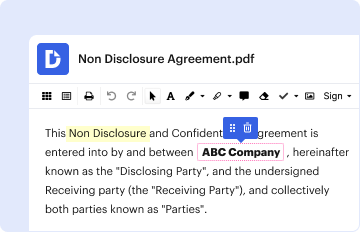
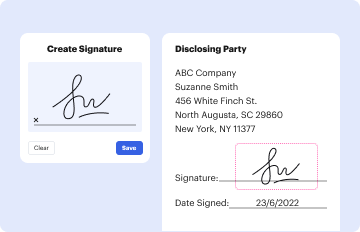
Online forms are digital versions of paper forms that allow users to input and submit data electronically. They facilitate a wide range of applications, from simple surveys to complex legal documents. By eliminating the need for physical paperwork, online forms streamline processes across educational, governmental, and business sectors. They often include features such as text boxes, drop-down menus, and electronic signature fields, allowing for a seamless user experience. The transition to online forms replaces manual entry with automated systems, reducing errors and speeding up data collection and processing.
How to Use Forms Online
Using forms online involves a series of intuitive steps, designed for efficiency and user-friendliness. Here’s how to navigate the process effectively:
- Access the form: Most online forms are available on websites or can be shared via email or cloud links.
- Fill in the required fields: These fields are typically marked with an asterisk (*) or highlighted. Ensure all necessary information is accurately entered.
- Review and edit: Before submission, review the completed form for any potential errors or omissions.
- Submit electronically: Once the form is complete, click the submit button. Confirmation of submission is often provided via email.
Some platforms, like DocHub, offer cloud integration, allowing you to access and save your forms from services like Google Drive or Dropbox, enhancing flexibility and security.
Steps to Complete Forms Online
Completing forms online can be straightforward if broken down into manageable steps:
- Prepare your information: Gather all necessary documents and data needed to fill out the form.
- Connect to a reliable network: Ensure you have a stable internet connection to avoid issues during submission.
- Access the form: Open the form by clicking on the provided link or navigating through the website where it's hosted.
- Enter your details: Carefully fill in each section, ensuring accuracy, especially in fields that require personal or legal information.
- Add attachments: If the form requires additional documents, ensure they are in the correct format and uploaded successfully.
- Review your entries: Double-check all inputs for accuracy before submission.
- Submit the form: Once satisfied with your inputs, submit the form and save any confirmation receipt.
Key Elements of Online Forms
Understanding the key elements of online forms is crucial to effectively using them:
- User Interface: A clean and intuitive interface ensures users can complete forms efficiently.
- Responsive Design: The form should adapt to different screen sizes, allowing access from mobile and desktop devices.
- Security Features: SSL encryption and OAuth 2.0 are essential for protecting sensitive data.
- Interactive Fields: Including text boxes, dropdown menus, checkboxes, and signature fields to guide user input.
- Validation Rules: Built-in checks to ensure data is entered correctly before submission.
These elements work together to create an efficient and user-friendly experience.
Legal Use of Online Forms
Online forms must comply with legal standards to ensure they are recognized in official capacities. This includes:
- Electronic Signature Laws: Governed by the ESIGN Act in the U.S., which makes electronic signatures as legally valid as handwritten ones.
- Data Protection: Adhering to regulations such as GDPR or CCPA for user data protection and privacy.
- Compliance with Industry Standards: Meeting specific industry requirements, such as HIPAA for health-related forms.
Adhering to these legalities ensures the form's data handling and signature validity are upheld in legal contexts.
Who Typically Uses Online Forms
A diverse range of users benefit from online forms, including:
- Educational Institutions: For applications, surveys, and administrative documents.
- Businesses: To process employee information, contracts, and client onboarding forms.
- Governments: For citizen services, tax filing, and permit applications.
- Non-Profit Organizations: To gather donations, event registrations, and volunteer applications.
Each of these sectors relies on the streamlined process that online forms provide, highlighting their versatility and importance.
Examples of Using Forms Online
Online forms find applications in numerous real-world scenarios:
- Healthcare: Patient intake forms are used to collect health history and personal information before appointments.
- Real Estate: Lease agreements and mortgage applications can be completed and signed online.
- Retail: Customer feedback forms are utilized to gather insights on shopping experiences.
- Finance: Loan applications and consent forms for services can be efficiently managed online.
These examples showcase how online forms simplify complex processes across various industries.
Software Compatibility
Ensuring software compatibility is critical when using online forms:
- Cloud-Based Services: Many platforms integrate seamlessly with cloud storage like Google Drive, allowing direct import/export of forms.
- Data Management Tools: Compatibility with tools like Microsoft Excel or Google Sheets to analyze form data.
- Form-Specific Software: Certain forms may require specific applications like TurboTax for tax-related documents or project management tools like Asana for collaborative forms.
Compatibility ensures users can work across different systems without functional disruptions.