







Definition & Meaning of DMV Forms for Older Drivers
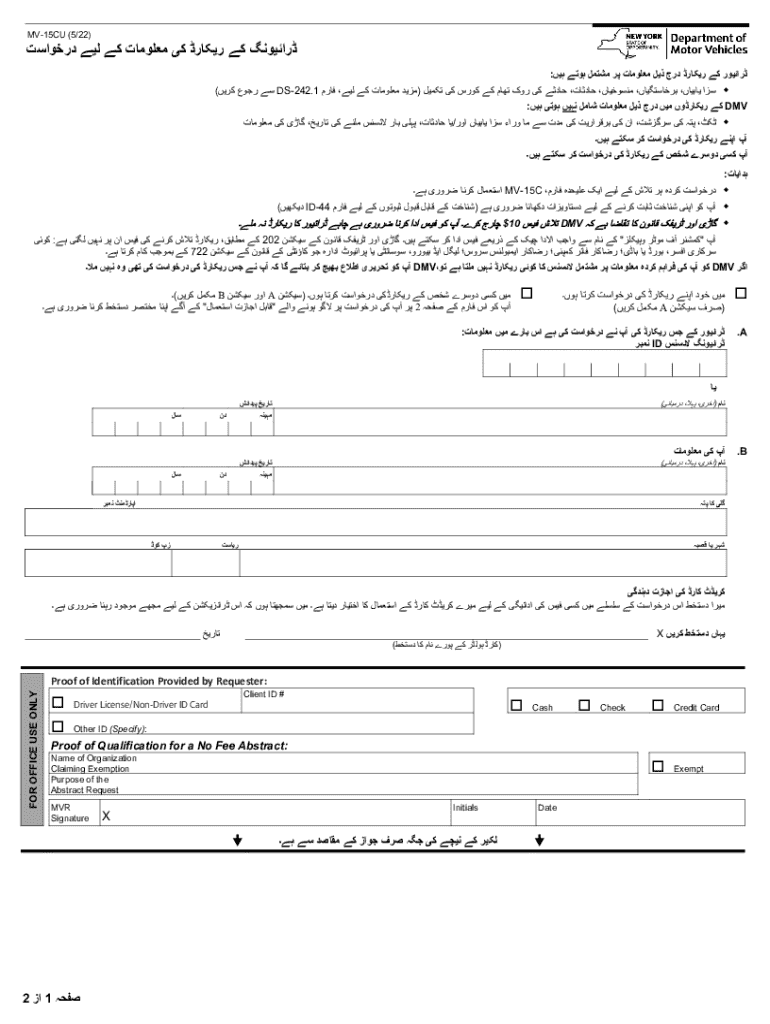
DMV forms and publications for older drivers are specific documents provided by the New York DMV designed to address the unique needs and concerns of senior drivers. These forms ensure older individuals maintain safe driving habits and remain compliant with state regulations. The forms cover various aspects like license renewal, medical conditions affecting driving, vision tests, and more. Each document serves as a guide for older drivers to navigate the legal requirements of driving in New York, catering to their specific needs.
How to Use DMV Forms for Older Drivers
To utilize DMV forms effectively, older drivers should follow a set of organized steps:
- Identify the Required Form: Determine what specific DMV form you need based on your requirement, such as renewal or medical conditions.
- Access the Form: Obtain the form online from the New York DMV website or in person at a local DMV office.
- Review the Instructions: Carefully read through the instructions provided with the form to understand the necessary details and documentation required.
- Fill Out the Form: Complete the form accurately, ensuring all necessary sections are filled in.
- Submit the Form: Depending on the form, submit it online, by mail, or in person at a DMV office.
Steps to Complete DMV Forms for Older Drivers
Completing the forms involves several detailed steps:
- Gather Necessary Information: Before starting, collect all pertinent information such as personal identification, medical records, and prior driving history.
- Fill in Personal Details: Enter your personal data accurately, including full name, address, and contact information.
- Address Medical Inquiries: If the form includes sections on medical conditions, ensure they are filled out in consultation with your healthcare provider.
- Provide Additional Documents: Attach any required documentation, such as medical certificates or vision test results.
- Review and Confirm: Double-check all entries for accuracy and completeness to avoid delays.
Who Typically Uses DMV Forms for Older Drivers
Older individuals, typically aged 65 and above, who continue to drive in New York, are the primary users of these DMV forms. This demographic often requires renewal forms, medical verification documents, and publications on safe driving practices. Additionally, family members or caregivers may assist seniors in managing these forms to ensure compliance with DMV requirements and to facilitate safe driving.
Key Elements of DMV Forms and Publications
The key elements of DMV forms for older drivers include:
- Medical Condition Disclosure: Sections that enquire about health issues that could impair driving ability.
- Vision Requirements: Information and forms related to vision tests that must be passed for license renewal.
- Renewal Forms: Specific forms needed for the renewal of the driver's license, with instructions for in-person or mail submission.
- Educational Publications: Booklets and guides providing safety tips and regulatory updates for senior drivers.
State-Specific Rules for DMV Forms
New York has particular regulations for older drivers regarding license renewal that may include:
- Mandatory Vision Tests: Seniors need to pass vision tests more frequently.
- Shorter Renewal Intervals: Older drivers might have shorter periods between license renewals compared to younger drivers.
- Medical Assessments: Seniors may need to submit medical examinations more often to assess their fitness to drive.
Form Submission Methods
Older drivers have multiple methods for submitting DMV forms:
- Online Submission: Some forms can be completed and submitted through the New York DMV's online portal.
- Mail Submission: Certain forms and associated documents can be mailed directly to the DMV office.
- In-Person Submission: Many older drivers prefer submitting forms at DMV offices, where they can receive personal assistance and immediate feedback.
Required Documents for DMV Forms
To complete DMV forms, older drivers typically need to provide:
- Proof of Identity: Documents like a passport or birth certificate.
- Residency Proof: A utility bill or lease agreement.
- Medical Certificates: If required, providing evidence of medical evaluations.
- Vision Test Results: Documentation from an optometrist confirming the completion of a vision test, if applicable.
Legal Use of DMV Forms and Publications
The legal use of these forms ensures:
- Compliant Driving: Older drivers remain in adherence with state laws to maintain their driving privileges.
- Safety Assurance: By following the prescribed guidelines, senior drivers contribute to public safety on the roads.
- Verification Processes: Legal verification of medical and vision capabilities through structured processes provided by the forms.




