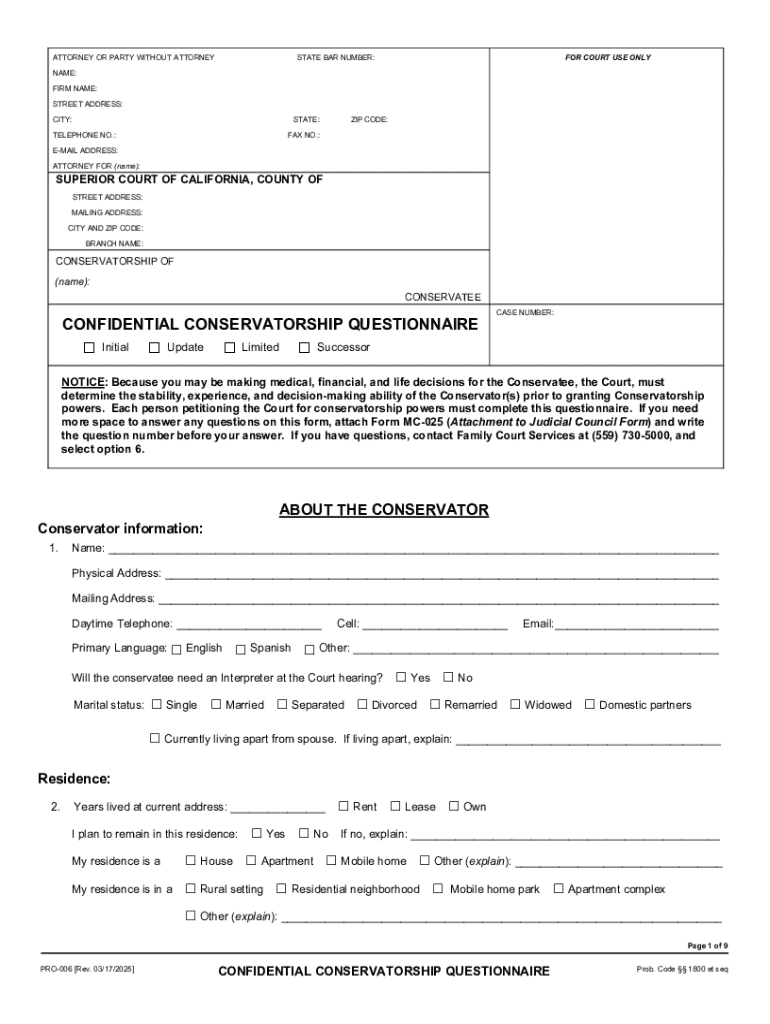







Definition and Purpose of the Confidential Supplemental Information
The "Confidential Supplemental Information" form is a critical document used in various legal and administrative contexts. It serves to capture sensitive data that requires heightened security and privacy protections. This form may be associated with legal proceedings, tax filings, or organizational compliance requirements, depending on its application. It ensures that vital, private information is securely collected and handled only by authorized individuals or entities. Examples of the type of information it might collect include financial details, personal identification data, or proprietary business information.
Steps to Complete the Confidential Supplemental Information
Completing the "Confidential Supplemental Information" form requires meticulous attention to detail to ensure accuracy and confidentiality. Here is a step-by-step process for filling out the form:
-
Read the Instructions: Start by carefully reading the instructions provided with the form to understand its specific requirements and the type of information needed.
-
Gather Required Documents: Collect all necessary documents and information that the form requires. This typically includes financial records, personal identification, or any other specified details relevant to the form's purpose.
-
Enter Personal Details: Fill in your personal information, such as name, address, and contact number, ensuring accuracy and completeness.
-
Provide Requested Data: Input the specific sensitive information the form requests. Double-check entries to confirm their precision.
-
Review for Accuracy: Once filled, carefully review the form for any errors or omissions. Ensure that all required fields are completed and that the information is correct.
-
Sign and Date: If required, sign and date the form to authenticate its contents.
-
Submit Securely: Follow the specified submission instructions to ensure that the form is delivered securely, protecting the confidentiality of the information contained.
Key Elements of the Confidential Supplemental Information
The "Confidential Supplemental Information" form typically includes several critical elements, each essential for its integrity and purpose:
- Personal Identification: Fields for name, address, social security number, or other identification numbers.
- Sensitive Data: Sections designated for confidential financial information, business specifics, or other proprietary details.
- Documentation Requirements: Lists or references to supplementary documents that must accompany the form.
- Consent and Acknowledgment: Clauses for consent to use the data or acknowledgment of the form’s terms and conditions.
- Submission Details: Instructions on how to securely submit the form, catering to both digital and paper-based submissions.
Legal Use and Compliance
The form's legal use requires ensuring compliance with relevant regulations and laws governing privacy and data protection. Confidentiality is paramount when handling this form, necessitating adherence to protocols like:
- Data Protection Laws: Compliance with federal and state data protection regulations (e.g., HIPAA, GDPR) to safeguard personal information.
- Confidentiality Agreements: Where applicable, signing confidentiality agreements to ensure that all parties handling the form uphold its privacy requirements.
- Secure Storage and Handling: Employing secure methods for storing and accessing the form, such as encrypted digital storage or locked physical files.
Who Typically Uses the Confidential Supplemental Information
The form is utilized by a range of individuals and organizations, often including:
- Legal Professionals: Lawyers and court officials involved in cases requiring sensitive data disclosures.
- Tax Authorities: Government tax agencies collecting financial details for audit or compliance checks.
- Corporations and Businesses: Companies processing sensitive internal data or facilitating contractual agreements.
- Individuals: In personal instances, such as estate planning or financial transactions, where confidentiality is crucial.


Software Compatibility
For those utilizing technology solutions, the "Confidential Supplemental Information" form may be compatible with software programs like:
- Document Management Systems: Platforms that offer secure storage and handling of confidential documents.
- Financial Software: Applications such as QuickBooks or TurboTax, which may facilitate part of the data input or processing if related to financial details.
- Legal Practice Software: Tools designed for law office use, providing secure management and filing of legal forms.
Penalties for Non-Compliance
Failure to properly complete or secure the "Confidential Supplemental Information" form can lead to various penalties, including:
- Legal Consequences: Fines or legal action may be levied for breaches of confidentiality or incorrect information submissions.
- Reputational Damage: Organizations may suffer reputational harm if sensitive data is mishandled or disclosed inappropriately.
- Operational Setbacks: Non-compliance can result in delays or additional scrutiny from authorities, impacting business operations or legal proceedings.
State-Specific Variations
Variations may exist based on state-specific regulations or usages. Certain jurisdictions might require additional information or impose distinct filing requirements. For example:
- California: May have stricter data protection laws, resulting in additional compliance responsibilities.
- New York: Could demand specific state-tailored forms to accompany the primary document.
- Texas: Might have unique filing deadlines that supersede general federal timelines.
Understanding these nuanced state-specific differences ensures diligent compliance and facilitates a smooth processing experience.