






Definition & Meaning
The Department of the Air Force (AF) is one of the three military departments within the Department of Defense (DoD) of the United States. It is responsible for the United States Air Force and the United States Space Force. The Air Force aims to ensure national security through air and space supremacy and global vigilance. Created in 1947 under the National Security Act, the department has evolved since its inception to include the Space Force, reflecting its broader remit in recent times.
The Department of the Air Force is integral to maintaining and developing the aviation and space capabilities that support both military and peace-time activities. By fostering innovation through programs like the Small Business Innovation Research (SBIR), it encourages technological advancements that serve critical defense functions.
Key Elements of the Department of the Air Force (AF)
-
U.S. Air Force: The primary responsibilities include air superiority, strategic bombing, intelligence gathering, and transport. The Air Force plays a significant role in global military operations.
-
U.S. Space Force: Established as an independent service within the Department of the Air Force, it focuses on space operations, cybersecurity, and satellite communications vital for modern warfare and infrastructure.
-
Innovation Programs: Through initiatives like the SBIR program, the department supports innovative business solutions that enhance military capabilities and technologies.
-
Infrastructure and Bases: The department oversees numerous bases and infrastructure worldwide to maintain readiness and deploy forces as needed.
How to Use the Department of the Air Force (AF)
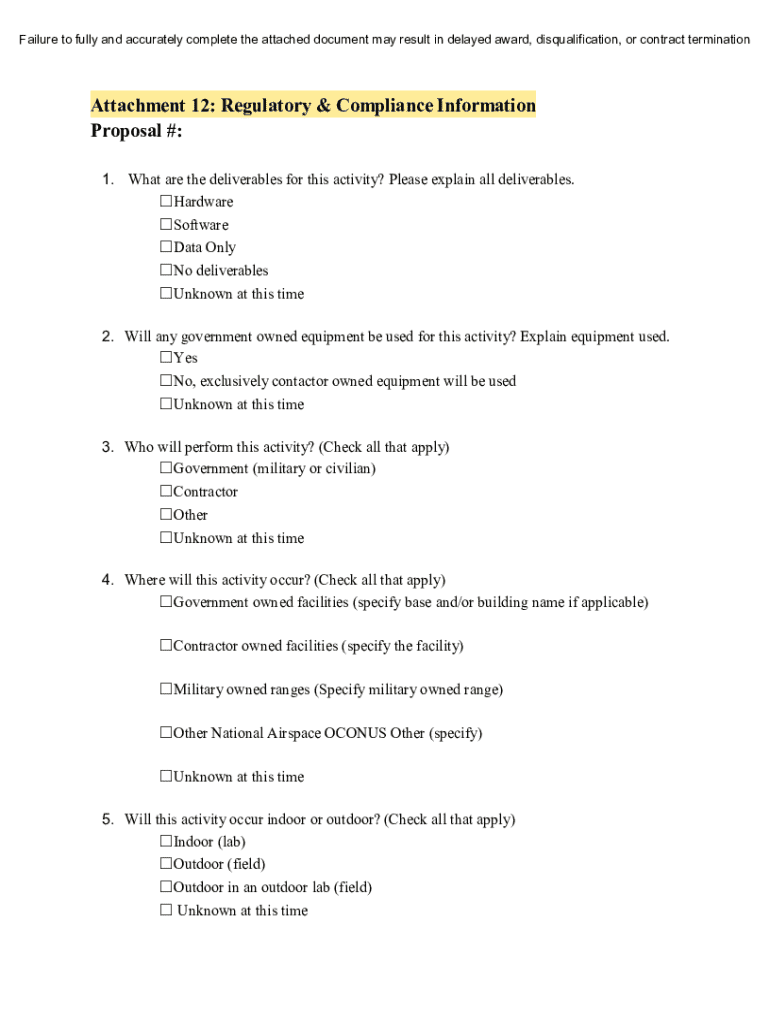
To utilize the resources and programs offered by the Department of the Air Force, one must identify the specific need or program relevant to their context. For individuals or businesses aiming to engage in defense contracts or technological innovation, the SBIR program offers opportunities for collaboration and funding. Participation in such programs typically requires navigating proposal submissions, which entails understanding detailed guidelines provided by the department.
Military personnel use the department’s resources for training, assignments, and development, which are essential for fostering a well-prepared and strategic force. Non-military personnel might engage with educational or informational aspects delivered through public resources or partnership programs.
Steps to Complete the Department of the Air Force (AF) Processes
-
Identify Relevant Programs: Determine which programs align with your goals, whether it’s contract bidding, innovation partnerships, or educational initiatives.
-
Review Application Guidelines: Read through the detailed requirements and guidelines provided by the department for the selected program. Ensure compliance with all stated protocols.
-
Prepare Documentation: Gather necessary documents, which may include business plans, financial statements, or technical specifications, depending on the program.
-
Submission: Submit your application through the appropriate channels, whether online or via mail, ensuring all components are complete and within deadlines.
-
Follow-Up: After submission, track the progress of your application, addressing any requests for additional information swiftly.
Legal Use of the Department of the Air Force (AF)
Engagement with the Department of the Air Force must comply with legal frameworks, including adherence to national security regulations and operational standards. Contractual work, for instance, requires stringent compliance checks and clearances, particularly in relation to sensitive technologies and information.
Businesses and individuals must also observe intellectual property rules and export controls, ensuring that involvement with the department does not contravene existing laws and international standards. Legal frameworks ensure that all engagements uphold the integrity and security of the nation’s defense operations.
Important Terms Related to the Department of the Air Force (AF)
-
Air Superiority: Control of the skies, vital for facilitating military operations and reducing threats from adversaries.
-
Global Vigilance: Constant monitoring and readiness to respond to threats anywhere in the world.
-
Space Operations: Mission areas involving satellite management, space-based navigation, and communication systems.
-
Innovation Research: Development initiatives aimed at advancing technology for use within the Air Force and Space Force.
-
Strategic Deployment: The ability to position forces quickly globally to support national security objectives.
Examples of Using the Department of the Air Force (AF)
-
Commercial Innovations: A small business successfully secures SBIR funding to develop advanced communication systems for fighter jets.
-
Space Collaboration: A technology company partners with the Space Force to enhance satellite resilience against cyber threats.
-
Community Engagement: Programs aimed at increasing awareness and interest in aerospace careers among students and educators through the Civil Air Patrol and STEM outreach initiatives.
Who Typically Uses the Department of the Air Force (AF)
-
Service Members: Personnel enlisted or commissioned in the Air Force and Space Force utilize department resources for career progression and assignments.
-
Government Contractors: Companies specializing in defense technologies often engage with the department for contracts and innovation projects.
-
Researchers and Innovators: Academia and private research bodies looking to advance aerospace and defense technologies.
-
Policy Makers: Government officials and legislators involved in defense policy and budget allocations.