







Definition & Meaning
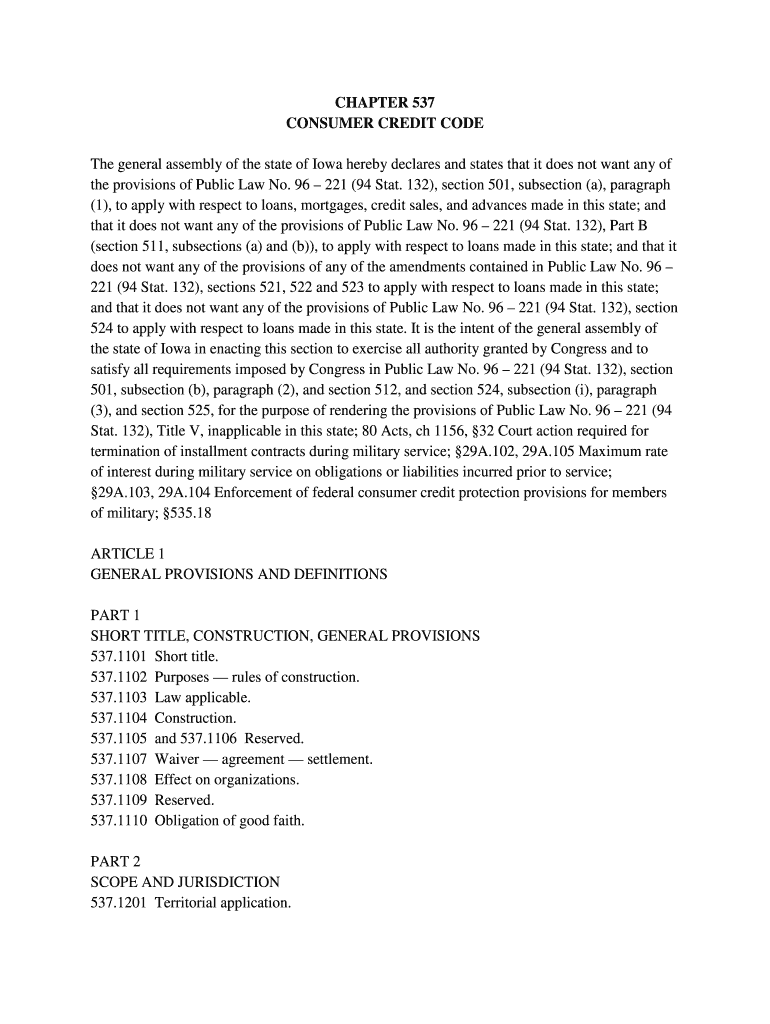
The phrase "The general assembly of the state of Iowa hereby declares and states that it does not want any of" typically functions as a formal proclamation or legal directive issued by the Iowa General Assembly. It indicates the legislative body's stance or decision on a specific matter, often involving the adoption, rejection, or exemption of certain rules or regulations. This declaration highlights the state's intent to either halt the implementation of federal provisions within Iowa or articulate the state's legislative position on particular issues, thus providing clarity and direction for stakeholders.
Contextual Examples
-
Legal Exemptions: The assembly might use this language to exempt Iowa from federal regulations that do not align with state priorities or interests.
-
Policy Directives: It may announce a new policy or shift in existing legislation, reflecting the assembly's responsiveness to evolving socio-economic or political landscapes.
Steps to Complete the Form
Completing forms related to the declaration involves several steps to ensure compliance with state regulations and accurate representation of the assembly's intent:
-
Identify Relevant Legislation: Begin by determining which laws or regulations the Iowa General Assembly's declaration pertains to, focusing on the areas affected by the decision.
-
Gather Required Information: Collect all necessary data and documents that might be affected or required by the change in legislation, ensuring they meet the state's compliance standards.
-
Interpret the Declaration: Analyze the specific instructions or requirements stated in the document to understand its implications fully.
-
Seek Legal Counsel: Consult with a legal expert if there are complexities or ambiguities in the document that require professional interpretation.
-
Submit Compliance Documentation: If applicable, prepare and submit any documentation to state agencies confirming adherence to the new directive.
Practical Scenarios
-
Consumer Protection: Businesses may need to adapt practices to comply with new consumer protection standards articulated by the assembly.
-
Environmental Regulations: Enterprises involved in environmental management might be required to adjust operations in line with newly declared state stances.
Important Terms Related to the Declaration
Understanding key terminology is crucial for correctly interpreting and applying the declaration issued by the Iowa General Assembly:
-
Legislation: Refers to laws enacted by the state's legislative body.
-
Exemption: Denotes the removal of certain obligations typically mandated by broader federal regulations.
-
Compliance: The act of adhering to or following the stated legislative directives.
Key Definitions
-
Directive: A formal statement that provides authoritative guidance or instruction.
-
Proclamation: An official announcement regarding governmental structures or decisions.
Legal Use of the Declaration
The declaration's legal applications are significant and dictate how legislative changes are communicated and enforced across various sectors in Iowa:
Legal Grounds
-
Authority: The Iowa General Assembly possesses the legal authority to issue such declarations due to its legislative powers vested by the state constitution.
-
Enforcement: Once declared, compliance becomes mandatory for all applicable parties, with state agencies overseeing its implementation.
Examples
-
Regulation Revision: May lead to changes in regulatory compliances for statewide businesses, requiring them to update operational guidelines.
-
Policy Reformation: Catalyzes amendments in policies that govern civic or administrative processes.
State-Specific Rules for the Declaration
Iowa follows a unique set of rules for adopting and implementing such declarations, distinct from those in other states:
Procedures
-
Approval Process: Declarations typically require majority approval by both legislative houses within the general assembly.
-
Public Notification: The state mandates public dissemination of the declaration's content to ensure transparency and informed citizenry.
Compliance Checks
- Monitoring: State agencies are tasked with ensuring that all affected parties comply with the new declaration, often involving audits or reviews.
Examples of Using the Declaration
The pragmatic use of the declaration spans various domains, providing a framework for decision-making and issue resolution:
Sectoral Impacts
-
Education: Implementing changes in educational curriculum or funding based on state-level priorities.
-
Healthcare: Modifying healthcare regulations to better align with state-specific health objectives.
-
Agriculture: Adjustments in agricultural policies to foster economic stability and environmental sustainability.
Real-World Applications
- Consumer Affairs: The declaration might redefine consumer rights within the state, impacting business operations and consumer interactions.
Form Variants and Alternatives
While this specific form of declaration may not have direct variations, alternative legislative documents can serve similar functions:
Types of Alternatives
-
Executive Orders: Issued by the governor to address immediate state needs without legislative approval.
-
Resolutions: Non-binding statements that express the general assembly's opinion on various issues.
Considerations
-
Document Format: These alternatives might differ in structure and enforceability but serve to guide state policy decisions.
-
Practicality: Consider which document format best suits the legislative or administrative context in which it is applied.




