






Understanding the Claim Submission Process
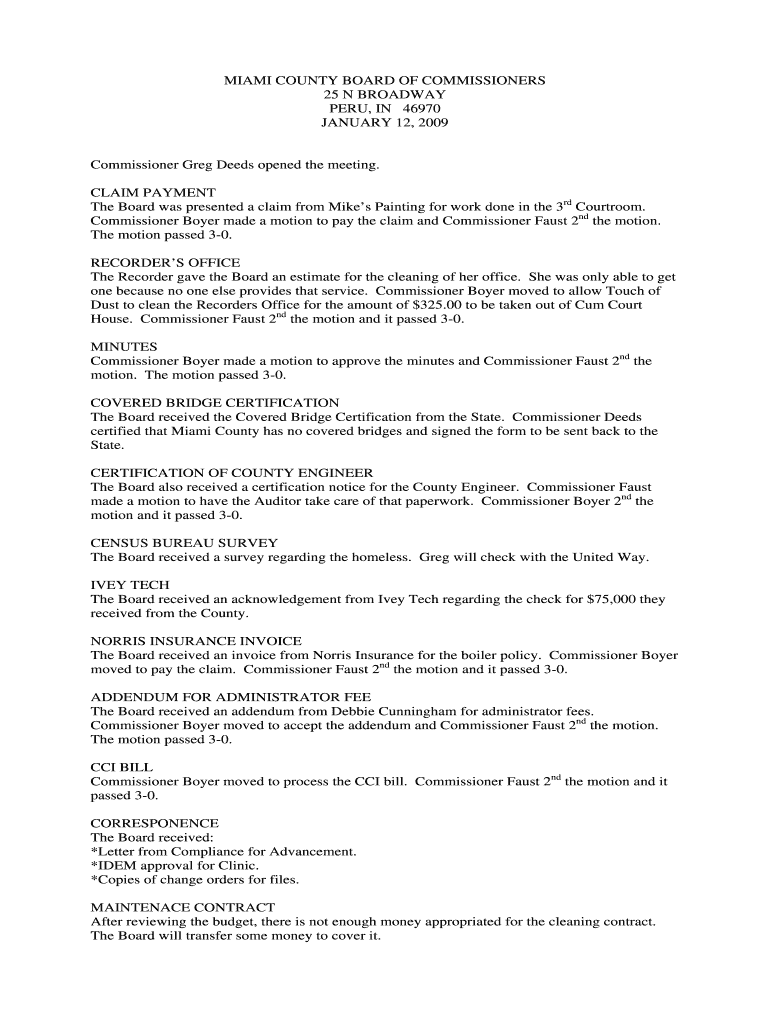
Submitting a claim, like the one from Mike's Painting for work done in the 3rd Courtroom, involves presenting detailed documentation to the relevant board or committee. This process typically requires a comprehensive explanation of services rendered, including timelines and expenses incurred. Proper documentation ensures transparency and helps facilitate a smoother approval process.
- Documentation Requirements
- Invoices detailing labor costs and materials.
- A summary of the services provided.
- Any initial agreements or contracts.
These documents help verify the authenticity and accuracy of the work claimed.
Key Elements of a Claim
When preparing a claim such as "The Board was presented a claim from Mike's Painting for work done in the 3rd Courtroom," certain elements should be included to ensure completeness and clarity.
Essential Components
-
Claimant Information
- Name of the company or individual.
- Contact details and tax identification.
-
Scope of Work
- Detailed description of the work done.
- Specifics of the 3rd Courtroom project, including start and end dates.
-
Financial Summary
- Breakdown of charges, including labor and materials.
- Total amount requested for payment.
These elements provide a structured overview necessary for the board's review.
Steps to Complete the Claim Form
Completing a claim form accurately ensures a seamless submission process. Follow these structured steps to prepare your form:
-
Gather Necessary Documents
- Collect all relevant invoices, contracts, and correspondence related to the project.
-
Fill Out the Form
- Enter all relevant details in the designated sections of the form clearly and concisely.
-
Review for Accuracy
- Double-check all entries to prevent errors that could delay processing.
-
Submit the Claim
- Submit the completed form and all supporting documents to the governing board following their preferred submission method, whether by mail, email, or in person.
Legal Use and Compliance
Compliance is critical when submitting a claim for work done, such as painting services in a courtroom.
Legal Considerations
-
Contractual Obligations
- Ensure all terms agreed upon at the start of the project are fulfilled.
-
Documentation Legalities
- Confirm that all documentation, such as contracts and invoices, meet legal standards.
Non-compliance can lead to disputes or delays in receiving payment.
Who Typically Uses the Form
This type of form is generally used by companies or contractors who have completed work for a governmental or public entity. Businesses like Mike's Painting utilize forms like these to formally request payment for services rendered.


Common Users
-
Contractors
- Particularly those in construction, maintenance, or renovation services.
-
Public Institutions
- Entities that require formalized agreements for work carried out in their facilities.

State-Specific Rules
Different states may have unique requirements for presenting a claim like the one from Mike's Painting. Understanding these differences ensures compliance and expedites the approval process.
Variations by State
-
Submission Processes
- Some states might have online submission systems, while others may require physical copies.
-
Documentation Requirements
- Variances in the documentation needed, such as additional permits or certifications, might exist across states.
Digital vs. Paper Submission Methods
When submitting claims, both digital and paper methods may be available, each with its own set of advantages.
Digital Submission
-
Efficiency
- Faster processing times due to electronic handling.
-
Convenience
- Ability to track submission status online.
Paper Submission
- Traditional Method
- Often requires physical delivery to a designated office or board.
Understanding the benefits and limitations of each method can help you choose the best option for your claim.
Required Documents for Claim Approval
Ensuring you have all the necessary documents before submission can prevent delays in the approval process.
Necessary Documentation
-
Detailed Invoice
- Outlining all costs associated with the project.
-
Contractual Agreement
- Original signed contract outlining the agreed-upon terms.
Providing thorough and accurate documents is crucial to receiving timely approval from the board.