






Definition and Meaning of Fire Alarm Requirements in NEC
The NEC, or National Electrical Code, outlines the standards for electrical safety, including the installation and use of smoke alarms. These codes are crucial for ensuring the safety and compliance of electrical systems in residential and commercial buildings. Understanding these requirements is essential for builders, electricians, and homeowners to ensure safety and legal compliance.
Key Elements of Fire Alarm Placement and Installation
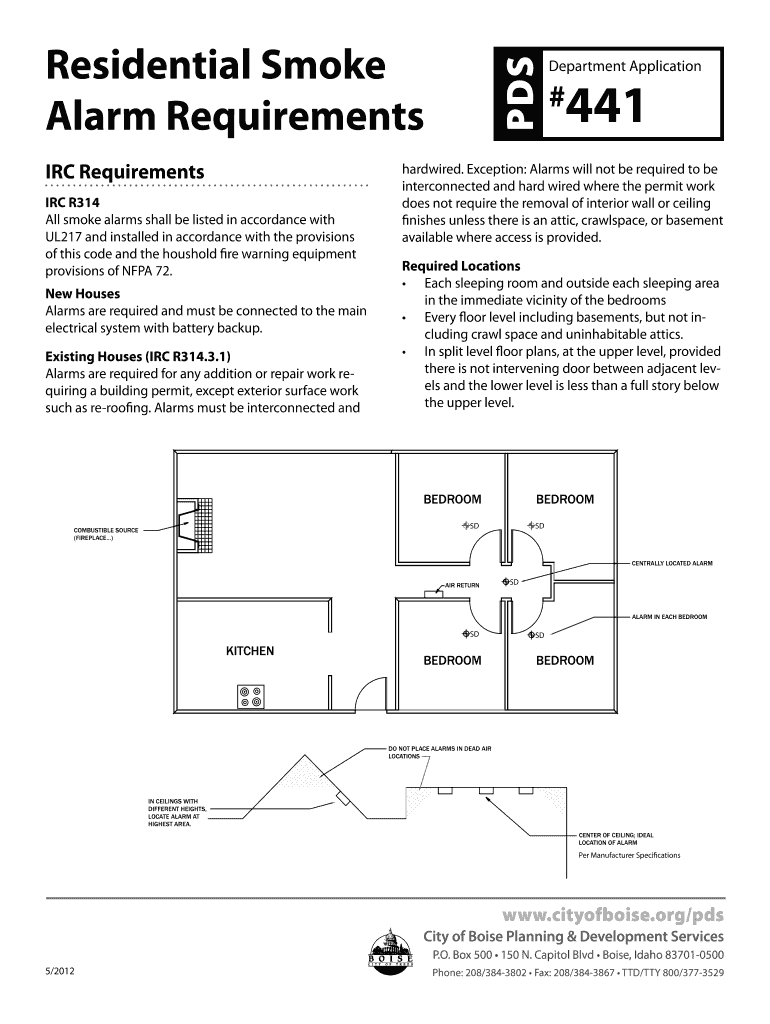
Smoke alarms need to meet specific installation criteria as per the NEC guidelines. They should be placed in sleeping areas, on every level of the home, and in hallways connecting sleeping quarters. The alarms must be hardwired to the building's electrical system and include a battery backup to ensure functionality in the event of a power outage. These requirements help in maximizing the detection of smoke and fire threats within the premises.
Steps to Comply with NEC Smoke Alarm Standards
- Evaluate the Building Layout: Determine all the areas that require smoke detection, including bedrooms and shared spaces.
- Select Approved Equipment: Ensure that all smoke alarms are UL217 listed, which certifies their effectiveness and compliance.
- Plan the Wiring: Integrate smoke alarms into the building's electrical system, ensuring a reliable power source with backup batteries.
- Install Alarms Correctly: Follow NFPA 72 standards to position smoke alarms correctly, avoiding dead air spaces where smoke might not be detected.
- Test Regularly: Conduct routine testing to ensure all alarms are functioning and replace batteries as needed.
Legal Implications of Non-Compliance
Failing to adhere to NEC standards for smoke alarms can result in severe legal repercussions. Non-compliance might lead to fines, penalties, or legal actions, especially in cases where it results in injury or damage due to fire incidents. Ensuring compliance is not only a legal obligation but a critical step in safeguarding lives and property.
Important Terms Related to Smoke Alarms in NEC
- UL217 Listed: Certification that the smoke alarm meets safety standards.
- NFPA 72: National Fire Alarm and Signaling Code that provides guidelines for the installation and maintenance of fire alarm systems.
- Hardwired: Smoke alarms connected directly to the building's electrical system.
- Battery Backup: A secondary power source to ensure alarm functionality during power outages.
State-Specific Smoke Alarm Regulations
State laws may vary, affecting how NEC guidelines are enforced locally. Some states might have additional mandates for smoke alarm placement, types required, or maintenance schedules. Checking specific state requirements is crucial for full compliance and securing proper certification from local authorities.
Examples of Using Smoke Alarms Per NEC Standards
A typical residential setup under NEC guidelines involves installing smoke alarms in each bedroom, outside sleeping areas, and at least one on every story of the home. In multi-story homes, a minimum of one alarm per level, including basements and attics, ensures comprehensive coverage. Following these guidelines reduces the risk of undetected fires, enhancing safety.
Who Typically Uses Smoke Alarm Guidelines
These guidelines are crucial for a wide range of professionals, including contractors, building inspectors, electricians, and fire safety experts. Homeowners also need to be aware of these requirements to ensure their homes are equipped correctly and legally with smoke alarms, ensuring safety and compliance with local codes.
Software Compatibility and Tools for Smoke Alarm Compliance
Several software solutions are available to help manage compliance for NEC smoke alarm standards. Tools like project management software can facilitate scheduling, tracking, and documentation of smoke alarm installations. Applications integrating with smart home technology can also enhance testing and maintenance procedures, ensuring alarms are always operational and updated.