Lawinsider dictionarycauses-of-actionCauses of Action Definition: 3k Samples - Law Insider 2026

Get Form
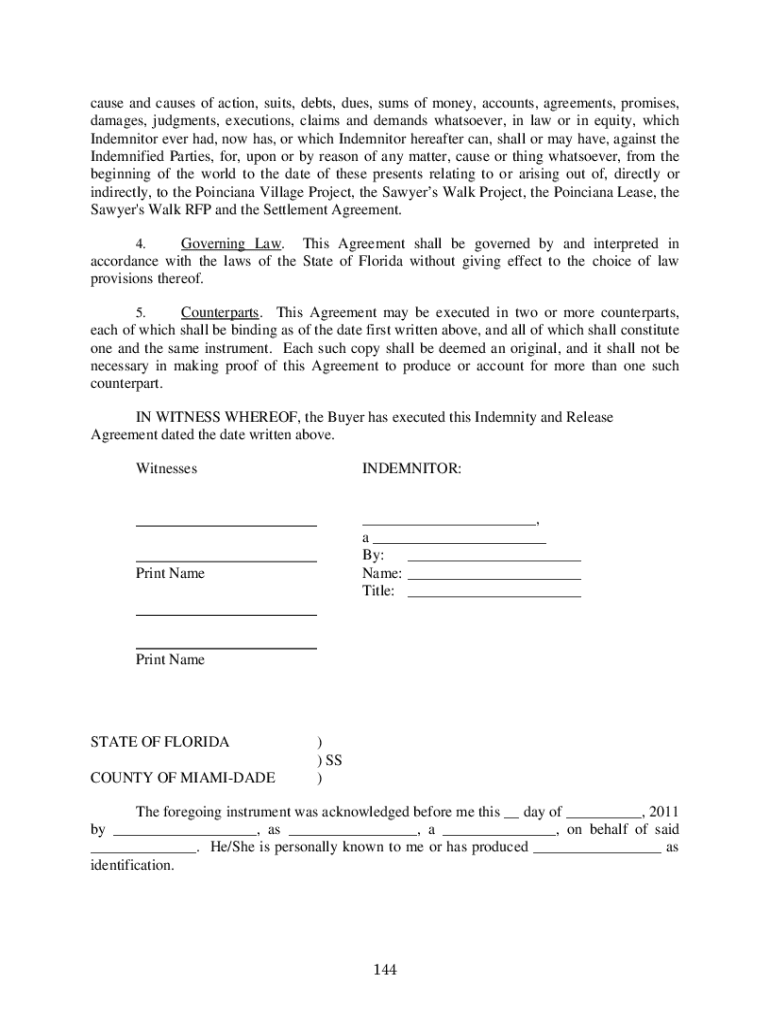
lawinsider dictionarycauses-of-actionCauses of Action Definition: 3k Samples - Law Insider Preview on Page 1

Here's how it works

01. Edit your form online
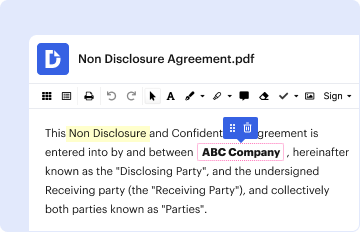
Type text, add images, blackout confidential details, add comments, highlights and more.
02. Sign it in a few clicks
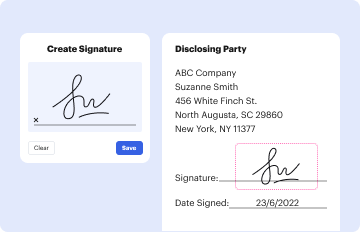
Draw your signature, type it, upload its image, or use your mobile device as a signature pad.
03. Share your form with others
Send it via email, link, or fax. You can also download it, export it or print it out.

How to quickly redact Lawinsider dictionarycauses-of-actionCauses of Action Definition: 3k Samples - Law Insider online

Form edit decoration
9.5
Ease of Setup
DocHub User Ratings on G2
9.0
Ease of Use
DocHub User Ratings on G2

Dochub is the best editor for changing your documents online. Follow this simple guide to redact Lawinsider dictionarycauses-of-actionCauses of Action Definition: 3k Samples - Law Insider in PDF format online free of charge:

  1. Register and log in. Register for a free account, set a strong password, and go through email verification to start working on your forms.
  2. Upload a document. Click on New Document and choose the form importing option: upload Lawinsider dictionarycauses-of-actionCauses of Action Definition: 3k Samples - Law Insider from your device, the cloud, or a secure URL.
  3. Make adjustments to the template. Take advantage of the top and left panel tools to change Lawinsider dictionarycauses-of-actionCauses of Action Definition: 3k Samples - Law Insider. Add and customize text, pictures, and fillable fields, whiteout unneeded details, highlight the important ones, and comment on your updates.
  4. Get your documentation done. Send the form to other individuals via email, generate a link for faster file sharing, export the template to the cloud, or save it on your device in the current version or with Audit Trail included.

Discover all the benefits of our editor right now!

be ready to get more

Complete this form in 5 minutes or less

Get form

Got questions?

We have answers to the most popular questions from our customers. If you can't find an answer to your question, please contact us.
Contact us
Cause of action has been defined by Courts to mean a combination of facts and circumstances giving rise to the right to file a claim in Court for remedy. It includes all those things which are necessary to give a right of action and every material fact which has to be proved to entitle the plaintiff to succeed.
Firstly, there are the established categories of causes of action, such as those in contract, tort or under statute. Youve heard of these: bdocHub of contract, fraudulent misrepresentation, trespass, conspiracy, tort of negligence, passing off, copyright infringement, bdocHub of fiduciary duty, and conversion.
Cause shall mean conduct involving one or more of the following: (i) the substantial and continuing failure of the Employee, after notice thereof, to render services to the Company in accordance with the terms or requirements of his or her employment; (ii) disloyalty, gross negligence, willful misconduct, dishonesty,
1. Cause is an action or event that brings about or contributes to a specific outcome. In legal actions, there are a variety of different variations of cause, for example, but-for cause, proximate cause, cause in fact and intervening cause. Cause is a necessary element in most legal actions.
The Supreme Court has consistently enumerated three essential elements that must concur for a valid cause of action to exist: A Right in favor of the Plaintiff. A Correlative Obligation of the Defendant. An Act or Omission in Violation of the Plaintiffs Right.
be ready to get more

Complete this form in 5 minutes or less

Get form

People also ask

A cause of action is the technical legal name for the set of facts which give rise to a claim enforceable in court. It is a legally recognised wrong that creates the right to sue. Each cause of action consists of points the plaintiff must prove and all of these elements must be satisfied in order to take court action.
There are a number of specific causes of action, including: contract-based actions; statutory causes of action; torts such as assault, battery, invasion of privacy, fraud, slander, negligence, intentional infliction of emotional distress; and suits in equity such as unjust enrichment and quantum meruit.

Related links