
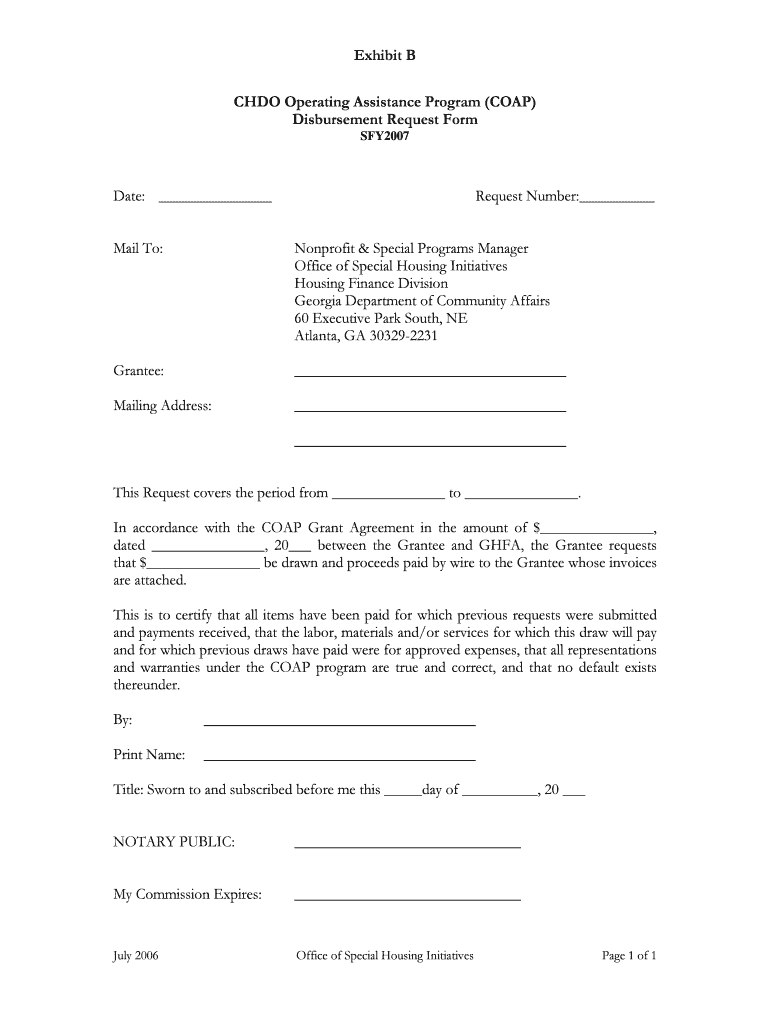







Definition and Meaning of Exhibit B
Exhibit B is typically a component or appendix of a larger document, often used in legal, business, or financial contexts to provide supplementary details or specific terms relevant to the main content. It can elucidate agreements, clarify data, or provide specific schedules or lists pertinent to the overarching document. For example, in a contract setting, Exhibit B might detail specific deliverables, timelines, or responsibilities that are referenced in the body of the contract. The purpose of including such an exhibit is to ensure that all parties have a clear and detailed understanding of certain critical aspects without cluttering the main document with extensive details.
How to Use Exhibit B
To effectively use Exhibit B, it is crucial to start by understanding its relationship with the main document. The exhibit should be read in conjunction with the primary text to grasp its purpose and implications fully. Often, Exhibit B contains detailed data or supplemental clauses that are essential for the complete execution or understanding of the primary document. For instance, when negotiating a service agreement, Exhibit B might outline payment schedules or specific service requirements. One must align the exhibit details with the overall objectives of the main document to ensure consistency and compliance with all stated terms.
- Identify References: Ensure you identify where Exhibit B is referenced in the main document for context.
- Cross-Verification: Check the details in Exhibit B against the main document to confirm consistency.
- Implementation: Use the information or data provided in Exhibit B to fulfill contractual responsibilities or comply with specified requirements.
How to Obtain Exhibit B
Securing a copy of Exhibit B often involves acquiring or accessing the primary document to which it is related. Typically, these are found:
- Through Your Company or Legal Representative: If it’s part of a contract or legal agreement, your company's legal department or external legal counsel should provide it.
- Via Contract Parties: Requesting a copy from the opposite party in a contract, especially if it was sent in digital form.
- From Online Document Repositories: Legal or business document platforms might have templates or samples for consultation.
Understanding how to access Exhibit B ensures that you have authoritative information to guide your decision-making or reference legal obligations accurately.
Steps to Complete Exhibit B
Completing Exhibit B requires attention to detail and a thorough understanding of the requirements specified by the primary contract or agreement. Here’s a typical workflow:
- Review Main Document: Understand the context and requirements associated with Exhibit B.
- Fill Required Sections: Input necessary details such as names, dates, specifications, or quantifiable data depending on what Exhibit B demands.
- Verify Accuracy: Double-check all entered information to prevent errors that could lead to contractual misinterpretations.
- Consult Stakeholders: Coordinate with relevant parties to confirm that all provided information aligns with their understanding.
- Signatures and Initials: Ensure that all required signatures and initials are provided if Exhibit B necessitates authorization or acknowledgment.
Key Elements of the Exhibit B
Commonly, an Exhibit B will contain several key elements that should be understood and examined:
- Specific Terms and Conditions: Details terms or conditions tailored to particular needs that support or clarify the main agreement.
- Supplementary Data: Provides data tables, charts, or schedules not included in the main document.
- Schedules: Lists out dates and deadlines relevant to the tasks or obligations outlined in the primary agreement.
- Clarification Clauses: Sections explaining ambiguous terms or providing additional context to alleviate potential misunderstandings.
Legal Use of the Exhibit B
Exhibit B is frequently used in legal contexts to codify supplementary information or addendums to a contract. Its legal standing is equivalent to the original document once both parties have agreed to it. Important to its legitimacy are:
- Inclusion by Reference: Mention of Exhibit B within the main contract grants it enforceability.
- Compliance and Consistency: It must align with legal standards and not contradict primary contract terms.
- Authorized Execution: Signatures or initials from involved parties are essential for validation.
Important Terms Related to Exhibit B
When dealing with Exhibit B, several critical terms will often be referenced:
- Appendix: Another term for an exhibit, indicating supplementary material added to a document.
- Annex: Similar to an exhibit, used to provide additional insights or resources connected to a primary text.
- Schedule: Often a part of Exhibit B, listing detailed information like timelines or responsibilities.
- Supplement: Content added to enhance or explain the main document's primary points.
Examples of Using Exhibit B
Real-world applications of Exhibit B highlight its utility:
- Contract Agreements: Includes delivery schedules or payment plans as Exhibit B.
- Legal Settlements: Exhibit B might feature lists of assets or terms for disbursement critically tied to the negotiation’s success.
- Business Proposals: Detailed financial forecasts or operational plans can be included as Exhibit B to provide deeper insight.
Each example demonstrates the importance of integrating Exhibit B seamlessly into the primary document to ensure cohesive understanding and execution.
Form Submission Methods for Exhibit B
The submission or implementation of Exhibit B is typically guided by its association with specific forms or agreements. Common submission methods include:
- Electronic Submission: Email or document-sharing platforms for digital exhibits.
- Physical Delivery: For securing hard copies signed and endorsed by parties.
- Integration with Agreements: Often, submission of Exhibit B coincides with the signing or formal approval of the main document it supports.
Using the appropriate submission method ensures all parties retain accurate records and comply with specified protocols.




