




01. Edit your form online
Type text, add images, blackout confidential details, add comments, highlights and more.

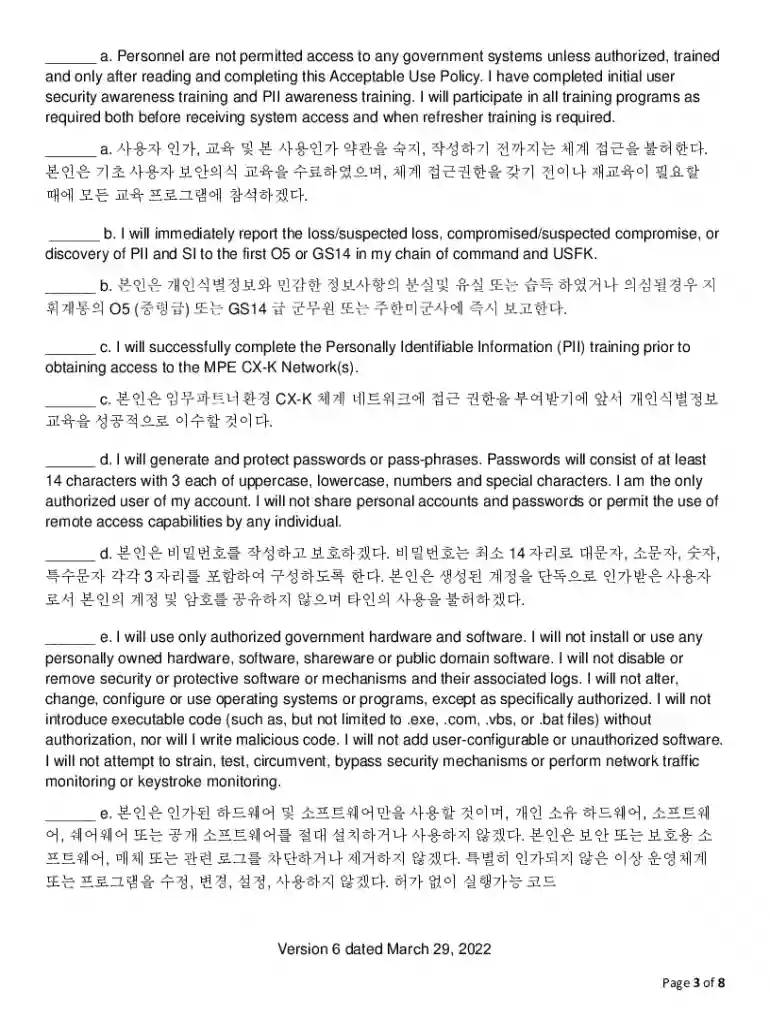
Type text, add images, blackout confidential details, add comments, highlights and more.

Draw your signature, type it, upload its image, or use your mobile device as a signature pad.

Send it via email, link, or fax. You can also download it, export it or print it out.
Acceptable Use Policies (AUPs) are formal documents outlining the constraints and practices that an organization deems permissible for users accessing its network or specific systems. The objective of these policies is to ensure that all users understand the acceptable behaviors and practices that protect the integrity, security, and efficient operation of the information systems. AUPs often cover a range of activities including data privacy, access rights, behavior guidelines, and protocols for handling sensitive information. These policies form a critical part of an organization’s cybersecurity and can include specifics on prohibited actions such as unauthorized access, sharing of confidential information, and misuse of resources.
Understanding AUPs involves several key steps to ensure thorough comprehension and compliance:
Review the Document: Begin by thoroughly reading the AUP provided by the organization. Pay attention to all sections, particularly those outlining prohibited activities and responsibilities.
Analyze Definitions: Understand the terminology and legal jargon used. This includes words like "sensitive information" or "data encryption."
Identify User Responsibilities: Recognize the user’s duties as stipulated in the policy, including access controls and information handling requirements.
Highlight Consequences: Note the disciplinary actions or penalties listed for policy violations.
Seek Clarification: For any sections that are unclear or ambiguous, request clarification from IT or legal representatives within the organization.
Acknowledge Compliance: Often, users must sign or electronically confirm their understanding and agreement to comply with the AUP.
A comprehensive AUP typically includes several key elements to safeguard access and information:
Understanding AUPs is crucial for several reasons:
Security Compliance: Ensures users operate within the organization’s security framework, reducing vulnerabilities.
Risk Mitigation: Establishes rules that help prevent unauthorized access and data breaches.
Legal Protection: Shields the organization legally if a user violates policy and causes harm.
Operational Efficiency: Promotes a structured environment where resources are used responsibly.
AUPs carry significant legal weight, both for organizations and users. They often signify a binding contract that holds users accountable to legal standards. Misconduct outlined in the AUP, such as data theft or unauthorized access, can lead to legal actions including fines, job termination, or criminal charges. Precision in legal language within AUPs ensures that all parties understand the consequences of policy infringements, providing an essential safeguard for both user and company.
Consider several scenarios where AUPs play a pivotal role:
Educational Institutions: A university might employ an AUP to govern how students access campus networks and online educational resources.
Corporate Environments: A corporation may use AUPs to prevent misuse of company computers and safeguard client data.
Government Systems: The CX-K system mentioned in the reference uses AUPs to protect national security data and regulate information access.
Typically, AUPs are used by:
Organizations: Both private enterprises and public entities use them to regulate internal systems.
Educational Entity Managers: Schools implement them to maintain decorum and protect institutional resources.
Network Administrators: They ensure that network access and usage remain secure and compliant with regulations such as JSOX in Japan or GDPR in Europe.
Understanding AUPs involves familiarization with several important terms:
Encryption: The method of converting information or data into a code to prevent unauthorized access.
PII (Personally Identifiable Information): Any information that can identify an individual, which organizations must protect.
Phishing: A fraudulent attempt to obtain sensitive information by pretending to be a trustworthy entity in electronic communications.
By understanding these terms and their application within an AUP, users can better comprehend their roles and responsibilities within an organization's digital ecosystem. This knowledge helps reinforce security measures and adheres to established protocols effectively.
At DocHub, your data security is our priority. We follow HIPAA, SOC2, GDPR, and other standards, so you can work on your documents with confidence.
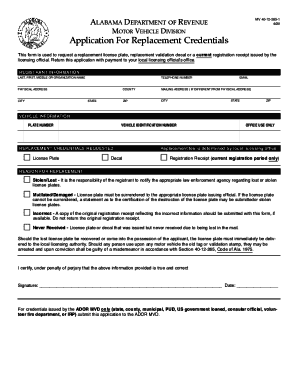
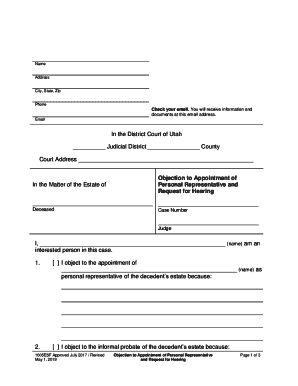

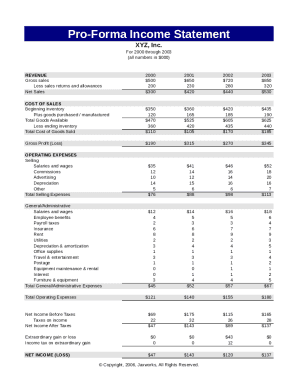
An Acceptable Use Policy is like a set of digital guardrails. It outlines the rules and guidelines for using an organizations computer network, website, or
May 27, 2020 This Acceptable Use Policy (AUP) applies to all services provided by Cox Business, including without limitation all Internet services, and
Mar 31, 2023 The EOHHS Acceptable Use Policy (AUP) outlines more specifically tailored requirements, in addition to the EOTSS Acceptable Use Policy.


