






Definition and Meaning of a Building Permit Application
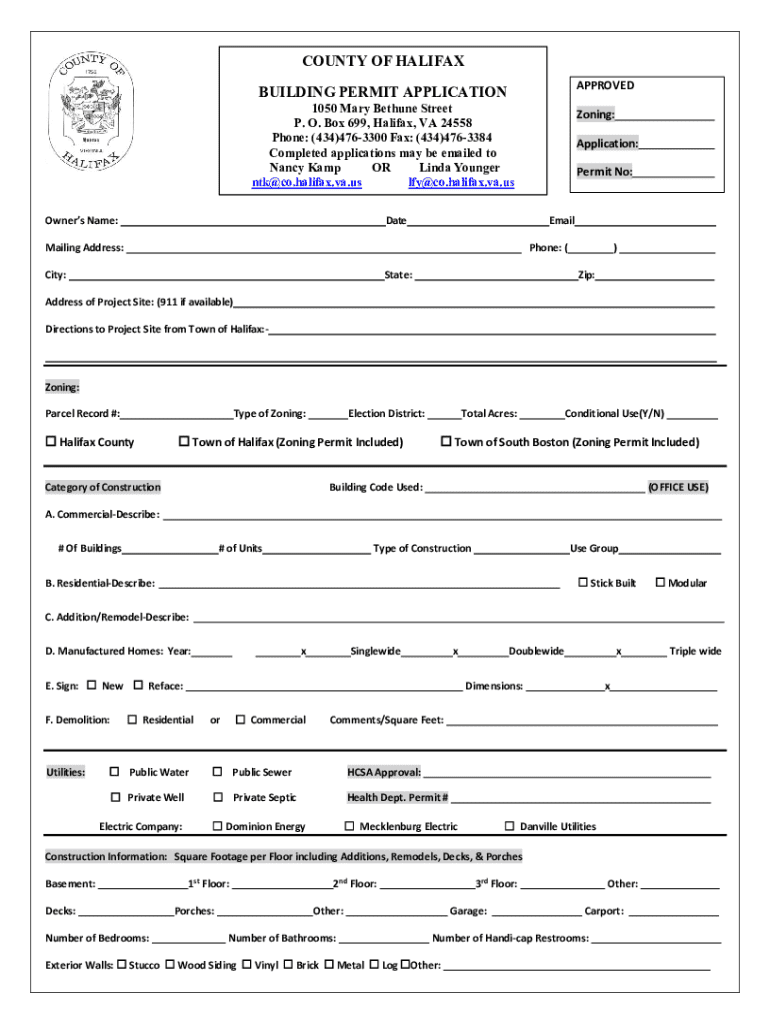
A Building Permit Application is an essential document required by local government bodies in the United States for commencing construction projects. It serves as a formal request to obtain permission to construct, enlarge, alter, repair, move, demolish or change the occupancy of a building. The primary purpose of this application is to ensure that proposed construction plans comply with local zoning laws, building codes, and other regulatory requirements. By submitting this application, property owners provide necessary details about the construction project that will be evaluated by relevant authorities to assess its safety and compliance. The process helps maintain community standards and neighborhood harmony by managing development responsibly.
Steps to Complete a Building Permit Application
Filling out a Building Permit Application can seem daunting, but breaking down the process into manageable steps simplifies the task. Here’s a detailed guide on how to complete it:
-
Gather Necessary Documentation: Compile all relevant documents including site plans, structural drawings, and project blueprints. These should highlight the scope and specifications of the project.
-
Fill in Owner Details: Enter accurate contact information for the property owner, ensuring that the name and address on the application match official records.
-
Provide Project Site Information: Detail the project location, including the full address and any relevant zoning information. This helps authorities understand the project's local context.
-
Specify Construction Type and Purpose: Clearly describe the construction type—be it residential, commercial, new construction, or renovation—and the intended use of the structure.
-
Include Contractor Information: If applicable, provide contractor details like name, license number, and contact information. This assures authorities of licensed oversight on the project.
-
Utilities and Environmental Factors: Address utility requirements such as water, sewage, and electrical needs, and include any environmental considerations or impact assessments.
-
Certification Statements: End with signing certifications or declarations affirming the truthfulness and completeness of the provided information. Signatures from the owner and contractor might be required.
Each step requires careful attention to detail, as omissions or inaccurate entries can result in application rejection or project delays.
Important Terms Related to Building Permit Applications
Understanding the language used in Building Permit Applications is crucial for accurate completion:
-
Zoning Codes: Regulations governing land use and development to ensure harmonious community structure and function.
-
Building Codes: Standards ensuring safe construction practices, including materials, design, and structural integrity.
-
Certificate of Occupancy: A document issued post-construction permitting legal occupation of a building.
-
Plot Plan: A diagram showing the building’s footprint on the property, including boundaries and easements.
-
Variance: Permission to deviate from specific zoning requirements typically granted under special circumstances.
Knowledge of these terms aids in navigating the permit application process effectively.
Who Typically Uses a Building Permit Application
Building Permit Applications are utilized by a diverse group of individuals and entities undertaking construction projects within the U.S. This includes:
-
Homeowners: For renovations, extensions, or new home constructions within their property.
-
Developers: Engaged in large-scale projects, including commercial or residential developments.
-
Contractors: Acting on behalf of clients to ensure legal project execution.
-
Architects and Engineers: Collaborative input ensuring designs meet regulatory standards.
Each user benefits from understanding specific obligations and responsibilities tied to their involvement in the construction project.
Why You Should Use a Building Permit Application
Submitting a Building Permit Application is mandatory for compliance with local regulations and offers several other benefits:
-
Legal Compliance: Avoids potential legal issues and fines associated with unauthorized construction.
-
Safety Assurance: Ensures adherence to safety standards, protecting occupants and the local community.
-
Property Value Addition: Valid permits can increase a property’s marketability and value.
Additionally, it establishes a formal record of improvements that supports future real estate transactions or evaluations.
Key Elements of a Building Permit Application
A Building Permit Application consists of several critical components requiring thorough information:
-
Owner Information: Identity verification through detailed contact and property ownership documentation.
-
Construction Plans: Comprehensive blueprints showcasing design, materials, and compliance with building standards.
-
Zoning and Use Details: Aligns project purpose with local zoning ordinances to avoid unpermitted land use.
-
Contractor Credentials: Licensed professional details ensuring certified construction management.
-
Signatures and Certifications: Legal affirmations from all involved parties validating the application’s accuracy.
Missing any key element can delay approval or necessitate resubmissions, complicating project timelines.
State-Specific Rules for Building Permit Applications
Building Permit Application processes and requirements can vary significantly from state to state in the U.S. Some states may enforce stricter zoning ordinances, while others focus more heavily on environmental impact assessments. It is crucial for applicants to:
- Research state and local government websites for specific guidelines and required documentation
- Understand additional permits that might be needed, such as environmental or historic preservation approvals
Engaging with local professionals familiar with state-specific nuances can streamline the permit process, reducing potential obstacles.
Form Submission Methods (Online, Mail, In-Person)
Each jurisdiction offers different methods for submitting a Building Permit Application, providing flexibility for applicants:
-
Online Submissions: Many counties offer digital submission portals for streamlined applications and approval processes. This method provides convenience with real-time tracking and updates.
-
Mail Submissions: Sending printed application forms through post remains an option, though it might result in longer processing times due to manual handling.
-
In-Person Submissions: Visiting municipal or county offices allows for direct interaction with officials, potentially addressing complex queries immediately.
Each method comes with its benefits, and the choice often depends on the applicant's proximity to local offices, technological comfort, or preference for personal communication during submissions.