






Definition and Meaning of Building Code: Forms and Documents
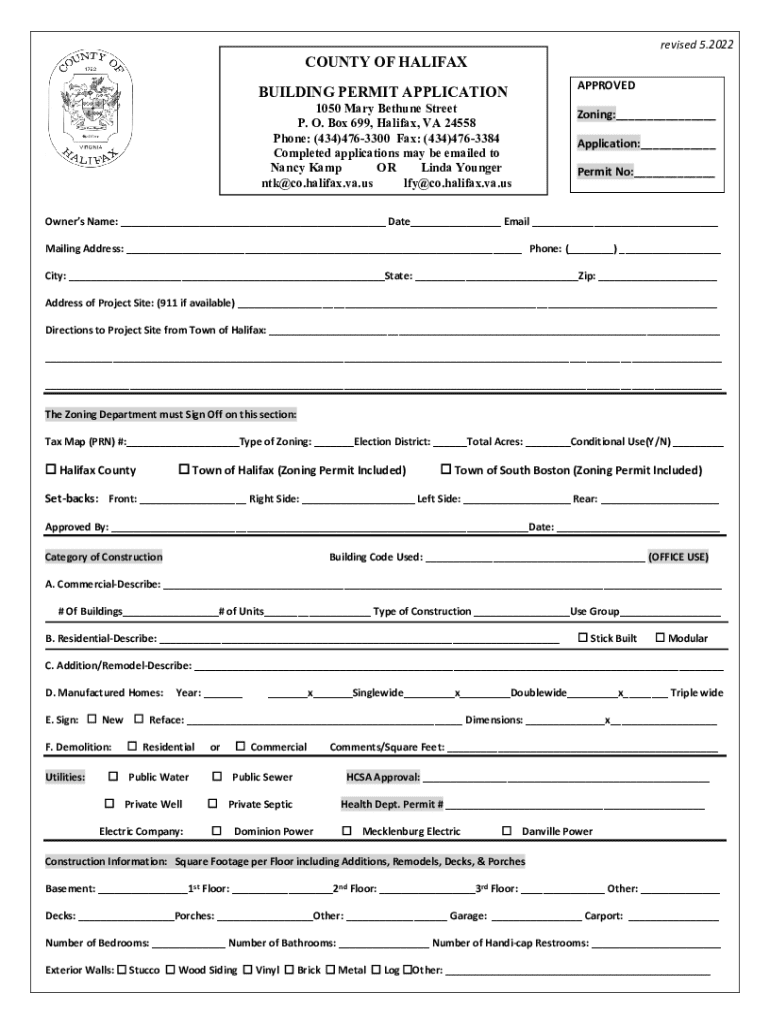
Building Code: forms and documents are critical for ensuring that construction projects comply with local government regulations. These documents typically include applications, checklists, and permits necessary for legal authorization to proceed with building activities. Each jurisdiction might have its unique set of requirements based on their specific building codes, which are collections of standards relating to the safety, health, and welfare of the occupants and the public. Understanding these forms and documents is essential for architects, builders, and property owners aiming to undertake construction projects legally.
Key Features of Building Code Documents
- Permit Applications: Essential for commencing any construction or renovation project, indicating permission to build according to specific plans.
- Zoning Approvals: Verify that the intended use of a property complies with local zoning laws.
- Utility Connection Forms: Necessary for authorizing water, electricity, and other utilities.
How to Obtain the Building Code: Forms and Documents
Acquiring the proper building code documentation is a straightforward process that varies slightly depending on the jurisdiction. Generally, these forms are available through the local government's building department either online or at their physical location. Ensuring you have the correct and latest version of these forms is crucial to a successful application process.
Common Steps in Acquisition
- Identify the Local Building Authority: Contact your city or county building department to clarify which forms are necessary.
- Download or Collect Forms: Most jurisdictions offer downloadable formats on their official websites. Alternatively, you can pick them up in person.
- Consultation: Consider speaking with a building official or consultant to ensure you fully understand your obligations and the processing times involved.
Steps to Complete the Building Code: Forms and Documents
Completing building code forms accurately is crucial for timely approval. Each form will have its distinct requirements, often necessitating specific details about the project, including the site plans, building plans, contractor details, and project valuation.
Detailed Completion Process
- Gather Required Information: This includes project specifications, contractor licenses, and architectural drawings.
- Fill Out Sections Sequentially: Carefully follow the instructions provided with each form to avoid errors.
- Attach Supporting Documents: Include any required additional paperwork, such as proof of property ownership or previous permits.
- Review for Accuracy: Double-check all entries for errors before submission to avoid delays in processing.
Why Properly Handling Building Code: Forms and Documents is Essential
Proper completion and submission of building code forms are not just bureaucratic steps; they're necessary for ensuring the structural safety and legal compliance of construction projects. Without these essential documents, property owners may face severe legal penalties, project delays, or even the demolition of non-compliant structures.
Benefits of Compliance
- Legal Protection: Having the correct permits protects property owners from potential legal disputes.
- Safety Assurance: Compliance guarantees that buildings meet established safety standards.
- Smooth Project Execution: Permits signal to financiers and stakeholders that the project is legitimate and viable.
Key Elements of Building Code: Forms and Documents
Understanding the core components of these documents ensures that nothing is overlooked during their preparation and submission. Each form typically contains sections specific to different aspects of the construction project.
Core Components
- Project Information: Details about the location, purpose, and scope of the project.
- Applicant Information: Identification for the individual or company responsible for the project.
- Signatures and Authorizations: Consent from property owners and acknowledgment of terms and conditions.
State-Specific Rules for Building Code: Forms and Documents
Building codes can vary significantly from state to state, reflecting local environmental and geographical conditions, as well as regional safety concerns. It's crucial for applicants to be informed of these variations to meet all regulatory expectations.
Considerations for U.S. States
- California: Known for stringent earthquake safety requirements.
- Florida: Enforces codes to address hurricane resistance.
- New York: Has unique codes regarding historical building preservation and urban density.
Examples of Using Building Code: Forms and Documents
Various scenarios illustrate the necessity and application of building code documents. Whether it is a new business development or a residential renovation, these forms provide a critical foundation for legal construction practices.
Practical Examples
- Commercial Building Projects: Ensure zoning and utility forms adhere to city development plans.
- Home Renovations: Permit applications for structural changes to existing homes.
- Public Infrastructure: Ensures compliance with environmental and public safety standards for bridges, roads, and public buildings.
Legal Use of Building Code: Forms and Documents
Adhering to the legal requirements of these documents is mandated by law. Building projects cannot lawfully proceed without the relevant approvals, which underpin the rights and responsibilities of all involved parties.
Legal Framework
- Building Code Compliance: Ensures all construction meets mandatory standards.
- Penalties for Non-Compliance: May include fines, legal action, or mandated alteration/destruction of unauthorized structures.
- Record-Keeping Requirements: Forms must be retained for a specified period to provide evidence of compliance.
Exploring and understanding each of these blocks is critical for anyone applying for or in need of building code documentation for projects within the U.S. Each section detailed above offers valuable insights into the process, requirements, and importance of building code compliance.