





Definition and Meaning of Form Online
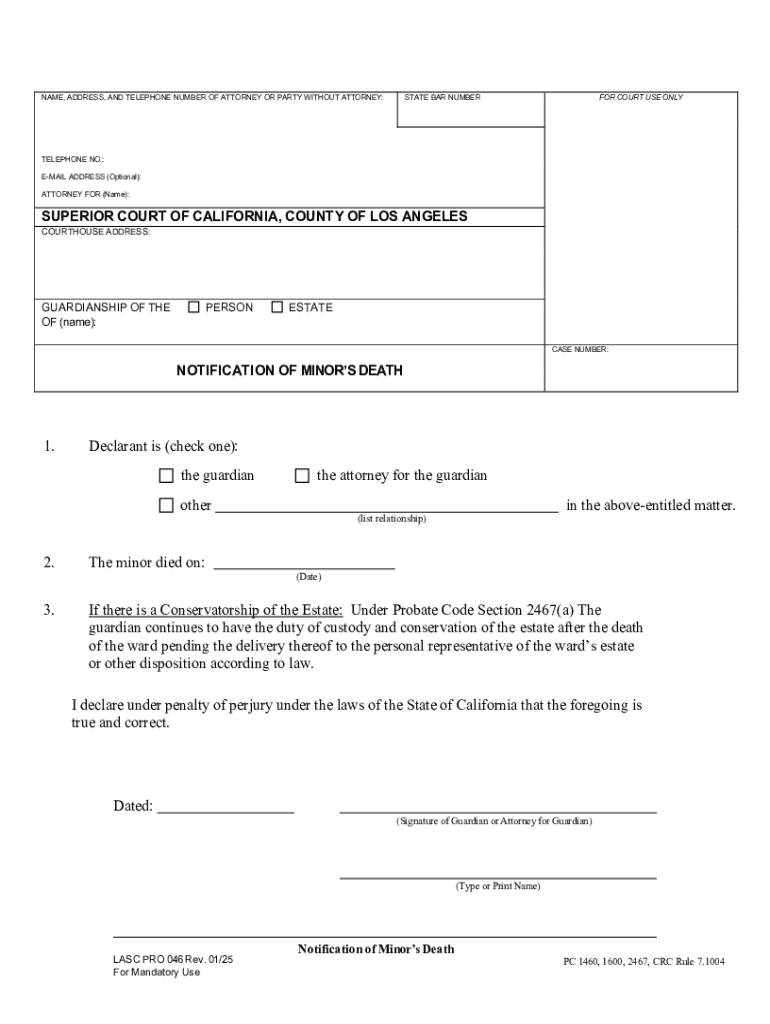
A form online refers to digital versions of traditional paper forms that are designed for electronic submission. These forms are used in various contexts, such as legal, administrative, and commercial purposes, and provide a convenient way to collect and process information over the internet. Online forms provide streamlined processes for data entry, ensure accuracy with built-in validations, and facilitate faster communication between parties.
- Convenience: Online forms can be accessed from any device with internet connectivity, allowing users to complete them from their home or office.
- Efficiency: Digital forms often include features such as auto-fill and drop-down menus that streamline the data entry process.
- Security: Online submissions can be encrypted, ensuring that the data remains confidential and secure.
How to Use the Form Online
Utilizing an online form involves several straightforward steps to ensure the efficient collection and submission of the required information. Below is a general guide:
- Access the Form: Navigate to the platform's website or the specific page hosting the form, such as an official government site or a business portal.
- Read Instructions Carefully: Each form may come with guidelines outlining the necessary steps and any supporting documentation required.
- Fill Out the Fields: Complete each section by entering information into text boxes or selecting options from drop-down lists. Ensure all required fields marked with an asterisk are completed.
- Review Information: Carefully review all entries to make sure they are accurate and complete before submission.
- Submit the Form: Click the "Submit" button and wait for confirmation that the form has been successfully received. Some platforms may provide a confirmation email or reference number.
Steps to Complete the Form Online
The process of completing an online form involves detailed actions to ensure all necessary information is provided in the correct format. Follow these steps:
- Gather Required Information: Before starting, assemble all the necessary documents, such as identification, financial statements, or legal documents that may need to be referenced or uploaded.
- Register an Account: Some platforms require users to create an account for tracking purposes and turning submissions into electronic records.
- Fill the Form: Enter data into each field:
- Personal details such as name, address, and contact number.
- Specific information related to the form purpose, such as case numbers or tax identifiers.
- Attach Documents: Upload any necessary documents directly through the form interface.
- Finalize and Submit: Verify all sections are completed and submit the form. Keep an acknowledgment receipt for your records.
Why Should You Form Online
There are multiple advantages to submitting forms online that make this method increasingly preferable over traditional paper submissions.
- Time-Saving: Completing forms online can be done quickly without the need for printing or mailing, reducing delays in processing.
- Cost-Effective: Saves costs related to postage and paper.
- Improved Accuracy: Integrated verification features reduce errors and ensure completeness before submission.
- Eco-Friendly: Reduces paper consumption, contributing positively to environmental conservation efforts.
Key Elements of the Form Online
Understanding the critical components of an online form helps users navigate and complete them efficiently. Key elements typically found include:
- Form Fields: Areas for input such as text boxes for names and numbers.
- Drop-Down Menus: Allow users to make selections from predefined lists.
- Checkboxes and Radio Buttons: Used for selecting single or multiple options.
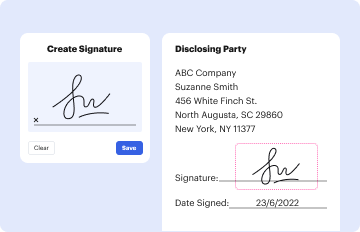
- E-Signature Blocks: Facilitates secure electronic signing.
- Submit Button: Finalizes the form completion process.
Who Typically Uses the Form Online
Forms online cater to a wide range of users, each with specific needs depending on the form's purpose:
- Individuals: For personal applications, such as tax filings, permit requests, or job applications.
- Businesses: To handle administrative tasks, report taxes, or apply for business licenses.
- Legal Professionals: For filing court documents or managing client information securely.
- Government Agencies: For applications that require public participation or feedback.


Legal Use of the Form Online
Forms submitted online possess the same legal standing as paper forms when properly completed and submitted. Several points ensure legality:
- Compliance with Regulations: Forms must adhere to specific industry standards and legal requirements, ensuring the process is recognized by authorities.
- Digital Signatures: Electronic signatures obtained through secure methods are legally binding under acts like the ESIGN Act.
- Audit Trails: Many systems provide logs of user actions, confirming timeliness and authenticity of submissions.
Software Compatibility
Online forms need to be compatible with various software platforms to provide flexibility and ease of use. Key compatibility considerations include:
- Common Software Compatibility: Many online forms are accessible through web browsers and do not require additional software installations.
- Integration with Platforms: Some are designed to work with accounting software, like QuickBooks or TurboTax, allowing seamless data sharing.
- Mobile Access: Ensure that the form platform is optimized for mobile devices, enabling submissions from smartphones or tablets with full functionality.
State-Specific Rules for the Form Online
Variations in laws and regulations at the state level can pose specific requirements for online form submissions, especially for legal or tax-related forms. Users must:
- Review State Guidelines: Consult state-specific resources or government websites to understand local requirements.
- Ensure Compliance: Follow any additional instructions or attach required documents pertinent to the specific state.
- Seek Professional Advice: Consider reaching out to state offices or professional advisors for clarification on nuanced regulations.
Examples of Using the Form Online
Practical scenarios illustrate the varied application of online forms across different contexts:
- Tax Filing: Individuals complete income tax returns using state or federal e-filing systems, submitting forms like the IRS Form 1040 through secure portals.
- Permit Applications: Businesses apply for operational permits or licenses through local government websites, ensuring all prerequisites are met.
- Educational Enrollment: Prospective students submit admission forms directly to universities through online portals, including attachments like personal essays or transcripts.
These blocks provide a comprehensive overview of the key aspects and features associated with forms online, catering to diverse user needs while maintaining precision and utility.