






Definition & Meaning
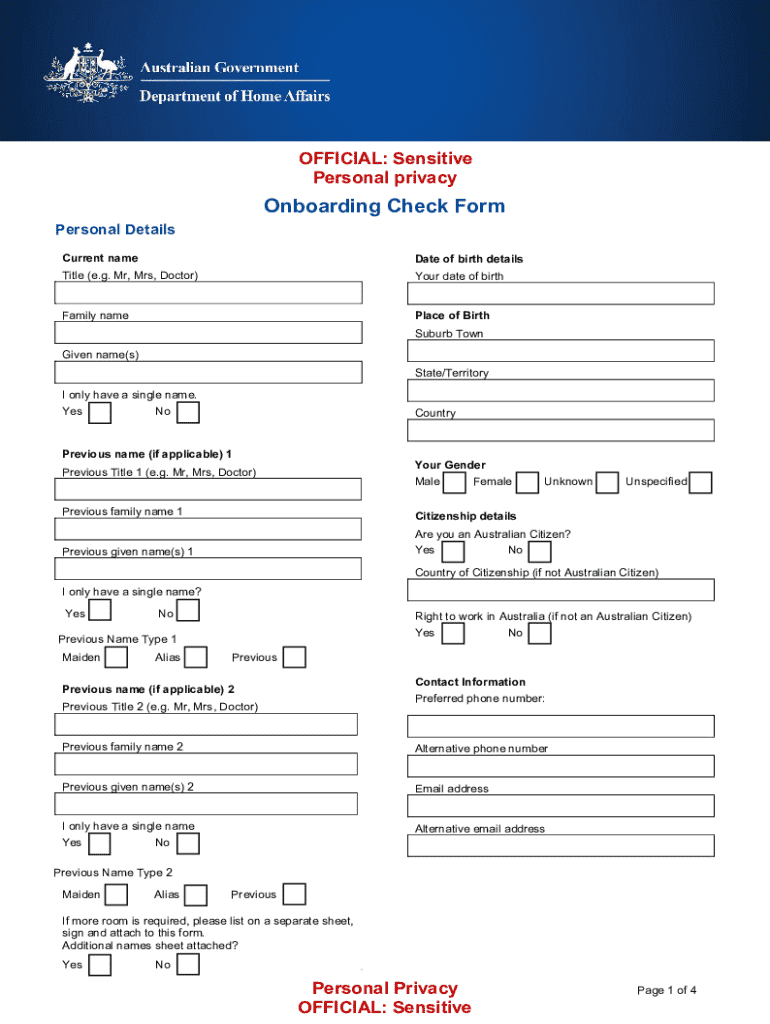
The Onboarding Check Form is a comprehensive tool designed to gather essential information when individuals start a new role within a company. Its primary purpose is to collect sensitive personal data necessary for employment verification and to ensure compliance with company policies. This form plays a critical role in the hiring process by establishing an initial record of the employee that includes their personal details, address history, employment history, and identity verification documents.
Key Components of the Form
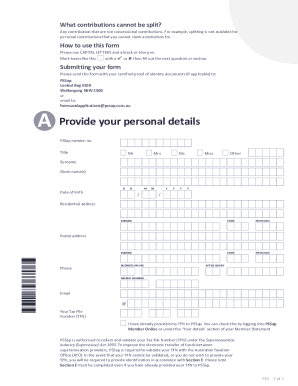
- Personal Details: Essential information such as full name, date of birth, and contact information.
- Address History: A record of past addresses for verification purposes.
- Employment History: Previous roles and responsibilities that add context to the individual's professional background.
- Identity Verification Documents: Proof of identity and citizenship, such as a passport or driver’s license, to ensure compliance with employment laws.
Employees must carefully complete each section to provide a thorough overview of their background for their new employer.
Steps to Complete the Onboarding Check Form
Completing the Onboarding Check Form involves detailed steps to ensure accuracy and compliance. Here is a step-by-step guide to navigate the process:
- Gather Required Documentation: Before starting, collect all necessary personal documents, including proof of identity and address.
- Fill in Personal Information: Begin with basics like name, address, and contact details, ensuring all fields are accurate.
- Provide Employment History: List previous employers, positions held, and duration of employment.
- Attach Identity Documents: Include copies of necessary identification documents as outlined by the employer’s guidelines.
- Review for Accuracy: Double-check all entries for completeness and correctness before submission.
This sequence ensures that all critical details are adequately recorded, reducing the chances of needing to resubmit due to errors.
How to Obtain the Onboarding Check Form
Employees can access the Onboarding Check Form through various means, often determined by their new employer's policies. Here are common methods:
- Employer Portal: Directly download the form from the employer’s internal HR system or online portal.
- Email Distribution: Receive the form as an attachment in a welcome email from the HR department.
- Physical Copy: Obtain a paper version of the form during the orientation session or initial meeting.
Accessing the form through these channels ensures that the version you receive adheres to company-specific requirements and formats.
Why Should You Complete the Onboarding Check Form
Completing the Onboarding Check Form is crucial for several reasons, aligning with both employer and employee needs:
- Legal Compliance: Fulfillment of legal requirements related to hiring and employment documentation.
- Personal Data Security: Ensures accurate record-keeping of an employee’s data for future reference.
- Easing Transition: Facilitates a smoother transition by providing new employers with pertinent employee information.
By ensuring that all details are accurately recorded on the form, new hires contribute to a legally compliant and efficient onboarding process.
Key Elements of the Onboarding Check Form
The form includes several key elements that are essential for comprehensive employee onboarding:
Personal Identification
- Full Name and Date of Birth: Used for identity verification and payroll information.
- Social Security Number: Essential for tax and employment documentation purposes.
Address and Employment History
- Previous Employers: Information on past work experience helps assess skills and verify background.
- Residential Address History: Required to verify identity and ensure accurate records.
Important Terms Related to Onboarding Check Form
Understanding important terms related to the Onboarding Check Form can help in its accurate completion. Some critical terms include:
- Proof of Citizenship: Acceptable documents that verify an individual’s legal right to work in the U.S.
- Consent for Background Check: Permission given by the individual to verify employment history and other details.
- Confidentiality Clause: A statement covering the privacy and intended use of the shared information.
These terms ensure clarity and transparency, aiding in both the completion and review of the form.
Examples of Using the Onboarding Check Form
Analyzing practical examples provides insight into how the Onboarding Check Form is utilized in various workplace scenarios:
- New Hires in Corporate Firms: Streamlines the initiation process for employees joining large corporations, ensuring compliance with HR policies.
- Remote Employment: Essential for remote workers, allowing verification of identity and address without physical presence.
- Temporary Positions: Assists in processing temporary employment roles where quick background checks are essential for workforce management.
These examples highlight the form’s versatility and necessity across different employment situations.
Legal Use of the Onboarding Check Form
The Onboarding Check Form serves not only an administrative purpose but also a legal one:
- Compliance with Labor Laws: Ensures that the employer and employee meet federal and state employment requirements.
- Privacy Regulations: Adheres to policies regarding the storage and use of personal data, safeguarding employee privacy.
- Record-Keeping Requirements: Meets documentation standards for auditing and verification by regulatory bodies.
Understanding these legal aspects helps both the employer and employee to remain compliant with laws and regulations pertinent to employment documentation.