




01. Edit your form online
Type text, add images, blackout confidential details, add comments, highlights and more.

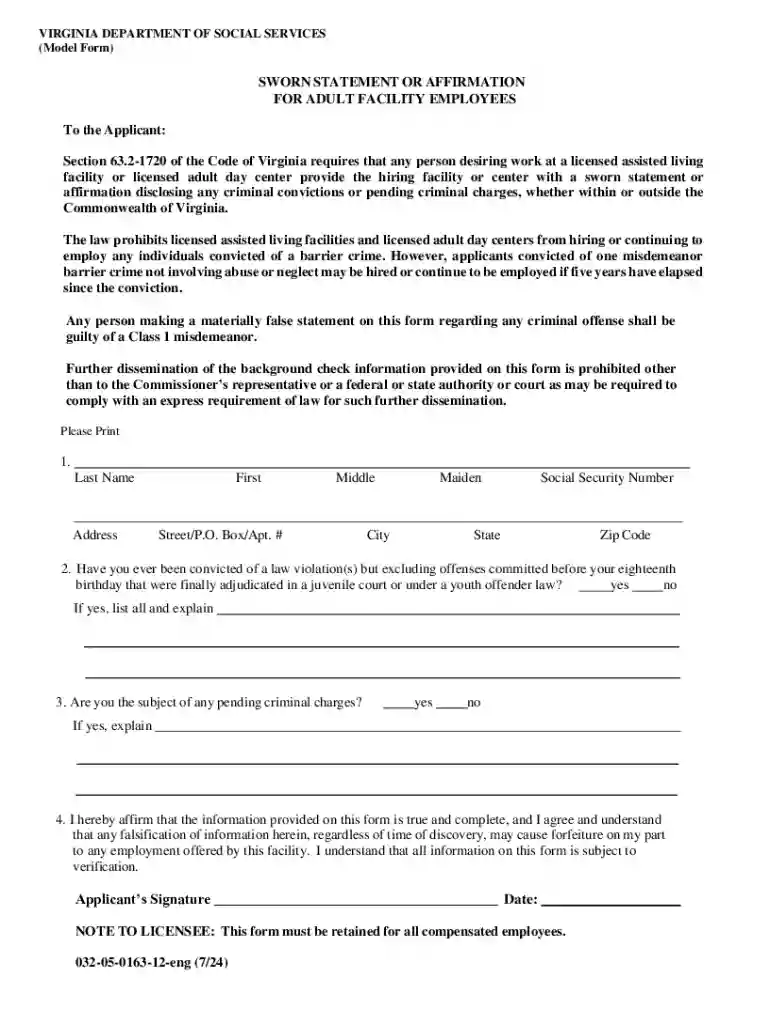
Type text, add images, blackout confidential details, add comments, highlights and more.

Draw your signature, type it, upload its image, or use your mobile device as a signature pad.

Send it via email, link, or fax. You can also download it, export it or print it out.
A sworn statement or affirmation for foster and adoptive parents is a legally binding document often required by social services departments across various states in the U.S. This form is used to affirm or vow that the information provided by the applicant—regarding their personal history, criminal record, and other relevant details—is true and accurate to the best of their knowledge. The statement serves to ensure that prospective foster or adoptive parents meet specific legal requirements essential for the welfare of children in their care, promoting a safe and nurturing environment.
The sworn statement or affirmation form typically includes several critical components that ensure comprehensive coverage of the applicant's background and intent. Understanding these elements is crucial for accurate completion.
Obtaining the sworn statement or affirmation form primarily involves interacting with state social services or adoption agencies. Here’s a detailed guide for prospective applicants:
Filling out the sworn statement or affirmation requires careful attention to detail. Below are the outlined steps to ensure accuracy:
This form is crucial in the adoption and foster care system due to its role in child welfare and legal compliance. It actively contributes to the safety and well-being of children by establishing a trustworthiness standard for caregivers.
The sworn statement or affirmation holds significant legal weight, making it an essential document for safeguarding the interests of both the children and the caregiving entities involved.
Understanding the terminology associated with the sworn statement or affirmation is vital for completing the form accurately and comprehending its impact.
Examples can help in understanding the practical applications and importance of the sworn statement or affirmation form.
By understanding these components, one can appreciate the necessity and gravity of the sworn statement or affirmation form in the context of foster and adoptive parenting, ensuring a safer and more secure environment for children.
We've got more versions of the sworn statement or affirmation for foster and adoptive form. Select the right sworn statement or affirmation for foster and adoptive version from the list and start editing it straight away!
At DocHub, your data security is our priority. We follow HIPAA, SOC2, GDPR, and other standards, so you can work on your documents with confidence.

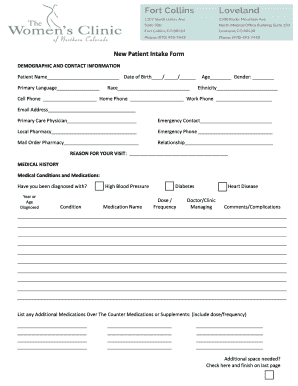

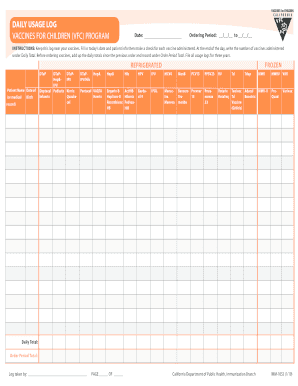
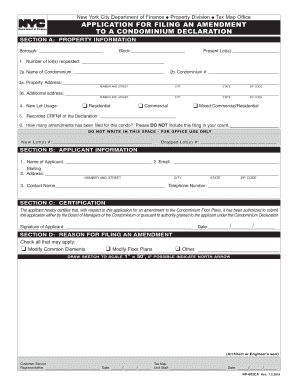
by W Robert Cited by 6 The answer shall contain a clear and concise statement of the facts which constitute its defense. Any charge or specification in the complaint which is not
Background check means a sworn statement or affirmation disclosing whether the individual has a criminal conviction, is the subject of any pending criminal
The sworn statement is for foster/adoptive parents and adult household members, attesting to any convictions or child abuse/neglect complaints. It must be


