




01. Edit your vermont family court forms online
Type text, add images, blackout confidential details, add comments, highlights and more.

Type text, add images, blackout confidential details, add comments, highlights and more.

Draw your signature, type it, upload its image, or use your mobile device as a signature pad.

Send vt family court forms via email, link, or fax. You can also download it, export it or print it out.
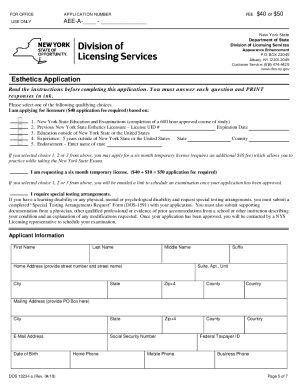
Family court forms are essential legal documents used in courts to manage and resolve various family-related legal issues. These forms facilitate the legal processes in cases such as divorce, child custody, adoption, and spousal support. They serve as a formal method to submit essential information, requests, and declarations to the court, ensuring that all parties involved are aware of the proceedings and their legal obligations. The structured nature of these forms helps maintain consistency and clarity in legal documentation, which aids in efficient judicial decision-making.
Family court forms can vary significantly depending on the specific legal issue at hand. In a divorce case, forms may include petitions for dissolution of marriage, financial disclosure statements, and parenting plans. For child custody matters, forms typically involve detailed information about the children's living arrangements, parental responsibilities, and visitation schedules. In adoption cases, required forms might include consent to adoption and home study reports. All these forms are tailored to ensure that the court has a comprehensive understanding of the family dynamic, minimizing misunderstandings or misinterpretations.
To effectively use family court forms, it is crucial to understand the specific requirements for each type of form. This involves carefully reading the instructions provided for each document and noting any deadlines by which the forms need to be submitted. Accurately filling out these forms is vital as incomplete or incorrect information could delay the legal process or result in unfavorable outcomes.
Read Instructions: Begin by reading through all provided instructions for the specific family court forms relevant to your case. These instructions offer guidance on how to fill out the forms and provide information on additional documents that might be needed.
Gather Necessary Information: Collect all the essential details required for the form. This may include personal identification information, financial records, marriage or divorce records, and information about any children involved.
Complete the Forms: Fill out each form with precise and accurate information. Ensure all questions are answered and that the writing is legible if completing the forms by hand. If using a digital platform like DocHub, take advantage of features such as form fields that guide you through entering the correct information.
Review and Proofread: Double-check all entered data for accuracy and completeness. Reviewing the forms ensures there are no errors that could impact the legal proceedings.
File the Forms: Submit the completed forms as directed, either online, by mail, or in person at the court.
Obtaining family court forms can be straightforward if you know where to look. Generally, these forms are available from several official sources:
Court Websites: Most state and local court systems have websites where you can download family court forms. These sites typically offer the most up-to-date versions of the forms and include helpful resources, such as FAQs and guidelines, to assist you in the form completion process.
Clerk of the Court Offices: You can visit your local courthouse to obtain physical copies of the forms. The clerks can guide you on what forms are necessary for your case and how to fill them out.
Online Platforms: Services like DocHub provide easy access to standard family court forms, allowing for digital completion and submission. These platforms also often integrate with cloud storage solutions, helping you manage and store your documents efficiently.
Completing family court forms requires meticulous attention to detail to ensure the accuracy and legal validity of submissions. Here’s a step-by-step guide:
Identify the Correct Forms: Determine the specific forms required for your legal issue, whether it’s divorce, custody, or another family court matter.
Download or Access Forms: Obtain the forms from a trusted source, such as a court website or DocHub, and decide whether to complete them digitally or by hand.
Gather Supporting Documents: Collect documents that support your case, such as financial statements, previous court orders, and personal identification.
Fill Out the Forms: Enter your information as directed by the form instructions. Use digital tools or fillable PDFs to simplify the process if available.
Double-Check for Completeness: Ensure all sections are completed and cross-verify details with the supporting documents.
Submit the Forms: File the completed forms with the relevant court or through an online submission portal, if applicable.
Understanding key terminology associated with family court forms is essential for effectively navigating the legal process. Some important terms include:
Petition: A formal request submitted to a court seeking a specific legal action, often initiating a family law case.
Decree: An official order issued by a court that resolves issues and confers a legal ruling.
Guardianship: Legal authority granted to an individual to make decisions for another person, often relating to children or incapacitated adults.
Affidavit: A written statement confirmed by oath or affirmation, used as evidence in court.
Being familiar with these terms can help you communicate more effectively with legal professionals and understand the context of your family court forms.
Family court processes and forms can differ significantly across the United States, as family law is often governed by state-specific legislation. States may have unique requirements or forms that cater to local legal standards:
Variations in Forms: Some states might require additional forms or supplementary information that is not needed in other jurisdictions. For example, California has specific forms for restraining orders that differ from those in Texas or New York.
Filing Costs: Court fees and filing processes also vary by state. Some states might offer fee waivers for low-income individuals, while others might have online filing options that reduce costs.
Residency Requirements: Certain legal actions, like divorce, might require proof of residency for a specific duration before filing, and these requirements can differ from one state to another.
Understanding these state-specific nuances is essential to ensure compliance and to avoid potential delays in the legal process.
Family court forms consist of various elements designed to collect comprehensive information relevant to the legal matter at hand. Essential components typically include:
Identification Information: Basic information about the parties involved, such as names, addresses, and contact details.
Case Details: Information specific to the legal issue, such as dates of marriage or separation for divorce forms, or details about children involved in custody cases.
Financial Disclosures: Complete financial information including income, expenses, property owned, and debts. This is crucial in matters involving spousal or child support.
Detailed Requests: Clear statements of the specific relief or resolution being sought from the court, such as custody arrangements or property division.
Each element serves a distinct role in ensuring that the court has all pertinent information to make informed decisions.
At DocHub, your data security is our priority. We follow HIPAA, SOC2, GDPR, and other standards, so you can work on your documents with confidence.

FL-982 is an order for publication or posting of family law documents, including summons, when the respondent cannot be served otherwise. Publication is at
Guardianship Forms (Family Court Act Article 6; S.C.P.A.; Social Services Law Section 384-B) Form 6-1 - Petition for appointment as (guardian of person) (


