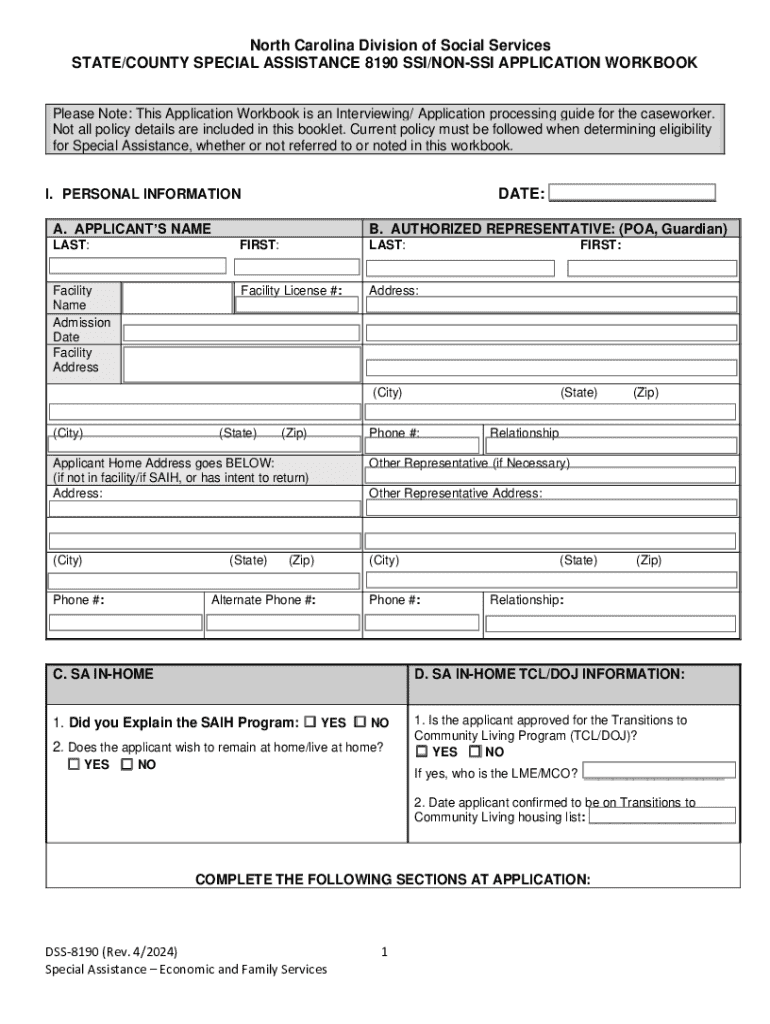







Understanding Medicaid and Its Importance
Medicaid is a vital public assistance program in the United States that provides health coverage to eligible low-income individuals and families. It is funded jointly by the federal government and individual states, allowing for flexibility in administration and program specifics. Medicaid covers a range of services, including doctor visits, hospital stays, long-term care, and preventive services. Understanding the nuances of Medicaid is crucial for those who need affordable healthcare options, as it addresses both medical and financial needs, offering support to vulnerable populations, including children, pregnant women, elderly adults, and individuals with disabilities.
Steps to Apply for Medicaid
-
Check Eligibility: Eligibility varies by state, but typically considers factors such as income, household size, age, and disability status. Online tools and local agencies can provide guidance on whether you qualify.
-
Gather Required Documents: Essential documents include proof of identity, residency, and income. This can be a driver's license, birth certificate, pay stubs, or tax returns.
-
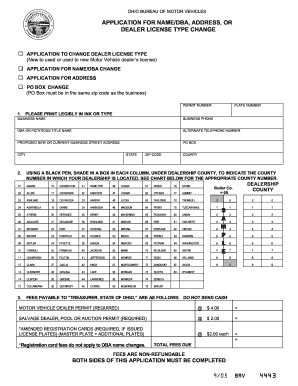
Complete the Application: Applications can be submitted online through your state's Medicaid website, by mail, or in person at a local Medicaid office. Some states might offer phone applications.
-
Submit Additional Information: After the initial application, you may be asked for more documentation to verify your circumstances, such as additional proof of income or medical records.
-
Await a Decision: The review process can take a few weeks to a few months. You will receive a letter or notification detailing the decision and any further steps.
-
Understand Your Coverage: If approved, review the details of what services are covered, how to access care, and any associated costs, such as copayments.
Required Documents for Medicaid Application
- Proof of Identity: Valid forms include a government-issued ID or passport.
- Proof of Residency: Utility bills or lease agreements to confirm state residency.
- Income Verification: Recent pay stubs, tax returns, or benefits statements.
- Household Information: Details about family members living with you.
- Medical Records: If applying due to medical need, relevant health records may be required.
Each state may have additional or specific documentation requirements, so it’s recommended to consult local resources or state websites for comprehensive lists.
Medicaid Eligibility Criteria
Eligibility for Medicaid is determined based on several criteria, which may include:
- Income Level: Generally, applicants must have income at or below a certain percentage of the federal poverty level.
- Household Size: The number of people living in your household affects financial eligibility.
- Age and Disability: Certain groups like children, pregnant women, and the elderly may have different eligibility rules.
- Program-Specific Criteria: Some programs under Medicaid target specific conditions or health needs, which could affect eligibility.
Understanding these criteria helps applicants determine if they meet the guidelines for assistance.


State-Specific Medicaid Rules
Each state administers its own Medicaid program with federal guidelines, leading to variations in coverage, benefits, and eligibility. Some states have expanded Medicaid under the Affordable Care Act, widening the pool of eligible individuals. State-specific rules could also influence the types of services covered, cost-sharing requirements, and delivery methods of care. Applicants should refer to their state's Medicaid website or local offices to understand the particulars of their local program, ensuring compliance and maximization of available resources.
Application Process & Approval Time
The application process varies slightly depending on the state and submission method. Generally, after submitting the application with all required documentation, the state Medicaid office conducts a review process to assess eligibility. The timeframe for approval can range from several weeks to months, depending on the volume of applications and the completeness of submitted information. Applicants receive a notification regarding their application's outcome, and those denied coverage are provided with the reasons for denial and options for appeal.
Digital vs. Paper Application Methods
Applicants can choose between applying online, by mail, or in person. Online applications are often the quickest method, offering a streamlined process with digital form submission and immediate document upload capabilities. Paper-based applications mailed to the local Medicaid office could take longer due to mailing times and manual processing. In-person submissions allow for direct interaction, providing an opportunity for clarifying questions and ensuring all necessary documentation is included.
Variants and Alternatives to Medicaid
While Medicaid serves many, alternatives or supplements may be necessary for certain situations. For instance, Medicare provides health coverage to individuals 65 and older or those with specific disabilities, while private insurance could offer additional coverage or specialized plans not covered by Medicaid. Some states also offer separate programs for children or individuals with special health needs, allowing for customized care tailored to specific requirements not fully addressed by Medicaid.
Examples of Using Medicaid Effectively
- Scenario 1: A young family of four earning below the poverty line applies for Medicaid and qualifies for comprehensive coverage, significantly reducing their out-of-pocket healthcare costs.
- Scenario 2: An elderly woman uses Medicaid to access long-term care services, ensuring she receives necessary daily living assistance.
- Scenario 3: A child with a chronic condition receives specialized medical care through a Medicaid expansion program aimed at covering uncommon but essential treatments.
Each example illustrates how Medicaid adapts to diverse needs, highlighting the program’s flexibility in addressing the healthcare requirements of its participants.