






Understanding 'Anemic Growth' in Alexandria's Tax Revenues
The phrase “anemic growth” in Alexandria’s tax revenues signals a period of sluggish financial performance as seen through the lens of municipal financial health. When a city experiences anemic growth, it indicates that tax revenue, typically collected from sources like property taxes, sales taxes, and fees, is increasing at a slower-than-expected rate. This can result from several factors, such as economic downturns, changes in property values, or shifts in consumer behavior. Understanding this concept is critical for anyone analyzing municipal budgets or planning future fiscal policies.
Key Elements of Alexandria's Tax Revenue Structure
The structure of Alexandria's tax revenue is comprised of various components:
- Property Taxes: Constituting a significant portion of the revenue, these are levied on real estate ownership.
- Sales Taxes: Generated from consumer purchases; these can fluctuate based on local economic conditions.
- Service and Licenses Fees: Derived from business operations and municipal services accessed by residents.
Each element contributes differently to the overall fiscal health, and any variance in these income streams can influence the city's financial planning.
Steps to Address 'Anemic Growth' in Tax Revenues
Addressing anemic growth involves strategic planning and fiscal policy adjustments:
- Review and Analyze Data: Conduct a comprehensive review of current revenue streams and spending.
- Identify Causes: Determine if the growth issue results from declining property values, reduced sales activity, or other factors.
- Revise Tax Rates: Consider adjusting tax rates appropriately without overburdening residents.
- Enhance Economic Development: Invest in local businesses and attract new enterprises to stimulate economic activity and increase revenues.
- Public Engagement: Involve community stakeholders in discussions to ensure strategies align with public interests.
How to Use the Phrase in Municipal Planning
Municipal planners and city officials can use the term as a focal point for discussing the city's financial challenges. It helps frame the conversation around necessary interventions and priorities in budget allocation. By openly addressing anemic growth, city leaders can develop a more transparent budgetary process that engages the community and fosters trust.
Legal Context and Compliance Regarding Tax Revenues
Understanding the legal framework surrounding tax revenues is vital. Each taxation method, from property taxes to sales taxes, must comply with applicable state and federal laws. Ensuring compliance involves:
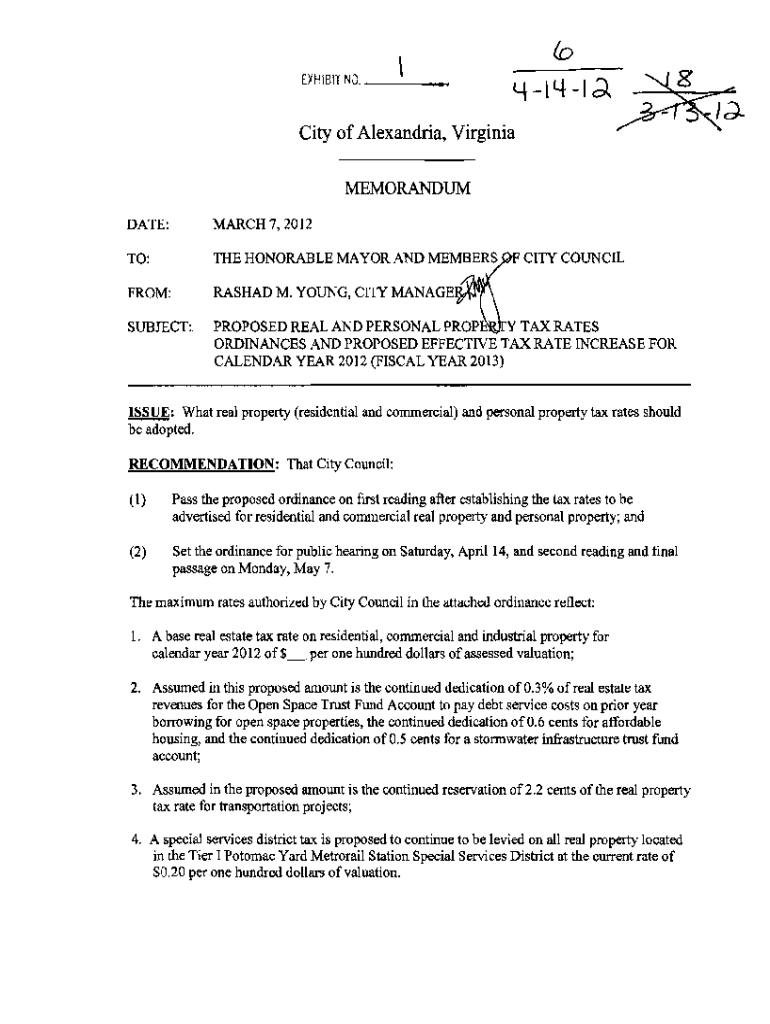
- Public Hearings: As required by state law, holding these ensures transparency in any proposed tax increases.
- Advertising Requirements: Proper notification must be given to residents regarding tax changes to maintain legal compliance.
- Documentation and Audits: Accurate record-keeping is essential to withstand legal and financial audits, ensuring all municipal activities meet regulatory standards.
Impact on Public Services and Infrastructure
When Alexandria experiences anemic growth in tax revenues, it can directly impact the funding available for public services and infrastructure projects:
- Public Services: Essential services like education, public safety, and health may face budget cuts if revenue growth does not align with budgetary needs.
- Infrastructure Projects: Initiatives like road repairs, public transportation expansions, and facility upgrades may see delays or cancellations.
Addressing these impacts involves reprioritizing funding to maintain core services and exploring alternative revenue sources to supplement shortfalls.
Examples of Similar Situations in Other Municipalities
Municipalities across the United States have faced similar challenges:
- Detroit, Michigan: Faced severe revenue declines leading to bankruptcy; turned around by restructuring debts and increasing city services efficiency.
- Baltimore, Maryland: Addressed sluggish growth through targeted investment in innovation and technology sectors.
These case studies offer valuable insights into successful strategies for overcoming anemic growth and stabilizing municipal finances.
Digital Tools and Resources for Revenue Analysis
In the analysis of municipal tax revenues, leveraging digital tools can provide better insights and efficiency:
- Financial Software: Programs like QuickBooks can aid in tracking revenue streams and projecting future trends.
- Data Analytics Platforms: Tools such as SAS or Tableau allow for detailed analysis of revenue patterns and help identify potential growth areas.
By utilizing these technologies, municipalities can gain a clearer understanding of their financial health and make data-driven decisions to correct or avert fiscal challenges.