







Definition and Purpose of City Council Buildings
City council buildings serve as the administrative hubs for municipal government activities. These structures house various offices and meeting rooms where local government officials conduct business and make decisions impacting the community. Often located in central areas of a city, they are symbolic of local democracy and governance. The functions performed within these buildings include public administration, city planning, meetings for policy and decision-making, and community services.
Key Elements of City Council Buildings
- Public Accessibility: City council buildings are designed to be accessible to the public, facilitating community involvement in government decisions.
- Meeting Rooms: These facilities contain designated spaces where council meetings, public hearings, and community forums are held.
- Office Spaces: They provide offices for city officials and administrative staff, ensuring the efficient conduct of city business.
- Security: Buildings often have integrated security systems to safeguard sensitive information and ensure the safety of the public and government officials.
How to Use the City Council Building for Public Engagement
Participation in local governance is simplified through city council buildings. Residents can attend open meetings to gain insight into local political processes and voice their concerns during public comment periods.
Steps to Engage:
- Check Meeting Schedules: Visit your city’s official website for upcoming meeting dates and times.
- Attend Public Sessions: Most meetings are open to the public; check accessibility information if required.
- Review Agendas: Agendas are usually published beforehand, providing insight into the topics to be discussed.
- Participate in Discussions: Utilize public comment opportunities to express opinions or concerns related to city governance.
Who Typically Uses the City Council Building
City council buildings are used by various individuals and groups within the community, including:
- Elected Officials: Council members and the mayor conduct legislative activities within these spaces.
- City Employees: Administrative staff use the building for day-to-day operations.
- Residents and Community Organizations: Engage with officials during public meetings or events.
- Visitors: Tourists and students may visit for educational purposes or to understand civic functions.


Important Terms Related to City Council Buildings
- Ordinance: A law enacted by a city council.
- Resolution: A formal statement of a decision or expression of opinion put before or adopted by the council.
- Minutes: The official written record of council meetings.
Legal Use and Regulations for City Council Buildings
City council buildings must comply with local, state, and federal regulations to ensure they function effectively and legally in serving the community.
Legal Considerations:
- Accessibility Laws: Compliance with the Americans with Disabilities Act (ADA) for public buildings.
- Zoning Laws: Adherence to zoning codes regarding the use and modifications of municipal buildings.
- Public Meeting Laws: Observance of open meeting laws to foster transparency and citizen participation.
State-Specific Rules for City Council Buildings
While all city council buildings serve similar purposes, state-specific regulations can affect their operation. These might encompass meeting procedures, public access policies, and structural codes.
Examples:
- California: The Brown Act mandates open meetings for local government bodies.
- New York: Provides specific guidelines for meeting notifications and public records.
- Texas: Enforces the Texas Open Meetings Act, outlining requirements for government transparency and public involvement.
Types of Meetings Held in City Council Buildings
A variety of official meetings are conducted within city council buildings, addressing diverse aspects of municipal governance.
Common Meetings:
- City Council Meetings: Regularly scheduled sessions where council members discuss and vote on local legislation.
- Committee Meetings: Specialized groups address specific areas like finance, public safety, or urban planning.
- Public Hearings: Gather input from citizens on zoning changes, budget allocations, or other significant community issues.
Differences in Digital vs. In-Person Participation
Digital technology is increasingly integrated into city governance, offering both in-person and virtual options for participation in council activities.
Differences:
- In-Person: Offers a direct, tangible connection with council proceedings; ideal for local residents who prefer face-to-face interactions.
- Digital Participation: Remote attendance via livestreams or conference calls; broadens access for individuals unable to attend in person due to distance or mobility concerns.
Benefits of Digital Integration:
- Recordings and Archives: Digital formats allow for convenient access to past meeting records.
- Wider Reach: Enables participation from a larger audience, facilitating inclusive community involvement.
Examples and Case Studies of City Council Building Use
City council buildings often play crucial roles during significant events or decisions, reflecting their importance within civic life.
Case Study:
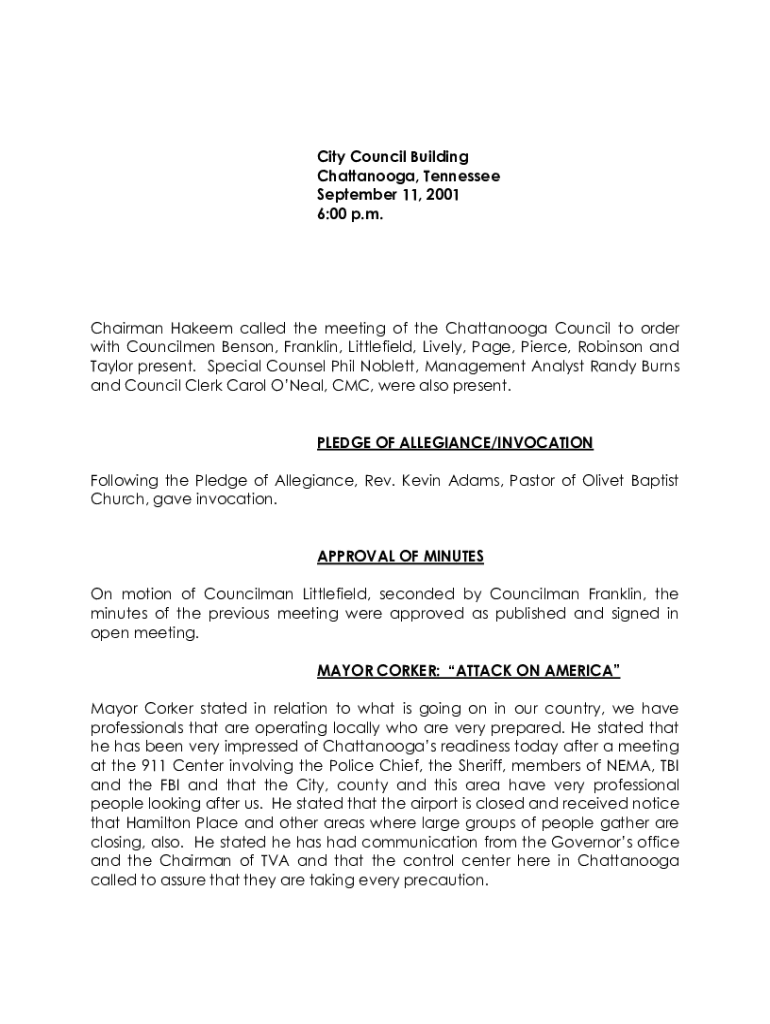
During the Chattanooga City Council meeting on September 11, 2001, the council focused discussions on essential items such as budget approval and property acquisitions while acknowledging the impact of national events. This demonstrated the building's role as a focal point for community-centered governance even amidst national disruptions.
By understanding the various aspects and uses of city council buildings, residents and officials alike can maximize their functionality and contribute to the effective governance of their communities.




