Definition and Meaning of 94% COLL
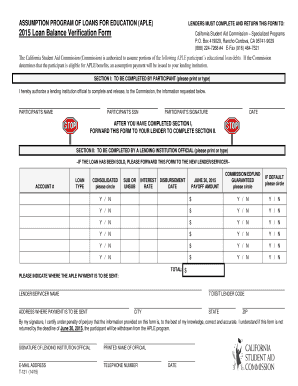
The term "94% COLL" is indicative of a specific form or financial document, which holds particular significance in collecting or reporting data related to revenue, taxes, or other financial elements. Understanding the exact context and framework of the "94% COLL" is crucial for accurate application and compliance. Within financial documentation, such phrases often align with percentage-based agreements or collection targets set by financial institutions or regulatory bodies. In general terms, it’s essential to comprehend how "94% COLL" might affect filing procedures, financial reporting, or compliance obligations.
How to Use the 94% COLL
To effectively utilize the "94% COLL", one must follow structured guidance to ensure adherence to all relevant regulations and requirements. Typically, using this form involves:
-
Understanding Requirements: Familiarize yourself with necessary prerequisites and the specific data or figures to report.
-
Filling Out the Form: Carefully populate all necessary sections, ensuring accuracy by cross-referencing data sources and maintaining precise records.
-
Compliance and Verification: Before submission, verify that the form meets all compliance standards and review it for accuracy and completeness.
-
Submitting the Form: Adhere to appropriate submission methods, whether online, by mail, or in-person, as dictated by the form-specific guidelines or governing bodies.
Steps to Complete the 94% COLL
Completing the "94% COLL" requires attention to detail and a methodical approach to ensure all necessary sections are filled out correctly. The process generally involves:
-
Preparation: Gather relevant documents and data, ensuring you have all necessary information at hand before beginning the form.
-
Data Entry: Enter data carefully, ensuring figures align with supporting documentation. Utilize any integrated guidance tools or online platforms if available.
-
Review and Confirm: Double-check entries for accuracy and completeness, correcting any identifiable errors or omissions.
-
Finalization: Execute final checks and comply with any specified guidelines to validate the form before submission.
Key Elements of the 94% COLL
Understanding the key components of the "94% COLL" is essential for correct and compliant completion. Critical elements often include:
-
Header Information: Such as personal or business identifiers, date, and purpose of the form.
-
Data Fields: Core areas requiring numerical or descriptive inputs, reflecting financial or tax figures pertinent to the specific purposes of the form.
-
Disclosure and Certification: Sections verifying the accuracy of the provided information, typically involving form sign-off by an authorized individual.
Legal Use of the 94% COLL
The "94% COLL" form can have legal implications depending on its use, especially in regulatory or financial reporting environments. It’s vital to:
-
Comply with Legal Standards: Understand the regulations applicable to this form’s usage, ensuring lawful compliance with data reports or filings.
-
Document and Audit Trail: Maintain records of completed forms and any correspondence with relevant authorities to ensure traceability and transparency.
-
Seek Legal Advice if Necessary: Consult with legal or financial experts to ensure full understanding and compliance with laws applicable to the "94% COLL".
Who Typically Uses the 94% COLL
Various individuals and entities may be required to use the "94% COLL" based on the context of this form. Generally, these could include:
-
Financial Institutions: Engaged in revenue reporting or compliance-related activities.
-
Businesses or Corporations: Required to meet specific financial collection or reporting obligations.
-
Government Bodies: Utilizing this form for regulatory compliance or revenue collection purposes.


Important Terms Related to 94% COLL
Acquainting oneself with associated terminology is crucial for effective usage of the "94% COLL". Frequently encountered terms include:
-
Collection Rate: Understanding '94%' as a benchmark or target figure for required collections or reporting.
-
Compliance Standards: Regulatory or legal norms the form must meet.
-
Submission Guidelines: Specific instructions detailing the process of form submission and required documentation.
Examples of Using the 94% COLL
Real-world scenarios illustrate the utility of the "94% COLL," demonstrating its practical application:
-
Example Scenario 1: A corporation uses the form to report annual revenue collection achieving a target of 94%, thereby fulfilling a regulatory benchmark.
-
Example Scenario 2: A financial institution documents collections detailed in the "94% COLL" form to align with financial audits and compliance verification processes.
Understanding these applications underscores the form's relevance in financial documentation and regulatory compliance.