






Definition and Purpose of the Application for Permit, Driver License, or Non-Driver ID
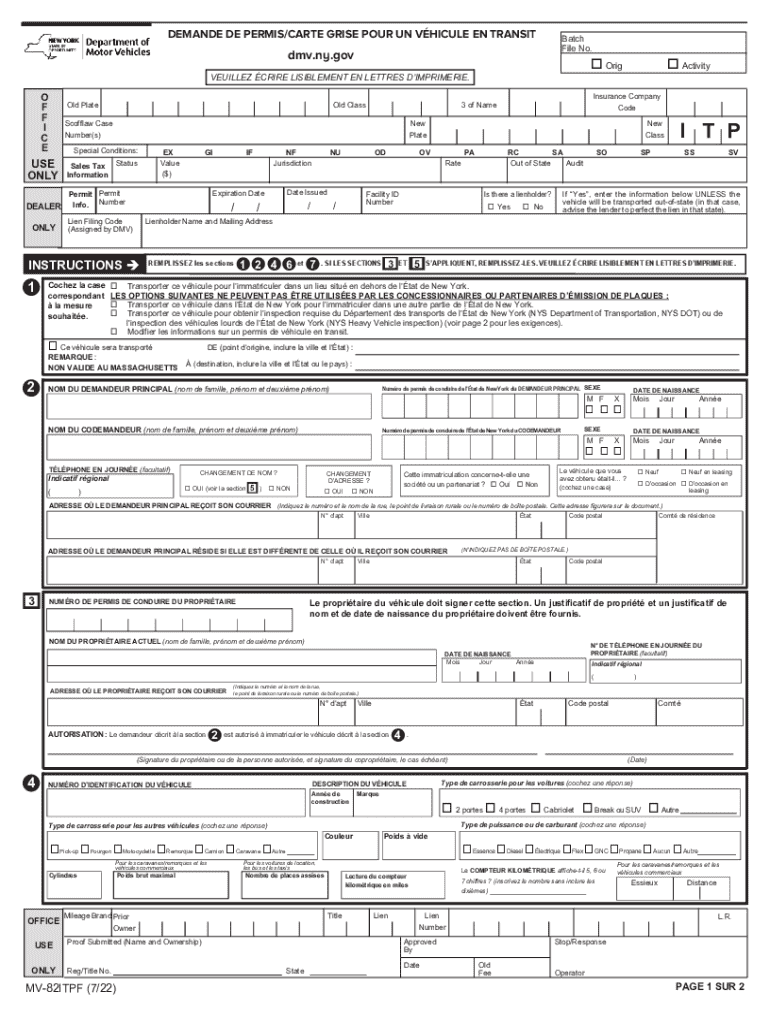
The "Application for Permit, Driver License, or Non-Driver ID" is a standardized form utilized across many states in the United States to apply for or renew a driving-related permit, a driver license, or a non-driver identification card. This form is essential for residents seeking to legally drive, update their official personal information, or obtain an identification that is state-recognized but not for driving purposes. The application is comprehensive and covers the necessary personal, legal, and logistical details required for processing within the state's Department of Motor Vehicles (DMV) or a similar entity.
Steps to Complete the Application
-
Personal Information Section: Begin by entering your full legal name, address, date of birth, and social security number. It's critical to ensure accuracy in this section, as even minor errors can result in processing delays or application rejection.
-
Choose Document Type: Indicate whether you are applying for a learner's permit, a driver's license, or a non-driver ID. Each option may have additional specific requirements or steps.
-
Proof of Identity and Residency: Provide the necessary documentation that proves your identity and residence. This could include a passport, birth certificate, utility bills, or other approved documents. The state's DMV website usually lists accepted documents.
-
Medical Certification: Some states may require a medical certification that attests to your ability to drive safely. Check if this section applies to your application type.
-
Sign and Date: Ensure the form is signed and dated accurately to validate the application. If the applicant is a minor, a parent or guardian may need to sign as well.
How to Obtain the Application Form
-
Online Download: Many state DMV websites offer an option to download the application form directly to your computer for easy printing.
-
Local DMV Office: Physical copies of the form can be obtained by visiting your local DMV office. This is also an opportunity to ask any questions you might have about the process.
-
Mail Request: In certain states, you might also request to have the form mailed to your address by calling your DMV's customer service line.
Required Documents and Identification
To complete the application process, you'll need to prepare several supporting documents:
- Proof of Identity: Such as a valid U.S. passport or birth certificate.
- Proof of Social Security Number: Typically your social security card or a W-2 form.
- Proof of Address: Like a utility bill or lease agreement that is no more than three months old.
- Additional Proofs: Depending on the state, other documentation may include immigration documents or a legal presence certificate.
Application Process and Approval Time
-
Submission: Applications can generally be submitted in person at a DMV office. Some states now allow for online submission or applications by mail.
-
Processing Time: The approval process can vary significantly depending on the state and the time of year. Typically, you can expect a processing period ranging from one to four weeks. It is advisable to plan accordingly, especially if you have a timeline by which you need the permit or license.
Key Elements of the Form
- Personal Verification: All applicants must verify the information provided matches DMV records.
- Vehicle Information: If applicable, include details about the vehicle you'll be operating.
- Consent to Release Information: The application may include a consent statement allowing the DMV to share or verify your data with other government entities.
Legal Use and Compliance
Having a valid driver license or identification through this application process allows you to:
- Legally drive a vehicle on U.S. roads, assuming all other legal and insurance requirements are met.
- Use your ID for official purposes, including air travel, voting (in certain states), or accessing government services.
- It's crucial to adhere to the legal restrictions and stipulations tied to your specific license type to avoid penalties.
State-Specific Rules and Variations
Different states have varied requirements and allowances for applications:
- Age Requirements: Some states have different minimum ages for certain types of permits or licenses.
- Testing Protocols: The written, vision, and practical driving test requirements can differ.
- Renewal Options: Certain states offer longer renewal periods or may allow automatic extensions under specific conditions.