
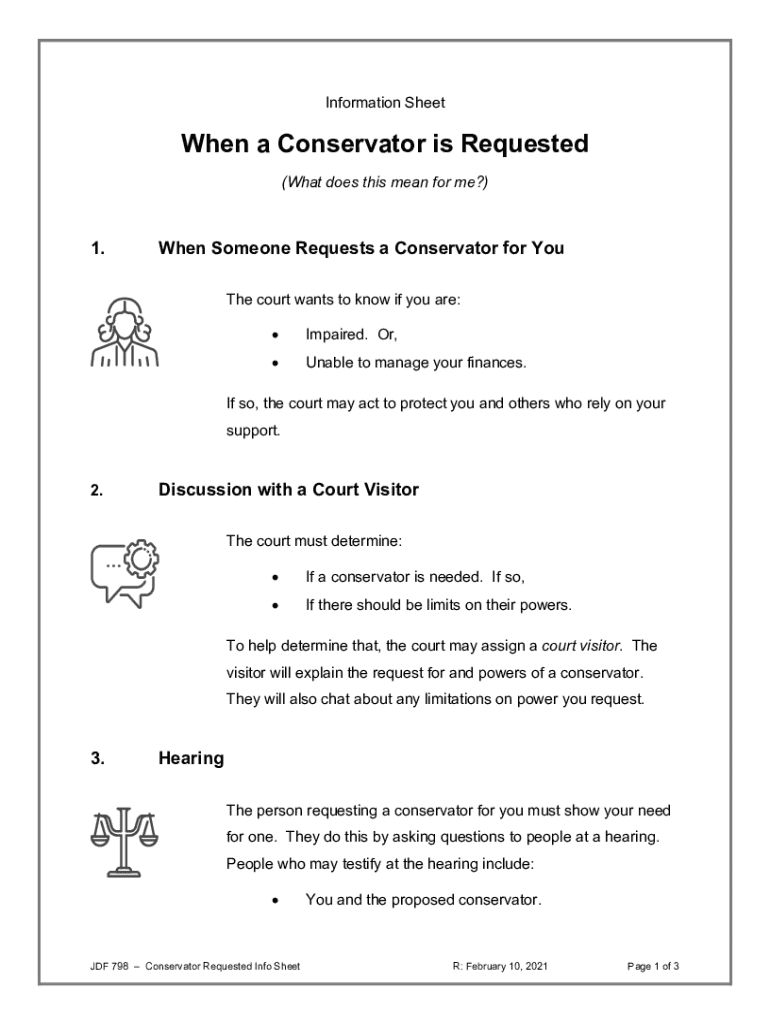







Definition and Meaning
The term "form online" refers to digital forms that can be accessed, completed, and submitted via the internet. These forms provide a streamlined alternative to traditional paper forms, allowing users to input data electronically and often in real-time. Online forms can include various types of input fields such as text boxes, radio buttons, and drop-down lists, enabling users to provide structured information efficiently.
Components of an Online Form
- Input Fields: Areas where users can enter data, such as names, addresses, and other relevant information.
- Interactive Elements: Include checkboxes, radio buttons, and dropdown menus that offer users different options to select from.
- Submission Features: Options to submit or reset the form, often linked to databases for data processing.
Context and Usage
Utilized in diverse fields such as finance, legal, educational, and governmental sectors, online forms are critical for data collection, applications, surveys, and service requests. They enable institutions to engage with users efficiently while reducing paperwork and processing time.
How to Use the Form Online
Utilizing an online form involves a systematic approach to ensure accuracy and compliance with intended requirements.
- Access the Form: Visit the designated website or platform offering the form. Ensure a stable internet connection.
- Review Instructions: Carefully read any provided guidelines or instructions to understand the form's purpose and required information.
- Enter Information: Fill out all relevant sections carefully. Tabs can be used to navigate between fields efficiently.
- Verify Data: Double-check all entered information to avoid errors that may delay processing or require resubmission.
- Complete and Submit: Click the submit button, ensuring that all mandatory fields are filled. Some forms may generate a confirmation receipt.
Tips for Effective Form Use
- Use the “tab” key to quickly move between fields.
- Save progress frequently if the form allows for data preservation for later completion.
- Use a secure network to protect sensitive information.
Steps to Complete the Form Online
Completing an online form effectively involves a logical sequence to ensure all aspects of the form are correctly addressed.
- Step One: Preparation: Gather all necessary documents and information needed for the form to prevent interruptions during completion.
- Step Two: Initial Access: Open the form using a compatible web browser. Ensure pop-up blockers do not inhibit access to any auxiliary instructions.
- Step Three: Entering Data: Input data into respective fields, ensuring adherence to specified formats (e.g., date formats or numeric fields).
- Step Four: Using Conditional Fields: Some forms may adjust visible fields based on previous entries. Carefully follow instructions and selections.
- Step Five: Final Review and Submission: Compare entered data with original documents for accuracy. Submit the form and retain any confirmations or tracking numbers for records.
Who Typically Uses the Form Online
Online forms cater to a wide array of users across various fields, enhancing efficiency and accuracy in data collection and processing.


Common Users
- Individuals: For applications, renewals, and personal data submissions.
- Businesses: For registering services, onboarding employees, and tax submissions.
- Educational Institutions: Student applications, registration, and feedback collections.
- Government Agencies: For public service requests, permits, and regional compliance reporting.

Advantages for Users
- Accessibility: Allows users to complete forms at their convenience without geographic constraints.
- Efficiency: Reduces the time spent on paperwork, enabling quicker processing and data management.
Key Elements of the Form Online
Online forms comprise several critical components that support their function and efficacy in data handling and submission.
- Field Validation: Ensures that data entered meets specific criteria before submission (e.g., email formats).
- Error Messaging: Provides feedback on incomplete or incorrectly filled fields to direct user corrections.
- Security Features: May include CAPTCHA verification, encryption for data protection, and confirmation prompts.
Best Practices
- Ensure the form employs strong encryption techniques, especially for sensitive data.
- Implement user-friendly error prompts to enhance the submission experience.
Examples of Using the Form Online
Online forms find application in numerous scenarios, demonstrating their versatility and necessity in the digital age.
Use Cases
- Job Applications: Prospective employees can submit their resumes and cover letters via online forms.
- Customer Feedback: Businesses use forms to collect customer opinions and improve services.
- Medical History: Patients can fill out relevant health information prior to appointments for easier processing.
Real-World Scenario
A government agency may provide an online form for citizens to apply for permits or licenses, offering checklists and downloadable guidelines to assist in form completion.
Software Compatibility
Online forms must be compatible with a range of software applications to ensure usability and integration with existing systems.
- Browser Compatibility: Works seamlessly across major web browsers, including Chrome, Firefox, Safari, and Edge.
- Integration with Third-Party Platforms: Can connect with tools like Google Forms, JotForm, and DocHub, enabling advanced features and storage options.
Considerations
- Testing forms in different environments ensures they appear and function correctly across platforms.
- Compatibility with assistive software expands form availability to users with disabilities.
Legal Use of the Form Online
The legal implications of using online forms are significant, particularly concerning data privacy and security compliance.
Regulatory Compliance
- Data Protection Laws: Forms must comply with regulations like the General Data Protection Regulation (GDPR) for European users and equivalent U.S. standards.
- Electronic Signature Laws: Online forms that require signatures must adhere to laws such as the U.S. ESIGN Act.
Legal Safeguards
- Employ consent forms to indicate users' agreement to terms and conditions.
- Utilize encrypted transmissions for data protection.




