





Definition and Meaning
The concept of "form online" refers to digital documents or templates designed to collect, manage, or present information electronically through the internet. Unlike traditional paper forms, these online versions are created and processed using software platforms, enabling users to fill them out and submit them virtually. They are integral in areas such as applications, registrations, surveys, and legal agreements. The transition from paper to online forms revolutionizes data management by increasing efficiency, accessibility, and accuracy.
Digital Transformation of Forms
The movement towards online forms signifies a shift in how businesses and individuals handle paperwork. This digital age innovation eliminates the physical limitations and delays associated with paper forms. Online forms streamline processes by automatically validating information and making electronic document management more straightforward. For instance, online job applications, registration forms, or surveys allow for instant data transfer and analysis, ensuring quick responses and decision-making.
How to Use the Form Online
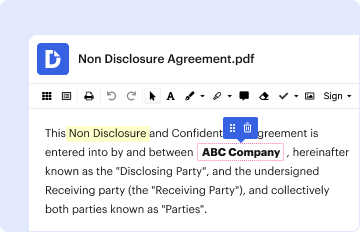
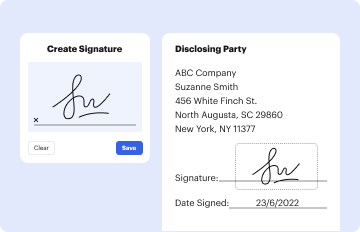
Using an online form involves accessing the form through a web-based platform like DocHub, completing the required fields, and submitting it electronically. This method is particularly user-friendly as it typically guides users through step-by-step entries, often with real-time feedback on errors or omissions.
Steps in Completing an Online Form
- Access the Form: Navigate to the relevant website or receive the form link via email.
- Fill Out Required Information: Complete the fields as directed, relying on instructions embedded within the form.
- Review and Confirm Details: Double-check entries for accuracy and completeness.
- Submit the Form: Once verified, submit the form through the provided button, triggering confirmation via email or on-screen notification.
Practical Example
Consider a scenario where an individual applies for a business license online. The entire application can be done remotely, with prompts to upload necessary documents, such as identification and proofs of business operation, ensuring comprehensive submission without visiting an office in person.
Steps to Complete the Form Online
Completing an online form efficiently requires following a structured progression that guarantees all critical elements are correctly entered and submitted.
- Preparation: Gather all necessary documents and information.
- Initial Access: Open the form via a provided URL or platform.
- Data Entry: Systematically fill in all mandatory fields.
- Attachments: If necessary, attach supporting documents like scans or images.
- Verification: Confirm all entered information is accurate, and correct any flagged errors.
- Final Submission: Complete the process by clicking 'submit,' ensuring acknowledgment or receipt is confirmed.
Key Elements of the Form Online
An effective online form includes several fundamental components to ensure clarity and functionality.
- Header: Title and description for context.
- Input Fields: Include text boxes, drop-downs, checkboxes, which capture user responses.
- Submit Button: Finalizes and sends the completed information.
- Instructions: Guidance sections or tooltips explaining how to fill out the form.
- Validation Checks: Automatically flags incorrect or incomplete entries.
Legal Use of the Form Online
Online forms must comply with legal frameworks to ensure authenticity and protect users' information. This involves adhering to data protection regulations like the GDPR or California's CCPA, which dictate consent and data management practices.
Compliance Essentials
- Privacy Policy: Clearly communicating how user data is collected, used, and stored.
- Secure Transmission: Use of SSL encryption to protect data in transit.
- User Consent: Requiring users to agree to terms through checkboxes or explicit actions.
Examples of Using the Form Online
Various sectors rely on online forms to enhance operations, from government services to private enterprises.
- Government and Regulation: Tax filings, permit applications, and census data collection.
- Education: College applications, surveys, and course registrations.
- Healthcare: Patient intake forms, insurance claims, and appointment scheduling.
Software Compatibility
Online forms should be designed to function across a vast array of software and platforms to maximize accessibility.
Ensuring Broad Compatibility
- Browsers: Compatible with major web browsers like Chrome, Firefox, and Safari.
- Mobile Devices: Responsive design to function on smartphones and tablets.
- Integration with Software: Supports data import/export with programs like QuickBooks or TurboTax for seamless financial transactions and reporting.
Form Submission Methods
Submitting forms can adapt to various preferences, depending on the user's access to technology and personal choice.
- Online Submission: Most efficient and immediate, directly through platforms like DocHub.
- Mail Submissions: For forms that require physical entries or supporting documents by post.
- In-Person Submissions: Necessary for forms requiring physical presence or additional verification, such as identity check or notarization.
State-Specific Rules for the Form Online
In the United States, some forms may be subject to modifications or enhancements depending on state regulations.
Navigating State Variations
- Differing Regulations: Awareness of any additional state requirements or supplementary documents.
- Localized Instructions: Providing state-specific guidance within the form to ease compliance.
- Exceptions and Exemptions: Understanding scenarios where state laws diverge from federal regulations.
Filing Deadlines / Important Dates
Time-sensitive forms must meet specific deadlines to maintain compliance and avoid penalties.
Managing Deadlines
- Automated Reminders: Integrate alert systems to notify users of pending deadlines.
- Calendar Integration: Allow synchronization with user calendars for timely completion and submission.
- Grace Periods: Outline any available grace periods or extensions for late submissions.
By following these comprehensive guidelines, users can maximize the utility and efficiency of online forms, ensuring they are completed accurately, timely, and securely.