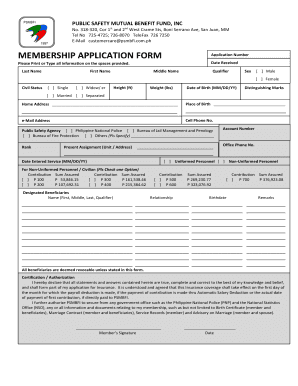
Request for Proposal 2026

Get Form
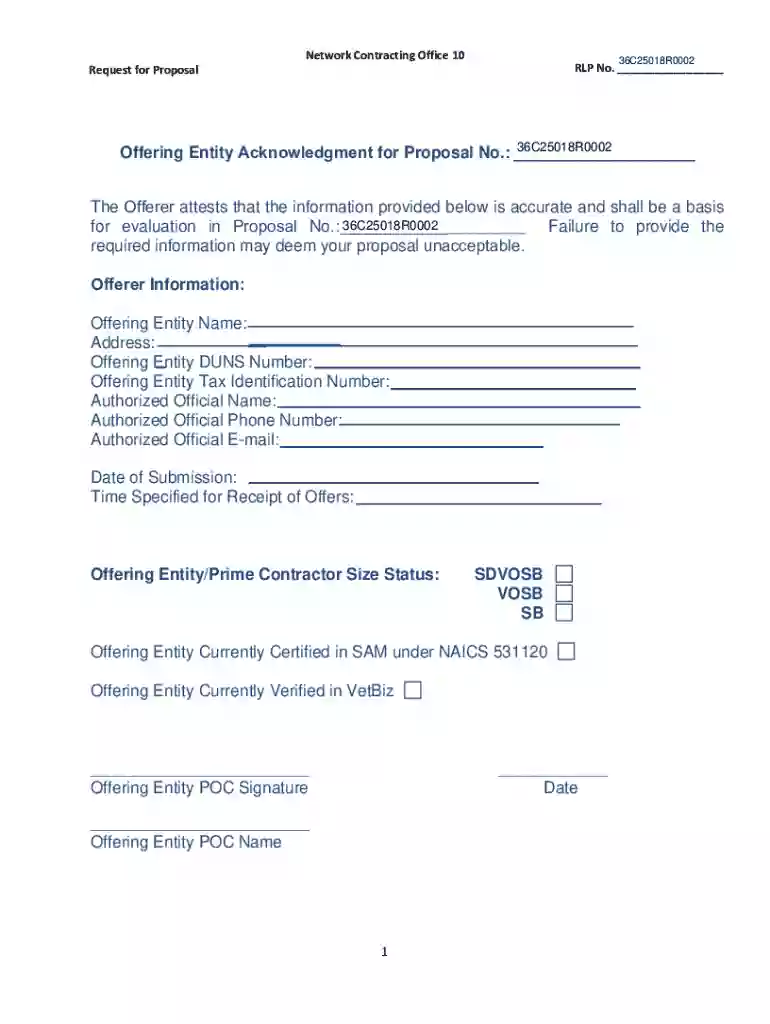
Request for Proposal Preview on Page 1

Here's how it works

01. Edit your form online
Type text, add images, blackout confidential details, add comments, highlights and more.

02. Sign it in a few clicks
Draw your signature, type it, upload its image, or use your mobile device as a signature pad.

03. Share your form with others
Send it via email, link, or fax. You can also download it, export it or print it out.

The Request for Proposal: Definition & Meaning

A Request for Proposal (RFP) is a formal document issued by organizations seeking proposals from potential suppliers or service providers for specific projects. RFPs delineate precise requirements and criteria that bidders must meet to be considered for the project. The purpose of an RFP is to encourage competition, ensure transparency, and acquire detailed insights into potential solutions that vendors propose. RFPs typically include sections that define the scope of work, project timeline, evaluation criteria, and submission guidelines. This standardized process aids organizations in making informed decisions by enabling them to compare various bids analytically.

Key Elements of the Request for Proposal

Each RFP document contains several crucial components designed to convey comprehensive project details:

  • Project Scope: Clearly defines what the project entails, including deliverables and milestones.
  • Submission Guidelines: Offers instructions on how proposals should be submitted, including format and deadlines.
  • Evaluation Criteria: Lists the benchmarks and metrics that will be used to assess each proposal's effectiveness.
  • Budget Constraints: Provides budgetary limits and expectations for cost structures.
  • Contract Terms: Outlines the legal conditions and clauses that proposals must comply with.
  • Contact Information: Includes details for communication purposes during the proposal phase.

Understanding these elements enables vendors to tailor their submissions more effectively to meet client expectations.

Steps to Complete the Request for Proposal

Completing an RFP requires a structured approach to ensure all necessary information is accurately presented:

  1. Understand the Requirements: Thoroughly review the RFP document to comprehend the project needs and submission guidelines.
  2. Research and Gather Information: Collect data about the company issuing the RFP to tailor your proposal effectively.
  3. Develop a Solution: Design a strategic approach that aligns with the project's goals and requirements.
  4. Draft the Proposal: Organize the proposal by covering all RFP sections, ensuring clarity, precision, and alignment with specified criteria.
  5. Review and Edit: Carefully proofread the proposal to eliminate errors and enhance the overall quality of the submission.
  6. Submit Before the Deadline: Ensure the proposal is submitted in the correct format and within the specified timeframe.

Important Terms Related to Request for Proposal

Familiarity with relevant terminology is essential for navigating the RFP process effectively:

  • Bidder: A company or individual seeking to win the contract by submitting a proposal.
  • Contractor: The entity that will execute the project once the proposal is accepted.
  • Vendor: Another term for a bidder or service provider responding to the RFP.
  • Specifications: Detailed requirements of the RFP, including technical and functional needs.
  • Compliance: The requirement that all standards and regulations outlined in the RFP are met in proposals.

Understanding these terms is critical when interpreting RFP documentation and preparing a compelling proposal.

Who Typically Uses the Request for Proposal

RFPs are primarily utilized by organizations and entities seeking external expertise for projects they cannot or prefer not to complete internally:

  • Government Agencies: Often use RFPs for large-scale public projects, requiring compliance with rigorous regulations.
  • Large Corporations: Utilize RFPs to solicit creative and efficient solutions for business projects.
  • Nonprofit Organizations: Engage vendors via RFPs to maximize budget usage and project outreach.
  • Educational Institutions: Issue RFPs for infrastructure projects or educational technology needs.

These entities opt for RFPs to ensure diverse and comprehensive proposals that offer a range of solutions.


decoration image ratings of Dochub

Software Compatibility with Request for Proposal Processes

Enhancing RFP workflows often involves leveraging software for document management and communication efficiency:

  • DocHub: An online platform that streamlines document editing, signing, and collaboration, compatible with RFP processes.
  • Google Workspace Integration: RFP documents can be effortlessly managed using Google Drive and Gmail for seamless input/output operations.
  • Collaborative Tools: Platforms like Slack or Microsoft Teams facilitate clear communication channels among team members and stakeholders.

Utilizing these digital tools assists in maintaining an organized and efficient RFP process, supporting timely and accurate proposal submissions.

Legal Use of the Request for Proposal

An RFP has specific legal connotations, ensuring all transactions are transparent and compliant with legal standards:

  • Compliance with Regulations: RFPs must align with legal frameworks, like contract laws and industry standards, to ensure participants' adherence to lawful practices.
  • Contract Formation: While an RFP is not a contract itself, it sets a foundation for contractual agreements. Accepted proposals proceed to formal contract discussions.
  • Non-discrimination Policies: RFPs often encompass clauses forbidding bias based on race, gender, or other protected categories.

These legal dimensions ensure that RFP processes are fair, competitive, and accountable to all parties involved.

Variations or Alternatives to the Request for Proposal

While RFPs are comprehensive, other documents can serve similar functions under varying circumstances:

  • Request for Information (RFI): Used to gather preliminary information about available services or solutions before issuing an RFP.
  • Request for Quotation (RFQ): Focuses on price quotations for specific items needed for a project, often used after an RFP narrows down vendor choices.
  • Invitation to Tender (ITT): Primarily used in the construction industry, similar to an RFP but with more detailed and formal bidding processes.

Choosing the appropriate document type is crucial, as each serves distinct purposes within the procurement framework.

be ready to get more

Complete this form in 5 minutes or less

Get form

Got questions?

We have answers to the most popular questions from our customers. If you can't find an answer to your question, please contact us.
Contact us
Evaluation The last step of the RFP process is to review the vendor proposals, compare them and select a winner. Its crucial to engage stakeholders in this process to provide their perspective and expertise.
The goal of an RFP is to help the design team make a decision on the best contractor or supplier to perform the work. It does this by setting expectations for what information should be included in the proposal, as well as to outline the work to be completed by the contractor.
An RFP writer makes the RFP for an agency or an organization looking to offer government contracting or a business looking to get the best bid. Extensive experience in securing government contracts and understanding the intricate government buying process is crucial for success.
What Does RFP Mean? A request for proposal (RFP) is an open request for bids to complete a new project proposed by the company or other organization that issues it.
Generally, businesses use an RFQ when they already know the exact product or service they need, and all they are looking for is the price. An RFP may be used when a business isnt entirely sure what they need. Theyre requesting vendors to send in a proposal outlining how they would solve the given problem.

Security and compliance

At DocHub, your data security is our priority. We follow HIPAA, SOC2, GDPR, and other standards, so you can work on your documents with confidence.
Learn more
ccpa2
pci-dss
gdpr-compliance
hipaa
soc-compliance
be ready to get more

Complete this form in 5 minutes or less

Get form

People also ask

What are the 7 steps in writing an RFP? Introduce the company and project. Outline project background. Provide bid deadline and proposal timeline. Specify budget. Outline project scope. Express concerns or roadblocks. Explain evaluation criteria.
Requests for proposal (RFPs) are how government agencies, nonprofits, and certain other organizations find contractors to complete their projects. An RFP contains a description of the proposed project, its budget, timeline, and other details, and invites qualified contractors to place bids.
However, when you say the long-form request for proposal, you will switch back to a request for proposal to match the pronunciation. This is one of many details that we have to look out for when writing and reviewing proposals. While a RFP might look correct on paper, an RFP is considered grammatically correct.

Related links