




01. Edit your form online
Type text, add images, blackout confidential details, add comments, highlights and more.

Type text, add images, blackout confidential details, add comments, highlights and more.

Draw your signature, type it, upload its image, or use your mobile device as a signature pad.

Send it via email, link, or fax. You can also download it, export it or print it out.
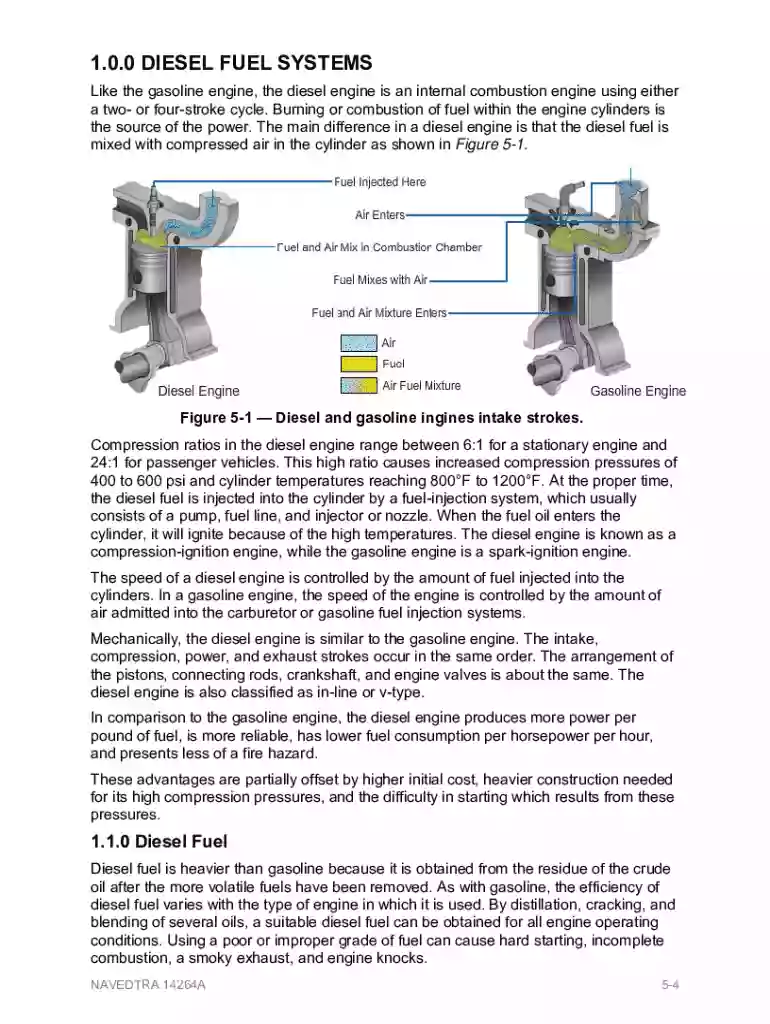
Common rail diesel systems are advanced fuel injection technologies used in diesel engines, allowing for precise control of fuel delivery. These systems are critical for optimizing engine performance, reducing emissions, and enhancing fuel efficiency. By understanding the fuel system basics, such as the function of injectors and fuel pumps, users can diagnose and troubleshoot no-start issues effectively. This knowledge is essential for ensuring engine reliability and longevity.
The primary components of a common rail diesel system include the high-pressure fuel pump, rail, injectors, and various sensors. Each part plays a crucial role in the correct functioning of the system. The high-pressure pump delivers fuel to the rail, which stores it until needed. Injectors receive signals from the engine control unit (ECU) to deliver the precise amount of fuel directly into the combustion chamber at the optimal time. Understanding these components and their interactions can help in identifying issues that cause starting problems.
Diagnosing no-start issues in a common rail diesel system involves several steps. The process begins with checking the fuel supply, ensuring that the vehicle has adequate fuel and that the line is free of blockages. Next, verify the functionality of sensors and the ECU, as they are pivotal in controlling injection timing and quantity. A detailed inspection of injectors and the high-pressure pump is crucial, as faults in these can directly lead to starting problems.
Understanding key terms is critical for working with common rail diesel systems. "Injection timing" refers to when fuel is injected into the combustion chamber, while "rail pressure" denotes the pressure at which fuel is stored before being injected. "ECU mapping" involves software configurations that govern how fuel delivery is managed. Familiarity with these terms enhances the ability to effectively manage and maintain diesel fuel systems.
In the United States, the legal use of diesel fuel systems is regulated by emissions standards set by organizations such as the Environmental Protection Agency (EPA). Compliance with these standards ensures that engines do not exceed permissible pollution levels. It is important for users to regularly maintain their fuel systems and adhere to legislation to avoid penalties and ensure environmental protection.
When servicing or replacing components in a common rail diesel system, certain documentation may be required to ensure compliance with emissions standards and warranty requirements. Documents such as maintenance logs and records of part replacements are crucial. Submissions can often be completed online through manufacturer portals, or in-person at authorized service centers for physical verification.
In real-world applications, common rail diesel systems are prevalent in commercial trucks, agricultural machinery, and passenger cars. Case studies reveal that regular maintenance significantly reduces the occurrence of no-start issues. For instance, a trucking company implementing routine checks on their fleet’s diesel systems reported a 30% reduction in engine failures over two years, highlighting the importance of understanding system basics.
For those managing fleet vehicles or performing diesel engine diagnostics, compatibility with software solutions like diagnostic tools can enhance maintenance efficiency. Tools tailored for diesel systems allow for real-time monitoring of system performance and facilitate quicker diagnosis of issues. These software solutions often interface directly with the vehicle’s ECU, providing insights into system health and performance metrics.
At DocHub, your data security is our priority. We follow HIPAA, SOC2, GDPR, and other standards, so you can work on your documents with confidence.

Jul 2, 2019 Removing the -N290- Fuel Metering Valve to inspect for metallic particles should only be considered as a last step after all GFF diagnostic
Apr 20, 2025 Inspect the fuel system for clogged filters, cracked fuel lines or air leaks. Bleed the fuel system if necessary to remove trapped air
Common Rail Fuel System 9 The basic fuel system, common to all Cat diesel engines, includes an engine


