Definition and Meaning
An Individual Care Plan (ICP) is a detailed document that outlines personalized care strategies for infants, toddlers, and twos. This plan aims to provide caregivers and families with a structured approach to managing a child's daily routines and care needs. Elements such as arrival and departure times, diapering and toileting habits, and sleeping patterns are documented to ensure consistent and customized care. By using an ICP, caregivers can better understand each child's unique requirements, leading to improved communication and care delivery.
Key Elements of the Individual Care Plan
The effective utilization of an individual care plan hinges on several core components. Important elements include:
- Daily Routines: Outlining routines such as feeding times, sleep schedules, and activity preferences ensures that the child's day is predictable and meets their individual needs.
- Health and Safety Information: Details regarding allergies, medical conditions, and emergency contacts must be included to guarantee the child's safety.
- Developmental and Educational Goals: Setting clear goals helps track progress in areas like social skills and cognitive development.
Each of these elements is essential in creating a comprehensive plan tailored to the specific needs of the child.
How to Use the Individual Care Plan
To effectively use the individual care plan, caregivers and families should follow a set of systematic steps:
- Initial Assessment: Begin with a comprehensive assessment of the child's needs and habits.
- Collaboration with Families: Engage in discussions with family members to gather additional input and align on care strategies.
- Documentation: Clearly document all the essential details that the care plan will cover, ensuring accuracy and thoroughness.
- Implementation: Consistently apply the strategies outlined in the plan in daily care routines.
- Review and Update: Regularly review the plan and update it as needed to reflect any changes in the child’s routines or developmental milestones.
These steps create a dynamic and effective system for individualized care management.
Who Typically Uses the Individual Care Plan
An individual care plan is generally utilized by a range of stakeholders involved in a child’s care:
- Parents and Guardians: Play a primary role in providing initial information and feedback on effectiveness.
- Child Caregivers: Implement the daily activities and care strategies outlined in the ICP.
- Health Professionals: Offer insights and adjustments based on the child's physical and mental health needs.
- Educators: May use the plan to align educational activities with developmental goals outlined in the care plan.
Each group engages with the ICP to ensure comprehensive and cohesive care for the child.


Steps to Complete the Individual Care Plan
Completing an individual care plan involves several key steps:
- Gathering Information: Collect all necessary details about the child's habits, health, and preferences.
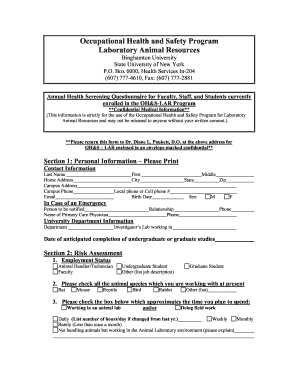
- Form Filling: Use the gathered information to fill out the care plan form, ensuring all sections are completed.
- Verification: Double-check the information provided for accuracy and completeness.
- Communication with Stakeholders: Share the completed care plan with all relevant parties to ensure everyone is informed.
- Feedback and Finalization: Obtain feedback and make necessary adjustments before finalizing the plan for implementation.
This systematic approach helps ensure that the care plan is both accurate and effective.
Examples of Using the Individual Care Plan
Practical examples of using an individual care plan include:
- Managing Dietary Needs: A child with food allergies benefits from a detailed meal plan included in the ICP.
- Adjusting Sleep Schedules: For a child with irregular sleep patterns, caregivers implement specific nap routines to improve sleep quality.
- Behavioral Strategies: A child with social anxiety could have a plan outlining gradual exposure to group activities.
These scenarios illustrate how an individual care plan can be tailored to address specific child care challenges.
Important Terms Related to Individual Care Plan
Understanding key terms is crucial for maximizing the utility of an individual care plan:
- Customization: Refers to tailoring the care plan to fit the unique needs of each child.
- Collaboration: The process of parents, caregivers, and professionals working together to create and implement the care plan.
- Implementation: The day-to-day application of strategies outlined in the ICP.
Familiarity with these terms ensures that all involved parties can effectively communicate and work together.
Who Issues the Form
The responsibility for issuing the individual care plan generally lies with child care centers, educational institutions, or health care providers. They provide structured templates that align with health and safety regulations, ensuring compliance and uniformity. These organizations gather necessary information from parents and other stakeholders during the child's intake process or initial assessment phase.
Recognizing who is responsible for issuing and managing the care plan contributes to a more efficient and effective process of creating and maintaining individualized care for children.