Definition & Meaning
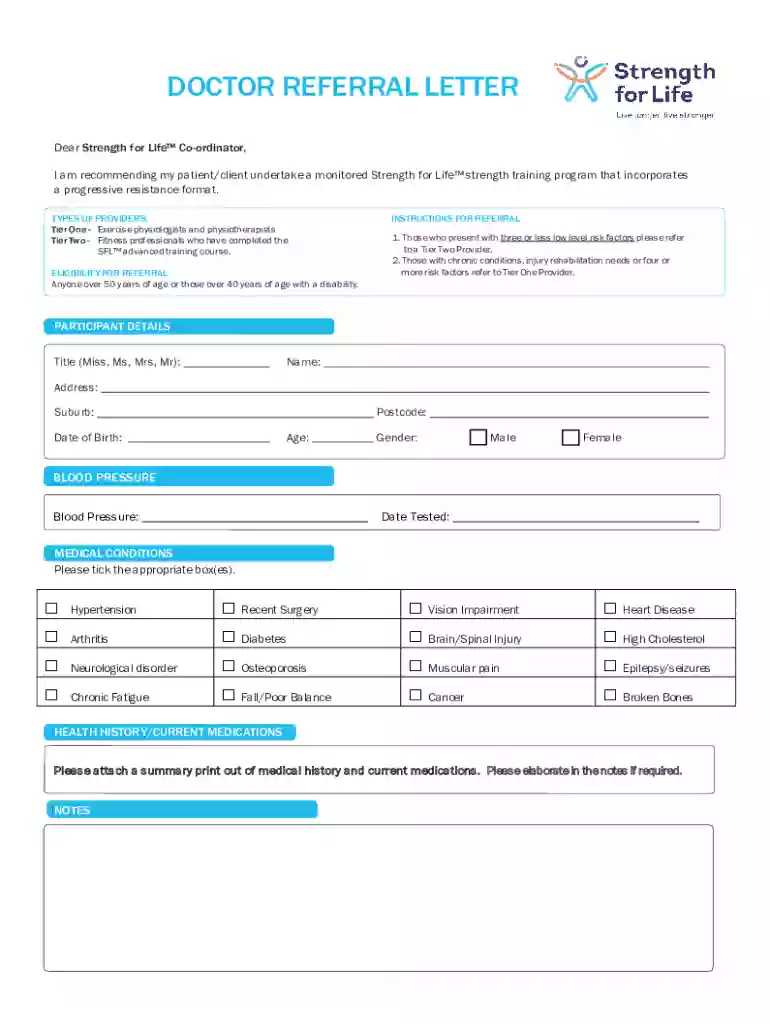
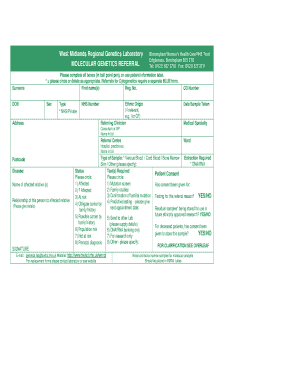
The "5+ Referral letters from DoctorFind Word LettersFDA Releases Final Guidance on Dear Doctor Letters T" essentially refers to a collection of documents utilized primarily within the healthcare domain to facilitate efficient patient referrals. Typically, a referral letter from a healthcare provider, such as a doctor, highlights the reasons for referring a patient to another specialist or healthcare service, the patient's medical history, and any pertinent clinical findings. Understanding the meaning and purpose of these letters is crucial, as they serve as formal documentation ensuring continuity of care and comprehensive patient management across various healthcare settings.
How to Use the Referral Letters
Referral letters serve multiple purposes, such as facilitating specialist consultations, coordinating care, or transitioning between different levels of healthcare services. To effectively utilize these letters:
- Identify the Need for Referral: Determine if the patient requires further assessment or treatment that lies outside the referring doctor's scope of practice.
- Select the Appropriate Specialist: Choose a healthcare provider with the relevant specialization to address the patient's condition.
- Provide Comprehensive Information: Include the patient's medical history, current diagnosis, treatment plans, and any investigative reports.
- Ensure Communication is Clear: Articulate the specific reasons for referral and any questions the referring doctor seeks to have addressed.
- Follow-up Plan: Indicate any follow-up required from the specialist back to the referring provider for ongoing patient management.
Steps to Complete the Referral Letters
Creating a referral letter involves several key steps to ensure accuracy and completeness:
- Collect Patient Data: Secure all necessary personal and medical data, including demographics and insurance details.
- Outline Medical History: Summarize the patient's medical background, ongoing issues, and previous interventions.
- State the Purpose of Referral: Clearly explain why the patient is being referred and the expected outcomes.
- Specify the Specialist's Role: Detail what assessments or treatments are anticipated from the specialist.
- Finalize and Send: Review the letter for any errors, confirm accurate contact details, and send it to the specialist and the patient.
Key Elements of the Referral Letters
Referral letters must incorporate several critical elements to ensure they are comprehensive and useful:
- Patient Information: Name, age, contact information, and identification number.
- Referring Doctor's Details: Name, credentials, and contact information.
- Medical History: Summarized in a clear and concise manner.
- Reason for Referral: Explicitly stated with the expectation of specialist input.
- Current Medications and Treatment: List any medications and treatments currently being administered.
- Follow-up Actions: Instructions for the specialist regarding communication back to the referrer.
Who Typically Uses Referral Letters
Referral letters are primarily used by healthcare providers such as general practitioners, specialists, and allied health professionals. These letters are essential:
- In Primary Care Settings: By general practitioners referring patients to specialists for advanced care.
- In Specialist Clinics: Where specialists might refer patients back to general practitioners for ongoing management after specialized treatment.
- In Hospitals: During patient transitions between different units or to external healthcare providers for continuity of care.
Legal Use of Referral Letters
In the United States, referral letters have specific legal requirements to ensure patient confidentiality and effective communication:
- HIPAA Compliance: Maintain the patient's privacy and confidentiality under the Health Insurance Portability and Accountability Act (HIPAA).
- Informed Consent: Ensure patients understand why they are being referred.
- Accurate Record-Keeping: Document the referral and the reason for it in the patient's medical record.
- Authorized Information Sharing: Share only information pertinent to the patient's care and with authorized personnel.
Examples of Using Referral Letters
There are several practical scenarios illustrating the use of referral letters:
- Chronic Condition Management: A general practitioner refers a patient with diabetes to an endocrinologist for specialized care.
- Surgical Assessment: Referral from the primary care physician to a surgeon for evaluation of a condition requiring operative intervention.
- Therapeutic Support: Referral of a patient to a physiotherapist for rehabilitation post-injury.
Required Documents for Preparing Referral Letters
To draft a thorough referral letter, several documents are essential:
- Patient Medical Records: Comprehensive records of past and present medical conditions.
- Diagnostic Reports: Results from recent tests or imaging that support the referral.
- Insurance Details: Includes coverage information for referral transparency.
- Consent Forms: Documentation that the patient has agreed to the referral process.
State-Specific Rules for Referral Letters
Each state may have distinct regulations and practices regarding the creation and use of referral letters. Key differences may include:
- Varying Scope of Practice: Differences in what practitioners can perform or who can issue referrals.
- Insurance Requirements: Variation in policies for requiring referrals, especially for specialists.
- Document Formats: State-specific guidelines on how referral letters should be structured or submitted, including electronic and paper formats.
Understanding these differences is crucial for ensuring legal compliance and efficient patient care across state lines.