
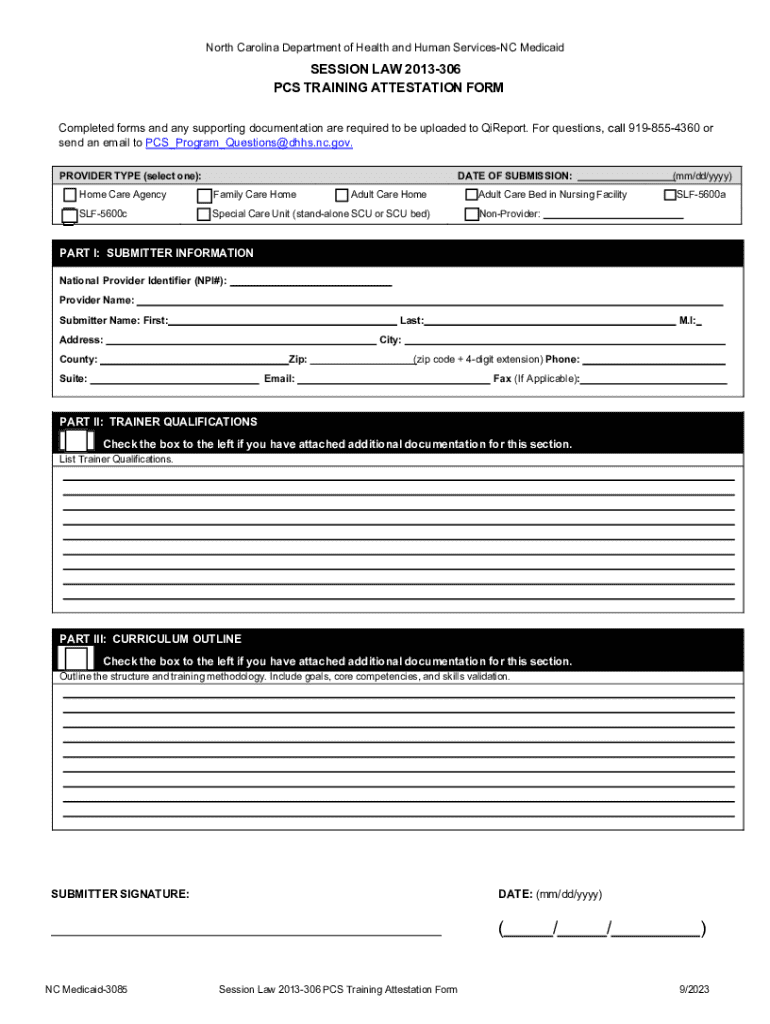







Definition and Purpose of the DHB Auditing Process
The DHB Auditing Process involves a comprehensive review of documents to ensure compliance with NC Medicaid guidelines. It focuses on verifying the accuracy of provider submissions through forms like the 3136 and 3085, which are essential for transparency and accountability. This auditing ensures that Medicaid funds are used appropriately and comply with federal and state regulations.
- NC Medicaid 3136 Form: This form is used mainly for collecting detailed reports from providers about services rendered to Medicaid beneficiaries.
- NC Medicaid 3085 Form: Primarily involved in financial reporting, it ensures providers accurately document expenses related to Medicaid services.
How to Use the DHB Auditing Process Forms
Using the DHB Auditing Process forms requires a systematic approach to filling them accurately. Follow these steps to ensure a comprehensive submission:
- Gather Required Information: Collect all necessary documents including service records, financial statements, and supporting materials.
- Accurate Data Entry: Fill in provider details, service dates, and client information meticulously to prevent errors.
- Review and Validate: Double-check for consistency and accuracy. Errors can delay processing or lead to non-compliance penalties.
- Submit Forms: Depending on your submission preference, you can either mail or submit them electronically via approved platforms.
Steps to Complete the Forms Correctly
Completing the DHB Auditing Process forms correctly involves attention to detail and adherence to guidelines.
- Understand Form Requirements: Before beginning, read through the instructions provided with each form to understand expectations.
- Complete Provider Details: Enter your details exactly as they appear on your Medicaid registration.
- Service and Financial Reporting: Accurately itemize the services provided and expenses incurred.
- Sign and Authenticate: Ensure the form is signed where necessary to confirm authenticity and compliance.
- Compile Supporting Documents: Attach necessary documents to support entries on the forms. This aids in verifying reported data.
Key Elements of the Forms
Understanding the key elements of the NC Medicaid forms 3136 and 3085 is crucial for filling them out accurately:
- Provider Information Section: Includes name, address, and identification number of the service provider.
- Service Details Section: Requires detailed descriptions and dates of services provided to Medicaid recipients.
- Financial Reporting Section: Details on expenditures related directly to the services provided under Medicaid programs.
- Attestation of Accuracy: A signature section to attest to the truthfulness and accuracy of the information provided.
Who Uses the DHB Auditing Process and Forms
The primary users of the DHB Auditing Process and its forms include:
- Healthcare Providers: Individual doctors or institutions rendering services to Medicaid beneficiaries.
- Administrative Staff: Personnel responsible for financial reporting and compliance within medical facilities.
- Audit Officers: State-employed officers who review and ensure the accuracy of submissions.
Important Terms Related to the Process
Understanding specific terms is vital to navigating the auditing process:
- Beneficiary: An individual who receives Medicaid services.
- Compliance: Adhering strictly to set regulations and guidelines.
- Reimbursement: Payment made to providers for services rendered, dependent on correct form submission.
Legal Use and Compliance
Ensuring legal compliance with the DHB Auditing Process requires:
- Adherence to Guidelines: Strictly following the instructions laid out in the auditing process.
- Confidentiality: Keeping patient and financial information secure and private.
- Timely Submission: Submitting forms within stipulated deadlines to avoid penalties or loss of reimbursement.
Examples and Real-World Scenarios
Consider these practical examples for more clarity:
- Scenario 1: A healthcare provider in North Carolina is required to submit form 3136 to report services provided to Medicaid patients. Accurate data ensures the provider receives proper reimbursement.
- Scenario 2: A medical facility miscalculates expenses in form 3085, leading to a delay in reimbursement until corrections are made.
Required Documents for Submission
When submitting the DHB Auditing Process and associated forms, include:
- Patient Records: Documentation of services provided to each beneficiary.
- Financial Statements: Detailed reports of expenses related to service delivery.
- Supporting Documentation: Any additional documentation that supports entries in the forms, such as receipts or detailed invoices.
Submission Methods: Online or Mail
You can submit forms for the DHB Auditing Process through:
- Online Platforms: Secure portals provided by Medicaid for electronic submissions.
- Postal Mail: For those preferring physical submission, follow guidelines for postal submission comprehensively to avoid delays.
This content ensures that users of the DHB Auditing Process and forms understand the comprehensive scope and detailed requirements necessary for correct and compliant form usage.




