




Definition and Meaning
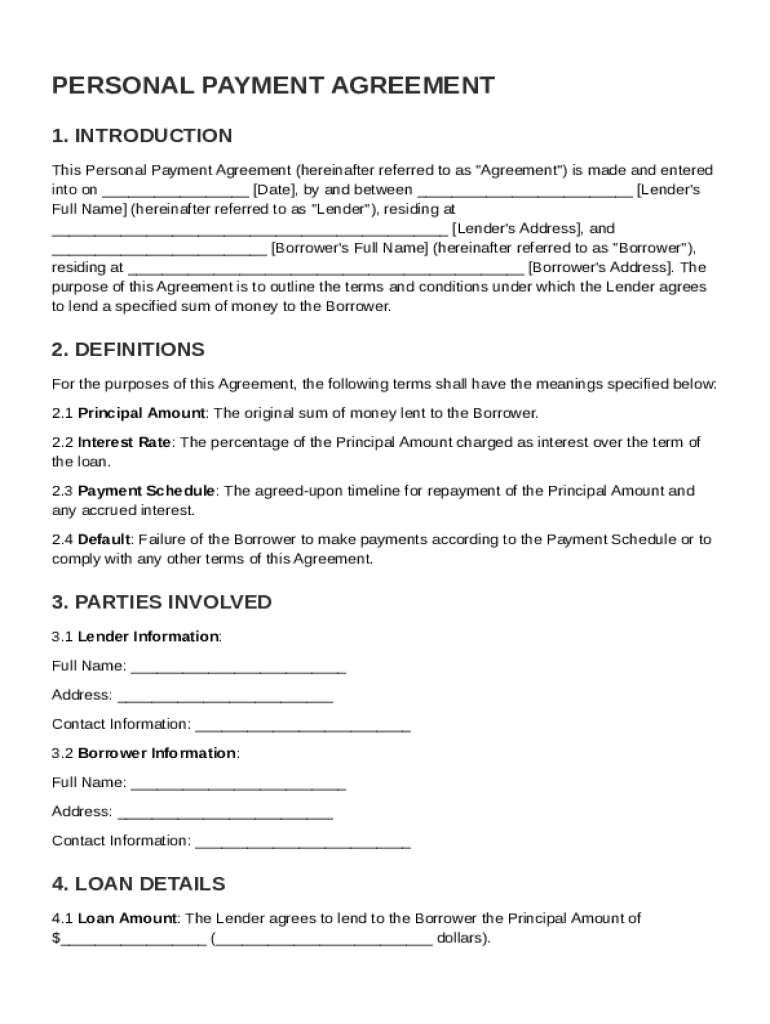
A Personal Payment Contract Template is a document that outlines the terms and conditions governing a financial agreement between two parties, typically referred to as the Lender and the Borrower. This document specifies key aspects such as the loan amount, interest rate, repayment schedule, and any consequences in case of default. By formalizing the agreement, it serves as a legal framework that clarifies both parties' responsibilities, ensuring transparency and reducing the likelihood of disputes. Unlike other informal agreements, this template provides a comprehensive structure that must be clearly understood and adhered to by all parties involved.
The importance of this document is heightened in personal financial dealings, such as loans between friends or family members, where informal verbal agreements might otherwise lead to misunderstandings. It acts as a safeguard for both the lender and borrower by setting expectations upfront and providing legal recourse if needed.
How to Use the Personal Payment Contract Template
When utilizing a Personal Payment Contract Template, it’s crucial to follow a structured approach for the document to serve its intended purpose effectively. Here is an overview of the process to optimize its use:
-
Customize the Template: Before finalizing the contract, customize the template to include specific terms related to the financial agreement at hand. Ensure that both parties' details, loan amount, repayment terms, and any additional clauses are clearly defined.
-
Clarify Terms: Discuss and clarify the terms with the other party. It's vital that both the lender and borrower agree and comprehend all aspects of the contract to avoid future disagreements.
-
Legal Review: While the template is a solid starting point, it's advised to have a legal professional review the document to ensure it adheres to local laws and accurately reflects the intentions of both parties.
-
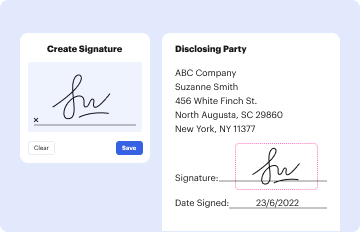
Signatures and Dating: Once both parties agree on the terms, sign and date the contract. Utilizing electronic signatures through platforms like DocHub can enhance security and convenience.
-
Storage: Keep copies of the signed contract. Both parties should have access to the document for reference, ideally stored securely electronically to prevent loss or damage.
This structured process ensures that the contract is comprehensive, enforceable, and beneficial for all involved parties.
Key Elements of the Personal Payment Contract Template
The effectiveness of a Personal Payment Contract Template relies on its inclusion of several critical elements that cover all aspects of the agreement. Here are the key components to consider:
-
Identification of Parties: Clearly state the full legal names of the lender and borrower, including contact information to confirm the identities involved in the agreement.
-
Loan Amount and Purpose: Specify the exact sum being loaned, along with a brief description of the purpose, if necessary. This detail substantiates the amount and reasons for the loan, adding clarity to the agreement.
-
Interest Rate and Fees: Outline any interest rate applied to the loan and additional fees that may accrue, presenting the financial obligations clearly to avoid surprise costs.
-
Repayment Schedule: Establish a concrete repayment plan with dates, amounts due, and frequency (e.g., monthly, quarterly). This schedule is vital for ensuring both parties agree on timelines and expectations.
-
Default Consequences: Describe the implications of a breach of contract, including late payment penalties, additional interest, or legal action. This provides an understanding of the risks involved in non-compliance.
-
Modification Clauses: Include terms on how modifications can be made to the contract. Typically, such changes require written consent from both parties to be valid.
These carefully defined elements ensure that the contract is clear, legally enforceable, and comprehensive, making it a reliable document for personal payment agreements.
State-Specific Rules for Personal Payment Contract Templates
While a Personal Payment Contract Template provides a general framework, it is crucial to acknowledge and incorporate state-specific rules to ensure the agreement's enforceability. Here’s a breakdown of pertinent considerations:
-
Interest Rate Limitations: Each state has usury laws that dictate the maximum interest rate allowable for loans. The contract must comply with these regulations to remain valid.
-
Notarization Requirements: Some states require that personal payment contracts be notarized to be legally binding. Verify whether this step is necessary in your state and arrange for a notary if required.
-
Legal Enforceability: Different states might have specific requirements for a contract to be enforceable in court, such as the necessity for witnesses or additional documentation.
Consulting with a legal professional familiar with the state’s regulations can ensure that the contract adheres to all necessary legal requirements, thereby securing its effectiveness.
Steps to Complete the Personal Payment Contract Template
Completing a Personal Payment Contract Template involves several steps that require attention to detail to ensure completeness and accuracy. Here’s a guide to finalizing this document:
-
Gather Information: Collect all needed details, including personal identification data for both parties, loan amount specifics, and agreement terms.
-
Fill in the Template: Using the template, carefully input all gathered information, ensuring consistent and precise data entry.
-
Review the Terms: Carefully review each section for accuracy and completeness. It's vital that the included terms reflect the agreed-upon conditions.
-
Discuss and Amend: Sit with the other party to discuss the contract's contents. Make necessary adjustments in real-time to reflect any agreed modifications.
-
Sign and Date: Upon reaching consensus, both parties should sign and date the document. Using a platform like DocHub can facilitate this process electronically.
-
Distribute Copies: Ensure each party receives a copy of the finalized document for their records and future reference.
These steps guarantee that the contract is effectively completed, serving as a reliable legal agreement reflecting the terms of the personal payment.
Legal Use of the Personal Payment Contract Template
The legal use of a Personal Payment Contract Template extends its utility as a legally binding document that stipulates the terms of a loan agreement. Here are key considerations for its legal application:
-
Enforceability: A properly executed contract provides legal recourse in cases of default or violation of the terms, making it enforceable through legal systems.
-
Protections Offered: The document protects both lender and borrower by clearly defining expectations and responsibilities, providing a solid basis for addressing breaches.
-
Modifications and Amendments: Any changes to the original contract require documented amendments signed by both parties to prevent disputes related to contract terms.
Using a legal framework to guide the use of this form ensures that it's effectively utilized as a tool for dispute resolution and clarity in financial agreements.
Who Typically Uses the Personal Payment Contract Template
A diverse range of individuals and entities can benefit from using a Personal Payment Contract Template. Here’s a look at who typically employs this document:
-
Individuals: Single or multiple borrowers and lenders who enter into personal loans for various reasons like personal investments or emergencies.
-
Business Owners: Entrepreneurs or small business owners who need a structured agreement for financial interactions with partners, investors, or other stakeholders.
-
Family and Friends: Close relatives or friends who desire a formal agreement for financial transactions to avoid potential misunderstandings.
-
Legal Practitioners: Attorneys representing clients who need standardized templates to facilitate smooth legal transactions.
Each of these groups finds the document invaluable for providing clarity, preventing disputes, and securing a trustworthy agreement between parties.


Important Terms Related to the Personal Payment Contract Template
A Personal Payment Contract Template contains several terms that are critical to comprehend for ensuring clarity and legal enforceability:
-
Principal: The initial amount of money loaned that does not include interest or additional fees.
-
Maturity Date: The date by which the loan is expected to be fully repaid. Understanding this term is crucial for meeting the timing of obligations.
-
Collateral: Assets pledged by the borrower to secure the loan, providing the lender with security against potential default.
-
Acceleration Clause: A provision that allows the lender to require the borrower to repay the loan faster based on specific conditions, such as a breach of contract.
Understanding these terms enhances the user's ability to navigate the complexity of personal payment contracts, ensuring clarity and reducing legal risks.