





Definition & Meaning
A Customs Broker Contract Template is a formal document used to outline the terms and conditions of the professional relationship between a customs broker and their client. This template serves as a structured agreement that clarifies the respective obligations of the broker and the client. It includes essential components such as the scope of services, fee arrangements, duration of the contract, and termination conditions. The document also addresses confidentiality, liability limits, and dispute resolution mechanisms, ensuring that all parties have a clear understanding of their rights and responsibilities. By defining these aspects, the contract promotes smooth and efficient customs brokerage operations, adhering to relevant regulations and legal standards.
Key Elements of the Customs Broker Contract Template
The Customs Broker Contract Template is composed of several critical sections, each addressing specific elements necessary for a comprehensive agreement.
- Scope of Services: Defines the specific tasks and responsibilities the customs broker will undertake, such as preparing and submitting customs documentation or calculating duties and taxes.
- Fee Structure: Details the costs associated with the services provided, including any flat fees, hourly rates, or percentage-based charges.
- Duration and Termination: Specifies how long the contract will be in effect and the conditions under which either party can terminate the agreement.
- Liability Limits: Outlines the extent of the broker's responsibility in case of errors or omissions during service delivery.
- Confidentiality Obligations: Ensures that sensitive client information remains protected, preventing unauthorized disclosure.
- Dispute Resolution: Provides a framework for resolving conflicts that may arise during the contract term through mediation or arbitration.
Legal Use of the Customs Broker Contract Template
The Customs Broker Contract Template serves as a legally binding agreement, compliant with relevant laws and standards.
- Compliance with Customs Regulations: The agreement ensures that all customs brokerage activities adhere to both federal and international laws, minimizing the risk of legal penalties.
- Independent Contractor Status: Clarifies that the customs broker operates as an independent contractor rather than an employee, outlining the legal implications of this relationship.
- ESIGN Act Compliance for Digital Signatures: If signed electronically, the contract adheres to the ESIGN Act, making digital signatures legally valid and enforceable.
Steps to Complete the Customs Broker Contract Template
Completing the Customs Broker Contract Template involves several steps to ensure the document is thorough and legally sound.
- Review and Customize: Examine the default template to understand its structure, then tailor it to the specific needs of the broker-client relationship.
- Enter Party Information: Fill in the names, addresses, and contact information of both the customs broker and the client.
- Define Services and Fees: Specify the services to be provided and outline the fee structure, making sure both parties agree.
- Agree on Contract Terms: Verify the duration, termination conditions, and other terms like confidentiality and liability before finalizing the document.
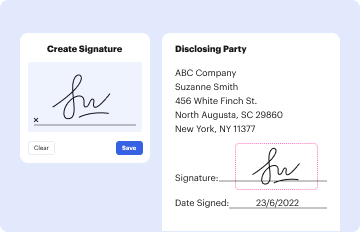
- Obtain Signatures: Secure signatures from both parties, either digitally or in ink, to formalize the agreement.
Important Terms Related to Customs Broker Contract Template
Understanding certain key terms is essential for interpreting the Customs Broker Contract Template effectively.
- Customs Duties and Taxes: Financial charges on imported goods specific to the regulatory requirements of importing countries.
- Bill of Lading: A legal document issued by a carrier to acknowledge receipt of cargo for shipment.
- Pro Forma Invoice: A preliminary bill of sale, issued before goods are dispatched, indicating the types and quantities of goods being shipped.
Who Typically Uses the Customs Broker Contract Template
This template is commonly utilized by:
- Licensed Customs Brokers: Professionals who assist clients with importing and exporting goods, ensuring compliance with customs regulations.
- Importers and Exporters: Businesses engaging in international trade, requiring professional guidance to navigate customs procedures.
- Logistics Companies: Firms responsible for coordinating the transportation of goods, often partnering with customs brokers to streamline operations.

State-Specific Rules for the Customs Broker Contract Template
Different states might have variations in legal requirements affecting customs brokerage agreements.
- State Licensing Requirements: Some states may impose additional licensing standards for customs brokers beyond federal mandates.
- Tax Obligations: Tax implications for customs brokerage services can vary by state, influencing how fees and duties are calculated.
- Regulatory Differences: Local regulations may impact the terms of confidentiality or liability within the contract.
Digital vs. Paper Version
The Customs Broker Contract Template is available in both digital and paper formats, each offering distinct advantages.
- Digital Version: Facilitates easy editing and sharing, reduces the need for physical storage, and supports secure electronic signatures.
- Paper Version: May be preferred in scenarios requiring physical documentation or when digital access is limited.
While both formats are valid, choosing one depends on the operational preferences and legal requirements of the involved parties.