



Definition & Meaning
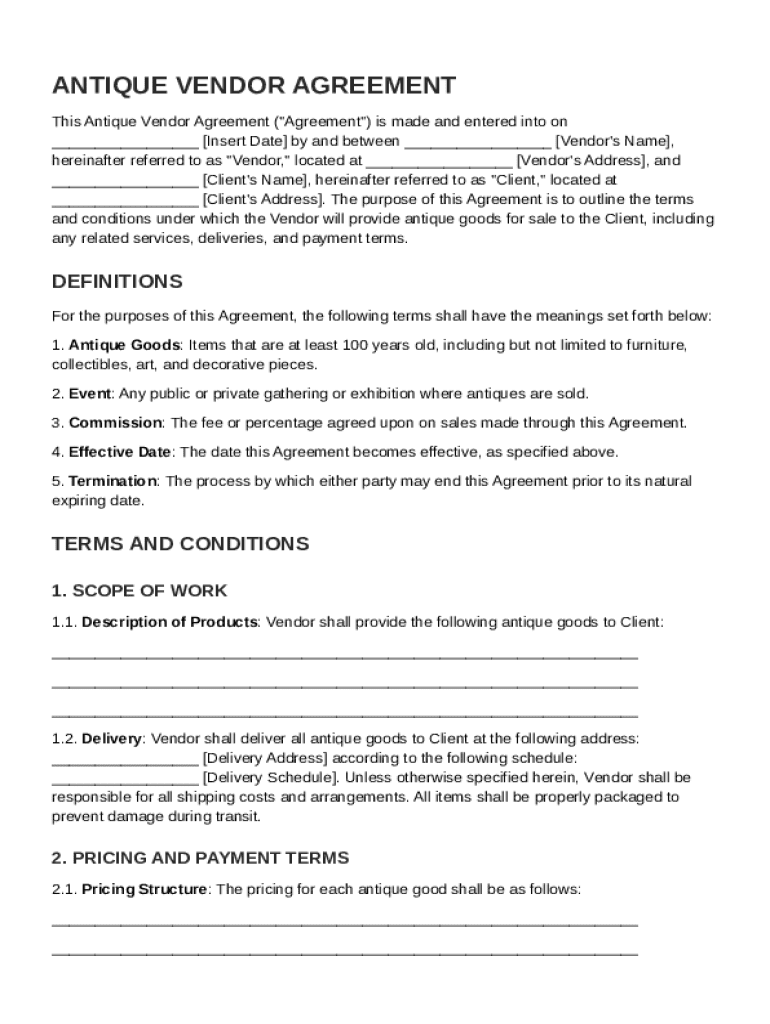
The Antique Vendor Contract Template is designed to establish a formal agreement between a vendor and a client for the sale of antique items. It serves as a comprehensive document outlining the roles, responsibilities, and expectations of both parties involved in the transaction. This contract template is crucial as it provides a structured framework for the sale, ensuring transparency and mutual understanding on key aspects such as pricing, payment terms, and liability.
Key aspects covered within the contract include definitions of terms specific to antiques, responsibilities of each party, and conditions related to the transaction. A clear understanding of these terms ensures both parties are aligned on what constitutes an antique and the valuation process.
Antiques are often unique and carry significant value; thus, well-documented agreements help prevent disputes or misunderstandings. Additionally, the contract typically includes confidentiality clauses and outlines the governing law, offering legal protection and guidelines for dispute resolution. Understanding these elements is crucial for anyone engaged in the antiques trade in a structured manner.
How to Use the Antique Vendor Contract Template
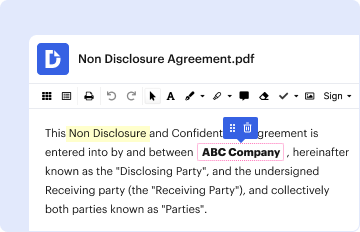
Utilizing the Antique Vendor Contract Template involves several key steps to customize and finalize the document. First, the vendor and client should review the template to ensure it aligns with their specific needs. The template is often designed to be flexible, allowing parties to adjust clauses related to their agreement effectively.
The template typically includes placeholders for details such as the names of the parties involved, the description of goods, pricing, and terms of payment. Filling out these sections with accurate information is critical for the document’s validity. Vendors must also ensure that any specific terms unique to their agreement are included, such as commission structures or deadlines for payment.
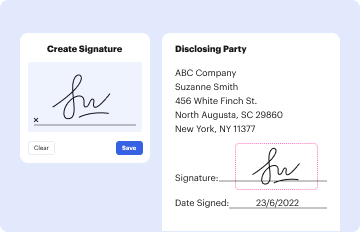
Once completed, both parties should review the entire document to ensure all the included terms are agreeable and accurate. This stage might involve legal advice from a professional to ensure compliance with any applicable laws and regulations. After any necessary amendments and a final review, both parties should sign the document, indicating their acceptance and commitment to the outlined terms.
Key Elements of the Antique Vendor Contract Template
The Antique Vendor Contract Template is structured to include several key elements to form a comprehensive agreement. Each section should be carefully drafted to capture the essence of the agreement.
- Parties Involved: It lists the vendor and client’s details, indicating their role in the transaction.
- Description of Goods: A detailed description of the antique items for sale, including condition, provenance, and estimated value.
- Pricing and Payment Terms: Outlines the agreed-upon price and methods of payment, whether upfront, in installments, or upon delivery.
- Commission Structure: Applicable if the vendor operates on a commission basis, detailing the percentage or amount agreed upon.
- Liability and Insurance Provisions: Defines which party is responsible for damages and any insurance required.
- Confidentiality Clauses: Protects sensitive information shared between the parties from unauthorized disclosure.
- Dispute Resolution Methods: Prescribes steps for resolving any disputes, including mediation or arbitration, prior to legal action.
Each of these components plays a vital role in ensuring that the transaction proceeds smoothly and without conflict.
Legal Use of the Antique Vendor Contract Template
The Antique Vendor Contract Template must adhere to legal requirements to be enforceable. In the United States, the contract is governed by state laws, which vary and may affect the terms and enforceability of the contract.
It's essential that the contract clearly states the governing law, ensuring that any legal disputes are resolved under the jurisdiction familiar to both parties. Generally, the contract must not include any terms that violate state or federal law, such as illegal transaction practices or discriminatory clauses.
Both parties are advised to seek legal counsel to review the contract, ensuring compliance with applicable laws and that their rights and interests are protected. This legal scrutiny helps minimize risks of potential disputes and enforces compliance with contractual obligations.
Important Terms Related to the Antique Vendor Contract Template
The usage of precise legal and industry-specific terms is critical in the Antique Vendor Contract Template to facilitate a clear understanding between the parties.
- Vendor: The individual or business selling the antique items.
- Client: The buyer or purchasing party.
- Provenance: The history of ownership of an antique, often used to establish authenticity and value.
- Consideration: In legal terms, this refers to what each party will gain from the contract, such as payment in exchange for goods.
- Escrow: Funds held by a third party on behalf of the transacting parties until the conditions of the contract are completed.
Understanding these terms promotes transparency and aids in avoiding potential conflicts in interpretation.
Examples of Using the Antique Vendor Contract Template
The application of an Antique Vendor Contract Template can be seen in various real-world scenarios where formalized sales agreements are essential.
For instance, a vendor dealing in rare vintage furniture can use this template to formalize agreements with an interior design firm seeking unique pieces for high-end clients. In another scenario, a collector specializing in art deco jewelry may need to draft a contract with a museum interested in showcasing the collection temporarily.
These examples highlight the diverse applicability of the contract in various sectors of the antique market, ensuring that both parties have documented evidence of the transaction terms and legal recourse should disagreements arise.
State-specific Rules for the Antique Vendor Contract Template
State-specific laws play a significant role in how the Antique Vendor Contract Template is structured and enforced. Each state in the U.S. may have particular requirements or prohibitions that can affect the contract.
For example, some states might mandate specific disclosures or stipulations in contracts involving high-value transactions. The parties involved must be aware of such regulations to ensure that the contractual terms are valid and enforceable in their jurisdiction.
It is advisable for vendors and clients to consult legal experts who can tailor the contract to align with state-specific requirements. Compliance with these regulations is vital to avoid potential legal challenges or voiding of the contract.
Who Typically Uses the Antique Vendor Contract Template
This template is widely used by various entities involved in the buying and selling of antiques. Auction houses, private collectors, antique dealers, and even museums might engage this contract to formalize transactions.
Individual vendors or small antique businesses benefit from its clarity and structure, ensuring all dealings are legally documented. This is particularly valuable in high-value sales where the stakes are high and both parties need assurance of mutually agreed terms.
Overall, the template serves as a powerful tool for anyone engaged in the antique market, facilitating smooth and clear transactions, and providing the necessary legal protection for both buyers and sellers.