




Definition and Purpose of a Grazing Lease Agreement
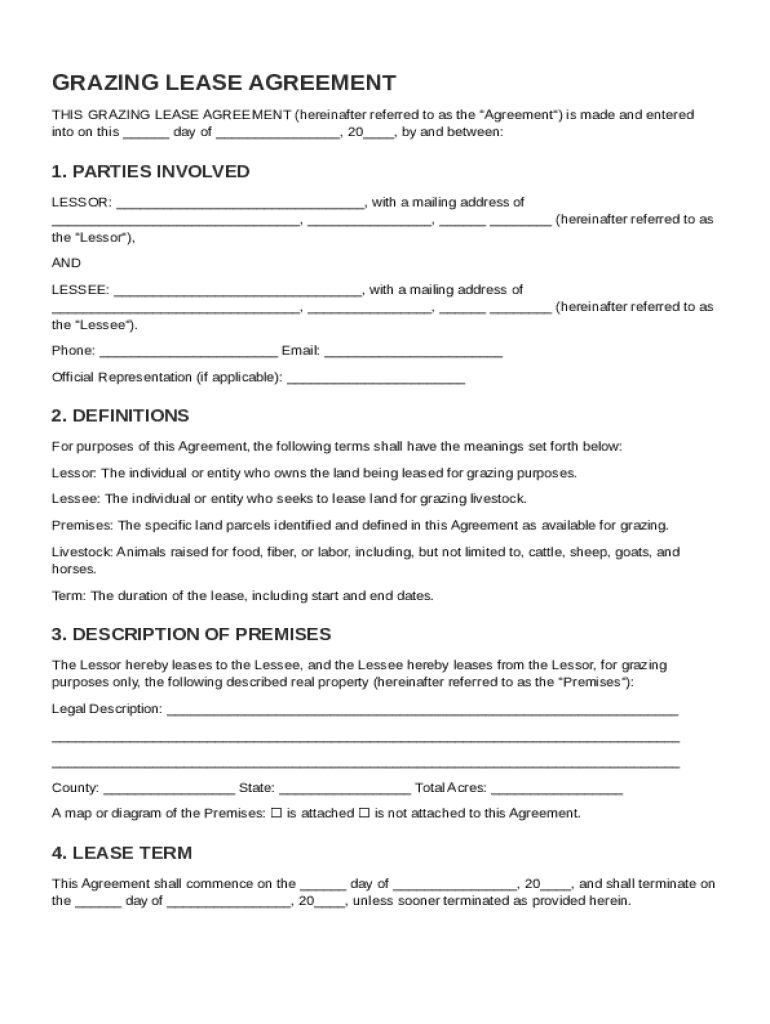
A Grazing Lease Agreement is a legal contract between a Lessor (landowner) and a Lessee (livestock owner) that specifies the terms and conditions for using land for grazing livestock. This contract outlines key aspects such as the lease duration, payment obligations, and specific restrictions on land use to ensure both parties' interests are protected. For example, it addresses how the land should be maintained, the responsibilities each party holds, and the insurance requirements necessary for liability purposes. The agreement is vital for ensuring that the land is used properly while mitigating potential disputes.
Key Elements of the Grazing Lease Agreement Template
The Grazing Lease Agreement Template typically includes several essential components:
- Parties Involved: Clearly identifies the Lessor and Lessee, including their contact information.
- Premises Description: A detailed explanation of the leased land, its boundaries, and any included facilities.
- Lease Term: Specified start and end dates for the grazing period, which may vary per state regulations.
- Payment Terms: Includes the rental fee amount, payment schedule, and acceptable methods of payment.
- Use Restrictions: Details permitted activities and restricts unauthorized usage to prevent land misuse.
- Maintenance Responsibilities: Defines which party is responsible for maintaining fences, water sources, and other infrastructure.
- Liability and Insurance Requirements: Outlines the necessity for insurance protection against damages or injuries, including coverage types and limits.
- Governing Laws and Dispute Resolution: Establishes the legal framework and procedures for resolving disputes, often based on the state laws governing contracts.
Steps to Complete the Grazing Lease Agreement Template
Completing a Grazing Lease Agreement involves several steps for both the Lessor and Lessee:
- Review Agreement Components: Both parties should thoroughly review each clause to understand their rights and responsibilities.
- Customize Contract Details: Modify sections as needed to reflect agreed terms, such as the grazing period and payment specifics.
- Include Additional Provisions: Add any necessary clauses specific to the agreement, such as special maintenance duties or additional fees.
- Consult Legal Counsel: It is advisable to have an attorney review the finalized draft to ensure legal compliance and address any ambiguities.
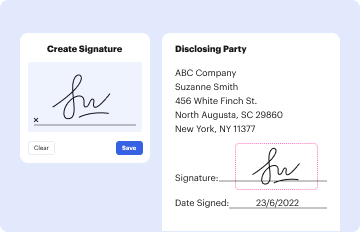
- Sign and Date the Agreement: Once both parties are satisfied, each should sign and date the document to formalize the agreement.
- Distribute Copies: Provide each party with a fully executed copy for their records, ensuring they are aware of the agreement's contents.
- Maintain an Audit Trail: If signed digitally using DocHub, keep track of signed dates and potential renewals through an audit trail feature.
Important Terms Related to the Grazing Lease Agreement Template
Understanding certain terminology is crucial for utilizing the Grazing Lease Agreement adequately:
- Lessor: The landowner leasing the property for grazing purposes.
- Lessee: The individual or entity renting the land to graze livestock.
- Premises: The specific area of land defined for grazing activities.
- Lease Term: The duration for which the land is leased, including start and end dates.
- Default: Failure to fulfill obligations outlined in the agreement, potentially leading to termination.
- Termination Clause: Specifies conditions under which the lease can be terminated by either party.
- Force Majeure: Refers to unavoidable circumstances that prevent fulfillment of the agreement, such as natural disasters.
Legal Use and Compliance of the Grazing Lease Agreement
A Grazing Lease Agreement must comply with local, state, and federal laws to be enforceable in a court of law. This compliance includes proper execution by the involved parties and adherence to land use regulations in the respective state. Legal consultation helps both parties establish a compliant agreement, reducing risks of legal exposure or disputes. Digitally signed agreements, facilitated by platforms like DocHub, need to comply with the ESIGN Act, ensuring all signatures are legally binding.
Who Typically Uses the Grazing Lease Agreement Template
The primary users of the Grazing Lease Agreement Template are:
- Private Landowners: Individuals leasing out their land for income or agricultural management.
- Livestock Owners and Farmers: Those seeking expanded grazing areas for their livestock to ensure sufficient pasture land.
- Ranch Managers: Professionals responsible for managing large properties who utilize the template for formalizing agreements with Lessees.
- Agricultural Companies: Businesses requiring grazing land for large-scale animal farming operations.

State-Specific Considerations for Grazing Lease Agreements
There are various state-specific considerations to be aware of when entering into a grazing lease agreement:
- Regulatory Compliance: Each state may have specific agricultural and environmental regulations affecting grazing leases, such as water rights usage and land conservation obligations.
- Lease Duration Restrictions: Some states mandate maximum lease terms or renewal options to protect agricultural interests.
- Tax Implications: Different states offer agricultural land use tax benefits which can influence how a grazing lease agreement is structured financially.
Examples of Using the Grazing Lease Agreement Template
Examples illustrating the use of a Grazing Lease Agreement include:
- Seasonal Use by Cattle Farmers: A dairy farmer secures additional pastureland for summer grazing, paying a seasonal fee based on herd size.
- Multiple Party Lease Agreements: Neighbors collectively lease expansive land to maximize grazing capacity while sharing maintenance responsibilities.
- Cross-Border Leasing: Livestock owners near state borders rent pastures in an adjacent state to solve local land shortages, ensuring compliance with multi-state laws.
Engaging in these contracts ensures stable resource access while protecting both the Lessor's land and the Lessee's investment.