




Definition & Purpose of the Web Design Service Agreement Template
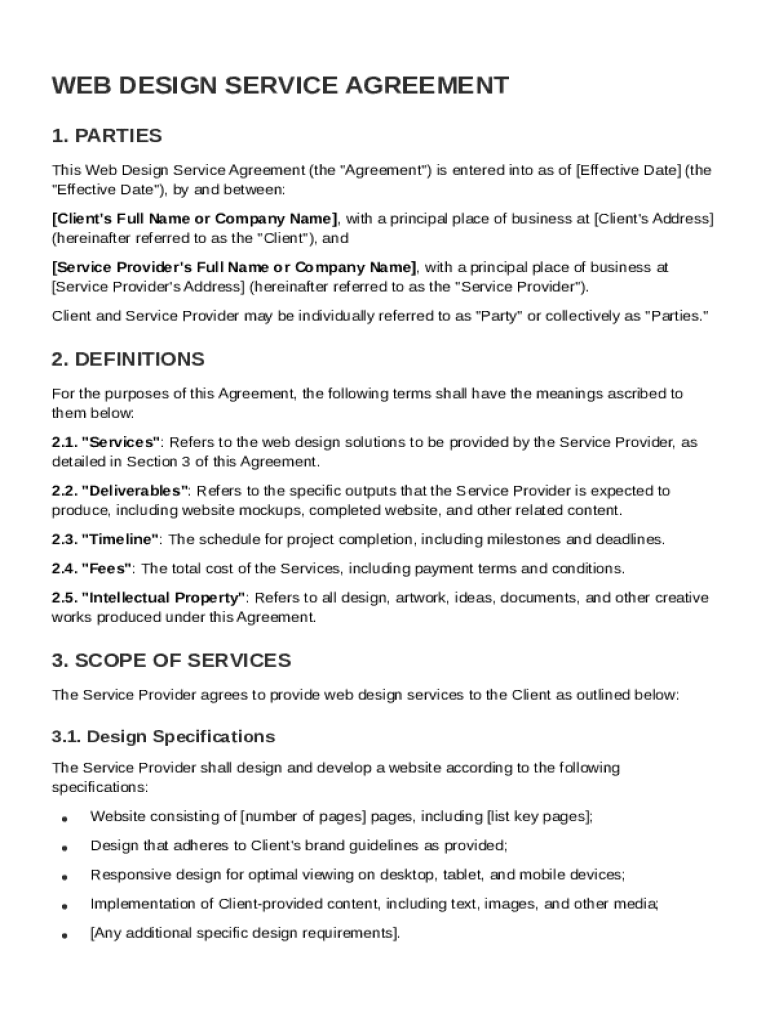
The Web Design Service Agreement Template serves as a formal contract between a client and a service provider for web design projects. It outlines the terms and conditions under which services will be rendered, ensuring transparency and setting clear expectations for both parties involved. This agreement includes details about the scope of work, timeline, payment terms, and intellectual property rights. By establishing these elements upfront, the template helps prevent potential disputes and miscommunications, ensuring a smooth working relationship.
Practical Example
Consider a small business hiring a web designer to overhaul its current website. Using the Web Design Service Agreement Template, the business can clearly define the tasks required—such as designing a homepage, product pages, and a contact form. The designer agrees to provide these deliverables within a specified timeframe and budget, ensuring both parties have a mutual understanding of the project's scope.
Key Elements of the Web Design Service Agreement Template
Parties Involved
- Client: The individual or entity hiring the service provider.
- Service Provider: The person or company tasked with delivering the web design services.
Scope of Services
This section delineates the specific tasks and deliverables, such as website layout, graphics creation, SEO optimization, and responsive design elements. It ensures that both parties agree on what needs to be done.
Project Timeline
Defines the start and end dates for the web design project, along with key milestones. This timeline helps manage expectations and provides a framework for monitoring progress.
Fees and Payment Terms
Outlines the cost of services, payment schedule, and penalties for late payments. This section may also include information on required deposits and acceptable payment methods.
Ownership and Intellectual Property Rights
Specifies who owns the final design and any work products. Typically, the client gains ownership upon full payment, while the service provider retains rights to any reusable IP, such as code libraries.
Confidentiality Obligations
Details the obligation of the parties to maintain confidentiality for proprietary and sensitive information shared during the project. This protects trade secrets and client data.
Who Typically Uses the Web Design Service Agreement Template

Businesses and Freelancers
- Startups and SMEs: Employ web design services to establish an online presence quickly and professionally.
- Freelancers: Use the template to ensure clients are clear on services and payment terms, especially in creative industries.
Agencies
Web design and marketing agencies often use this template to standardize agreements with multiple clients, ensuring consistency in their service contracts.
Steps to Complete the Web Design Service Agreement Template
-
Identify the Parties: Enter the full legal names of the client and service provider, along with their contact information.
-
Define the Scope of Work: Clearly describe tasks, deliverables, and any specific requirements such as design specifications or technological frameworks.
-
Set the Project Timeline: List important deadlines, including design drafts and the final delivery date.
-
Detail Payment Terms: Include total fees, a payment schedule, and terms for any additional work outside the initial agreement scope.
-
Establish Ownership Terms: Clarify who will own the final design and associated materials upon project completion.
-
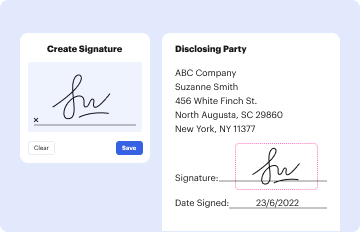
Finalize the Agreement: Both parties should review the completed template thoroughly. Upon agreement, each should sign and date the contract to formalize terms.
Example Scenario
For a company launching a new product, the agreement outlines the design's specific branding criteria. The service provider commits to deliver an initial mock-up within two weeks, with feedback rounds scheduled weekly. Payments are split into two, 50% upon signing and the remainder upon project completion.
Legal Use of the Web Design Service Agreement Template
The template adheres to U.S. contract law, requiring both parties are legally competent and the terms are lawful. It generally requires signatures to be legally binding, following the ESIGN Act when done electronically. Ensure all terms comply with local laws, especially for service providers operating across state lines.
Edge Cases
For digital nomads or remote freelance designers working internationally, variations of this agreement may require adjustment due to differing legal standards in different jurisdictions.
Important Terms Related to the Web Design Service Agreement Template
- Amendments: Any changes to the initial agreement should be documented and signed by both parties.
- Dispute Resolution: Specifies methods for handling disputes, typically through mediation or arbitration before litigation.
- Termination Clause: Conditions under which either party may end the contract early.
Variations and Exceptions
Some templates may exclude services like hosting or maintenance, requiring separate agreements for these facets. Additionally, certain state laws may impose additional contractual elements.
Business Types That Benefit Most from the Web Design Service Agreement Template
- E-commerce Businesses: Using web design agreements to ensure functional and optimized online stores.
- Creative Agencies: Regularly contracting out web design services to supplement their offerings.
- Tech Startups: Seeking professional-grade website designs to attract investment and customers.
Practical Example
A tech startup seeking funding uses this template to contract a professional designer, ensuring the website appeals to potential investors and conveys its innovative mission effectively.
State-Specific Rules for the Web Design Service Agreement Template
While largely uniform across the U.S., certain state laws may require additional clauses related to consumer protection or data privacy. Businesses should consult a legal professional to ensure compliance with state-specific regulations, particularly concerning intellectual property or the enforceability of electronic signatures.
Examples
California businesses may need to include specific clauses about the handling of personal data to comply with the California Consumer Privacy Act (CCPA).