




Definition and Meaning
The Subordination Agreement Template is a legal document that outlines the terms in which a lender agrees to subordinate its claim to another lender's priority. In essence, it establishes a hierarchy among lenders, detailing which party will receive payment first in the event of a borrower's default. This is particularly crucial in financial arrangements where multiple creditors are involved. By clearly defining subordinate and senior lenders, the template provides clarity and certainty, minimizing potential disputes and ensuring a streamlined claims process.
Key Elements of the Subordination Agreement Template
Parties Involved
The agreement must clearly identify all parties involved, including the borrower, subordinate lender, and senior lender. This identification ensures that all stakeholders understand their roles and responsibilities within the context of the arrangement. Proper identification helps to avoid potential legal issues and ensures the integrity of the agreement.
Terms of Subordination
The terms of subordination are central to the document, specifying the conditions under which the subordinate lender agrees to defer its rights. These terms include the extent of subordination, the duration, and any specific conditions that trigger subordination. This section must be crafted with precision to ensure enforceability and prevent ambiguity.
Representations and Warranties
This portion includes assurances made by each party, verifying that they have the authority to enter into the agreement and that they adhere to all legal and regulatory requirements. Representations and warranties serve to protect all parties by establishing a foundation of trust and legitimacy for the agreement.
Steps to Complete the Subordination Agreement Template
-
Gather Necessary Information
- Identify all parties and their roles.
- Clarify the amounts and terms of loans involved.
-
Draft Definitions and Terms
- Define all relevant terms, including "Subordinate Lender" and "Senior Lender."
- Specify the terms of subordination, including duration and conditions.
-
Include Representations and Warranties
- Outline each party's authority and compliance with necessary laws.
-
Incorporate Default Provisions
- Detail actions and remedies in the event of borrower default.
- Specify the hierarchy of claims among lenders.
-
Review and Finalize
- Verify accuracy and completeness of all sections.
- Have legal counsel review for compliance with applicable laws.
Why Use a Subordination Agreement Template
Using a subordination agreement template ensures that all pertinent details are systematically addressed, reducing the risk of oversight. It facilitates a uniform process for documenting the subordination, enhancing efficiency and accuracy. Additionally, standardized templates ensure compliance with relevant legal standards, reducing the risk of invalid agreements.
Legal Use of the Subordination Agreement Template
The template is recognized as a binding document under U.S. law, provided it fulfills all legal criteria for contracts. It should reflect mutual understanding and assent among parties, contain lawful terms, and be duly executed. Adherence to these principles ensures that the agreement is enforceable and serves its intended purpose effectively.
Important Terms Related to Subordination Agreement Template
Senior Lender
The lender with priority to receive payments in case the borrower defaults. This lender's claim supersedes those of subordinate lenders.
Subordinate Lender
A lender who agrees to have its claim ranked below the senior lender. Typically, subordinate lenders accept higher interest rates as compensation for increased risk.
Governing Law
Specifies the jurisdiction whose laws will apply to govern and interpret the agreement. This is particularly important in cross-state contractual relationships.
Examples of Using the Subordination Agreement Template
Real Estate Transactions
In real estate, the template is commonly used when a property owner obtains a second mortgage. The first mortgage lender requires assurance that their claim will take precedence over subsequent loans.
Business Loans
Companies often require subordination agreements when refinancing existing loans or seeking additional credit lines. Ensuring the order of lender priorities allows for secure restructuring or expansion needs.
Software Compatibility
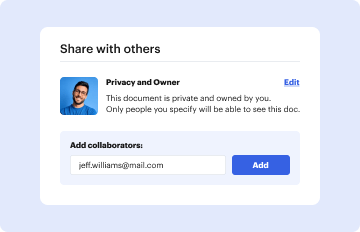
For digital preparation and management of the subordination agreement, platforms like DocHub integrate seamlessly with popular software such as Google Workspace. This compatibility facilitates electronic signing, real-time collaboration, and streamlined document management, reducing the typical complexities associated with legal paperwork.