




01. Edit your form online
Type text, add images, blackout confidential details, add comments, highlights and more.

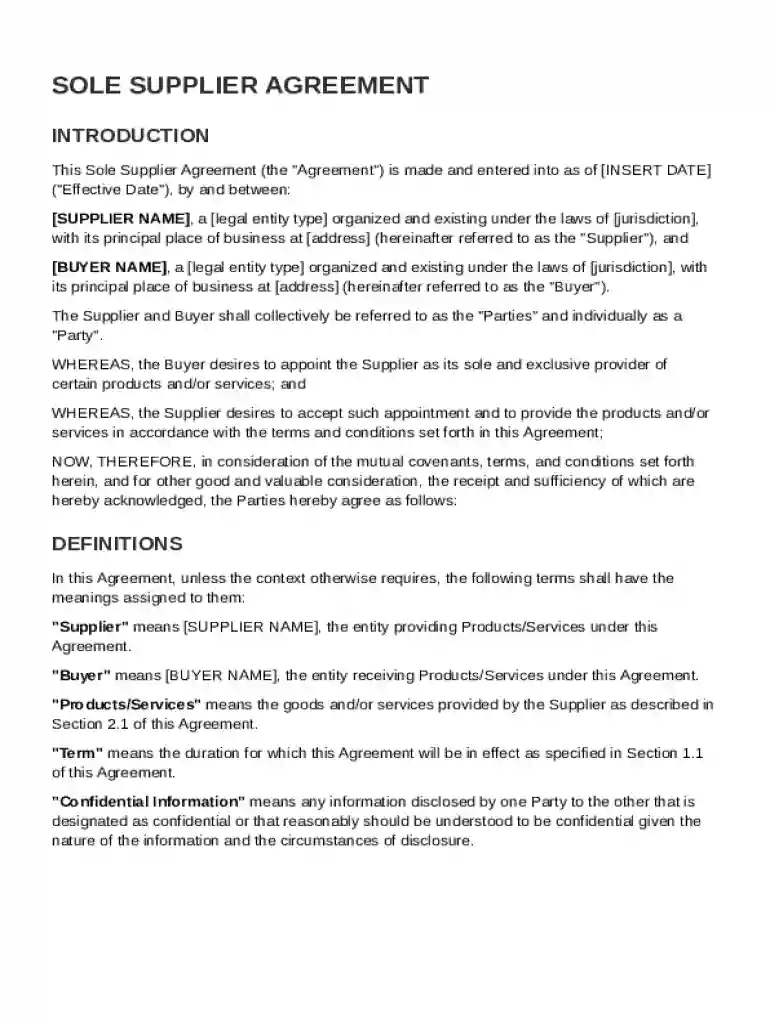
Type text, add images, blackout confidential details, add comments, highlights and more.

Draw your signature, type it, upload its image, or use your mobile device as a signature pad.

Send it via email, link, or fax. You can also download it, export it or print it out.
A Sole Supplier Agreement is a legally binding contract that appoints a single supplier as the exclusive provider for specified goods or services to a buyer. This document outlines the scope of products and services covered, ensuring a clear understanding of the roles, responsibilities, and expectations between the buyer and supplier. It also aims to protect the interests of both parties involved by detailing terms such as the duration of the agreement, pricing, payment terms, delivery criteria, warranties, confidentiality obligations, and indemnification clauses. This agreement can help streamline business operations by establishing a single point of procurement, thereby fostering a long-term partnership.
The Sole Supplier Agreement must comply with local and federal laws, ensuring that all terms are enforceable within the United States jurisdiction. Adhering to the Uniform Commercial Code (UCC) can be critical, especially in sections related to sales and contracts. Additionally, clauses that encompass confidentiality, intellectual property, and dispute resolution should align with the applicable legal standards to protect both parties adequately. Regular legal oversight and updates may be necessary to ensure ongoing compliance throughout the duration of the agreement.
This type of agreement is crucial for businesses seeking to optimize their supply chain management by consolidating suppliers. It fosters stronger supplier relationships, ensures consistent product quality, and stabilizes pricing over the contract term. This agreement type can reduce administrative overhead and streamline procurement processes, contributing to operational efficiency. Additionally, it can safeguard the buyer from supply disruptions and enhance supply chain resilience.


Depending on the specific business needs, variations of the Sole Supplier Agreement may include frameworks like Exclusive Distribution Agreements, which expand the scope of exclusivity to distribution channels or Preferred Supplier Agreements, where the supplier is preferred but not the sole provider. Each alternative caters to different strategic sourcing objectives and should be chosen based on factors such as the criticality of supply, market conditions, and the level of control needed over the supply process.
Given the U.S.-centric focus, it's essential to consider any state-specific regulations or provisions when drafting a Sole Supplier Agreement. For example, labor laws, environmental regulations, and tax implications may vary from state to state. Ensuring compliance with these variances is critical, and parties should consult with legal experts familiar with specific state laws that could impact the execution and enforcement of the agreement.
Users often need to ensure compatibility with software solutions like DocHub, which facilitates the editing, signing, and sharing of these agreements. DocHub offers seamless integration with cloud storage services such as Google Drive and Dropbox, allowing easy access to documents from anywhere. Users can also take advantage of electronic signatures, real-time collaboration, and document version control features to keep the agreement process smooth and efficient.
At DocHub, your data security is our priority. We follow HIPAA, SOC2, GDPR, and other standards, so you can work on your documents with confidence.
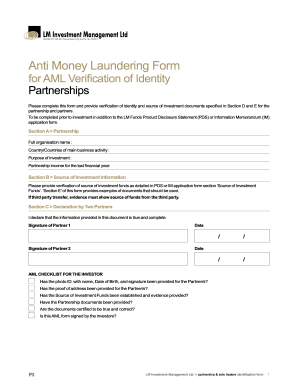
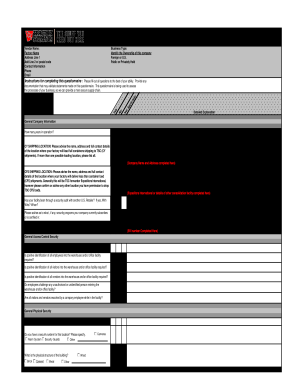

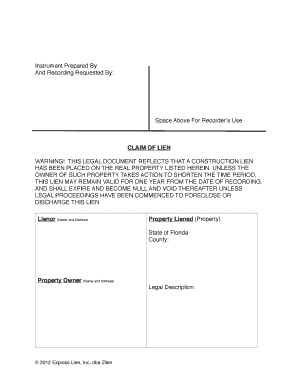

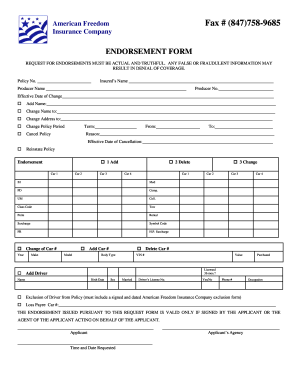
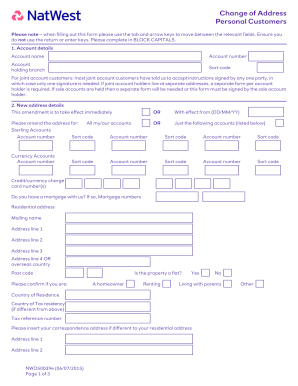
Sole source is the only known source for unique products/services. Single source is when a vendor is chosen despite other options due to circumstances.
Oct 1, 2020 This Reseller Agreement (the Agreement) is a legal agreement between you on behalf of a company or other entity as its representative
Sole Source CONTRACT Filing Justification Template. Use the following justification template for preparing to file sole source contracts in the Sole S ource


