




Definition & Meaning
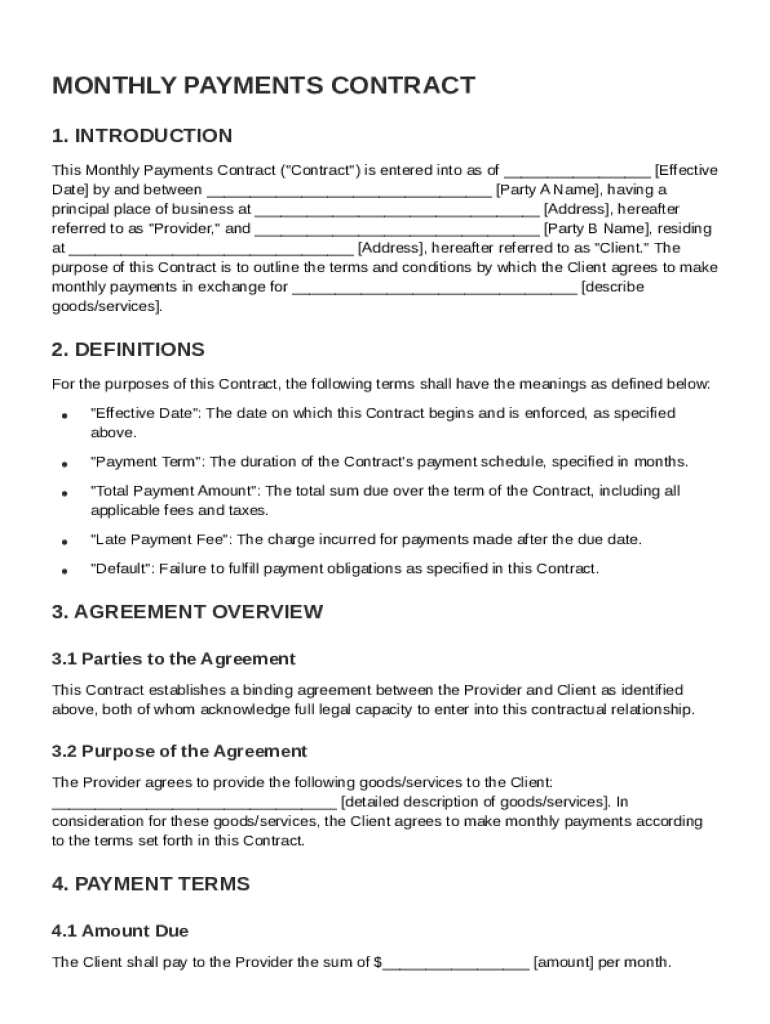
The Monthly Payments Contract Template is a legally binding document designed to establish the terms and conditions of a payment arrangement between a provider of goods or services and a client. This contract specifies the payment amount, due dates, penalties for late payment, and the conditions under which the agreement may be terminated. Each party’s responsibilities are documented to ensure clarity and mutual understanding. This template acts as a foundational agreement necessary for maintaining a consistent and predictable financial transaction between parties over a designated period.
Key Elements of the Monthly Payments Contract Template
This contract template includes several critical components that ensure the agreement is comprehensive and enforceable. Essential elements include:
- Payment Details: Outlining the exact amount due each month, including any applicable taxes or fees.
- Due Dates: Clearly defined deadlines for payment to avoid any confusion between the parties.
- Late Fees: Established penalties for overdue payments to incentivize timely submission.
- Termination Conditions: Circumstances under which the contract may be terminated, protecting both parties.
- Force Majeure: Provisions that address unforeseen circumstances preventing contract fulfillment.
These components ensure both parties understand their obligations and the consequences of non-compliance.
Steps to Complete the Monthly Payments Contract Template
Completing the Monthly Payments Contract Template involves several steps to ensure accuracy and clarity:
- Review the Template: Assess all sections to ensure they align with the intended business agreement.
- Fill Out Payment Details: Clearly identify and input the payment amount and due dates.
- Specify Late Fees: Detail any applicable penalties for late payments.
- Outline Termination Conditions: Define the conditions under which the contract may be dissolved.
- Assign Responsibilities: Clearly document each party's obligations and responsibilities.
- Finalize Agreement: Both parties review and sign the contract to make it legally binding.
- Store Copy Safely: Ensure both parties retain a copy for future reference, utilizing secure storage solutions if necessary.
Following these steps helps minimize disputes and ensures that each party's expectations are clear.
Who Typically Uses the Monthly Payments Contract Template
Several individuals and entities benefit from using a Monthly Payments Contract Template:
- Freelancers and Independent Contractors: Use these contracts to establish consistent payment schedules with clients.
- Small and Medium Businesses: Employ such agreements for recurring services rendered to clients.
- Landlords and Property Managers: Implement contracts to define rental payment terms with tenants.
- Subscription Service Providers: Utilize contracts for continued service provision in exchange for regular payments.
The template is versatile and can be adapted across various industries to suit specific needs.

Legal Use of the Monthly Payments Contract Template
The contract adheres to legal standards that ensure its enforceability under U.S. law:
- Compliance with Contract Law: Meets general legal principles, such as offer, acceptance, and consideration.
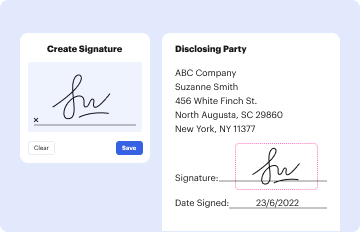
- Legally Binding Signatures: Requires both parties to sign, acknowledging their consent and understanding.
- Adherence to State Laws: Takes into account any state-specific legal requirements affecting contract terms.
Being aware of the legal frameworks surrounding these templates can aid in their appropriate application.
Important Terms Related to Monthly Payments Contract Template
Understanding the terminology used within the contract is crucial:
- Obligor and Obligee: The party responsible for making payments (obligor) and the one receiving them (obligee).
- Principal Amount: The original sum agreed upon, excluding interest or fees.
- Amortization Schedule: A detailed timetable of payments showing both principal and interest components.
- Default: The failure to fulfill a financial obligation as stipulated in the contract.
Familiarity with these terms ensures smoother negotiations and fewer misunderstandings.
Software Compatibility
The Monthly Payments Contract Template can be managed with various software tools:
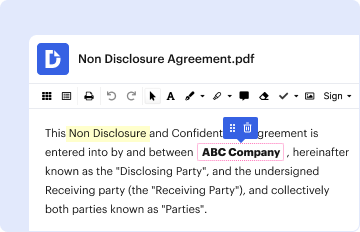
- DocHub: Provides comprehensive document management and editing capabilities.
- Google Workspace: Allows integration with Google Drive for seamless access and modifications.
- Adobe Acrobat: Useful for creating and editing PDF versions of the contract.
- Microsoft Office: Offers Word templates for drafting contracts with flexibility.
Using compatible software can streamline the creation and management of contracts, improving efficiency and accuracy.
Examples of Using the Monthly Payments Contract Template
Real-world scenarios illustrate the utility and application of this contract template:
- Sample Scenario A: A freelance graphic designer agreeing to receive monthly payments from a client for ongoing design work.
- Sample Scenario B: A property owner establishing a payment schedule for a commercial tenant, detailing rent and associated fees.
- Sample Scenario C: A software as a service (SaaS) company setting up subscription terms for access to its platform.
These examples show the template's versatility in various contexts, underscoring its flexibility and wide range of applications.
State-Specific Rules for the Monthly Payments Contract Template
While the contract operates under general U.S. law, certain state-specific regulations may influence its use:
- Interest Rate Caps: Some states impose limits on the maximum allowable interest rates on overdue payments.
- Tenant-Landlord Statutes: Vary state by state, impacting the wording of lease-related contracts.
- Consumer Protection Laws: Some states have stronger consumer protection laws that can affect contract terms.
Being informed about these distinctions helps ensure compliance and reduces legal risks associated with contract disputes.