






Definition & Meaning
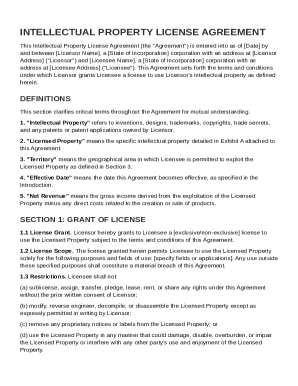
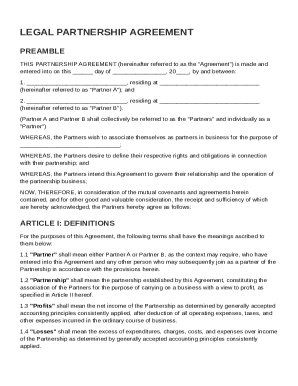
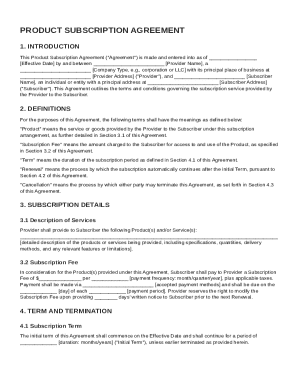
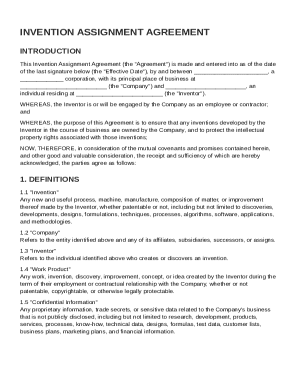
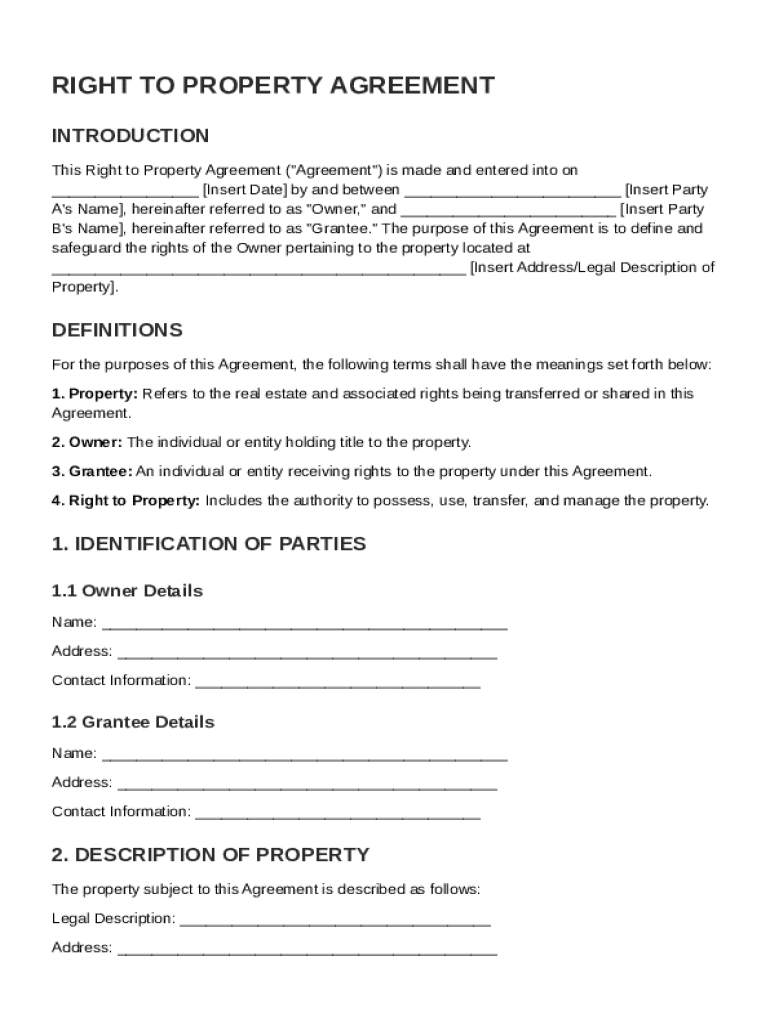
The Right to Property Agreement Template is a legal document that articulates the rights and responsibilities of the property owner and the grantee. It is essential in scenarios where one party transfers certain rights of a property to another while specifying the terms of use, boundaries, and obligations. This agreement ensures clarity by defining key terms and specifying the parties involved, ensuring that both owner and grantee fully understand their roles and responsibilities.
Nuances and Context
- Property Description: Clearly delineates the property boundaries and any specific areas included or excluded from the agreement.
- Parties Involved: Identifies the owner and grantee, including their full legal names and addresses.
- Rights Granted: Details the specific rights conferred to the grantee, such as access rights, construction permissions, or usage rights.
How to Use the Right to Property Agreement Template
The Right to Property Agreement Template can be tailored to fit the specific needs and conditions of any property agreement. Parties can use this template as a baseline to draft their agreement and include specific clauses.
Customization Steps
- Load the Template: Open in a compatible document editor like DocHub, Google Docs, or Microsoft Word.
- Identify Clauses to Modify: Assess which sections need customization, such as rights granted or obligations.
- Edit the Template: Insert specific information, modify terms, or add unique conditions.
Steps to Complete the Right to Property Agreement Template
Completing this template involves several crucial steps to ensure it accurately reflects the agreed terms.
- Gather Information: Collect all necessary details about the property and parties involved.
- Input Details: Enter information accurately under relevant sections like property description and parties' details.
- Define Rights and Obligations: Specify what rights are being transferred and any conditions attached.
- Review: Have all parties review for accuracy and completeness.
- Signatures: Both parties should provide signatures to validate the agreement.
Key Elements of the Right to Property Agreement Template
Understanding the primary components within the template aids in ensuring completeness and legality.
Critical Components
- Ownership Clause: Details on who retains ownership and under what conditions.
- Dispute Resolution: Methods for resolving any disagreements, such as mediation or arbitration.
- Termination Terms: Conditions under which the agreement can be terminated by either party.
Legal Use of the Right to Property Agreement Template
Using this template ensures compliance with legal standards while transferring property rights.
Legal Considerations
- Amendment Process: Specifies how any changes to the agreement must be documented and agreed upon.
- Entire Agreement: Asserts that the written document is the full agreement, preventing verbal modifications.
- Governing Law: Determines which state's laws will be used to interpret the agreement.
Important Terms Related to Right to Property Agreement Template
Several terms are vital for understanding and drafting the agreement effectively.
Core Terminologies
- Easement: A right to cross or otherwise use someone else's land for a specified purpose.
- Covenant: A written promise or restriction on the use of the land.
- Grantor/Grantee: Grantor is the one who transfers rights; grantee is the recipient.
Who Typically Uses the Right to Property Agreement Template
This template is mainly used by individuals or entities involved in property transactions.


User Scenarios
- Real Estate Developers: To detail rights for construction or access during development projects.
- Landowners: When leasing parts of their property for agricultural or commercial use.
- Private Homeowners: For granting access or rights to adjacent neighbors.
State-Specific Rules for the Right to Property Agreement Template
Legal standards and practices can vary significantly across states in the U.S.
Considerations for State Variations
- Zoning Laws: Different states may have unique zoning regulations that influence what can be included in agreements.
- Recording Requirements: Some states require the agreement to be recorded in local government property records.
- Lease Length Restrictions: Various states impose limits on lease durations within such agreements.