




Definition & Meaning
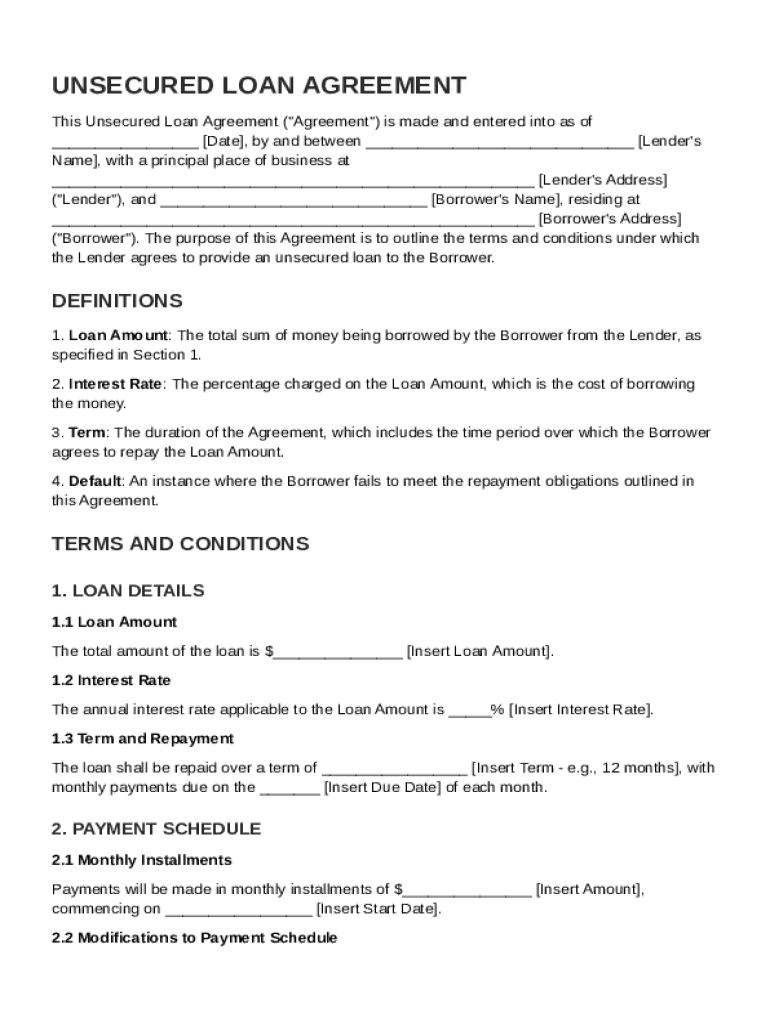
An Unsecured Loan Agreement Template is a legal document that outlines the conditions under which a loan is provided from a lender to a borrower without any collateral. This type of agreement is fundamental in situations where the borrower does not wish to pledge assets. Unlike secured loans, which require collateral, unsecured loans depend on the creditworthiness of the borrower. The template typically covers important aspects such as the loan amount, interest rate, and repayment terms. It also defines the obligations of both parties and includes crucial clauses regarding default and remedies available to the lender.
Key Elements of the Unsecured Loan Agreement Template
An Unsecured Loan Agreement encompasses several vital components that ensure both parties are protected.
- Loan Amount: Specifies the total amount of money being lent to the borrower.
- Interest Rate: Details the interest rate applied to the loan, which can be fixed or variable.
- Repayment Terms: Outlines how the borrower will repay the loan, including the payment schedule.
- Default and Remedies: Defines what constitutes default and outlines the actions the lender can take in such events.
- Governing Law: States which jurisdiction’s laws will govern the agreement.
These elements are essential for clarifying expectations and responsibilities, ensuring both parties understand their legal rights and obligations.
Steps to Complete the Unsecured Loan Agreement Template
Completing an Unsecured Loan Agreement Template involves several steps that need careful attention to detail:
- Identify Parties: Clearly state the names and contact information of both the lender and the borrower.
- Specify Loan Details: Fill in the loan amount, interest rate, and term of the loan.
- Define Repayment Terms: Establish how and when payments will be made.
- Include Interest Calculations: Detail how interest will be calculated and accrue over time.
- Outline Default Terms: Specify what constitutes a default and the consequences thereof.
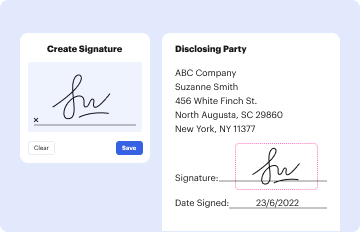
- Add Signatures: Both parties should sign and date the agreement to make it legally binding.
Each step requires accuracy and precision to ensure that the agreement is clear and enforceable.
Who Typically Uses the Unsecured Loan Agreement Template
This template is frequently used by individuals and businesses who want to engage in lending without needing collateral.
- Individuals: Those looking for personal loans to finance purchases without providing collateral.
- Small Businesses: Enterprises needing short-term funding without assets to pledge.
- Friends and Family: Informal loans between acquaintances where formal collateral is unnecessary.
These users find the unsecured loan agreement useful because it offers a formal framework for their financial transactions, providing peace of mind and clarity.

How to Use the Unsecured Loan Agreement Template
Utilizing the Unsecured Loan Agreement Template involves several strategic steps:
- Customization: Adapt the template to suit specific needs of the transaction.
- Consultation: Consider legal advice to ensure compliance with local laws.
- Review: Thoroughly check for accuracy in names, amounts, and other details before signing.
- Storage: Keep signed copies safely for both parties' records and future reference.
This process helps ensure the agreement accurately reflects the terms agreed upon by both parties.
Legal Use of the Unsecured Loan Agreement Template
The Unsecured Loan Agreement Template must comply with applicable laws to ensure its enforceability:
- State Laws: Govern the terms of interest rates and statutory requirements.
- Usury Laws: Control how much interest can be charged within a particular jurisdiction.
- Contract Laws: Provide a framework for interpreting the agreement's clauses.
Understanding these legal contexts ensures the agreement is valid and provides legal protection.
Important Terms Related to Unsecured Loan Agreement Template
Several specific terms are critical in the context of an unsecured loan agreement:
- Principal: The original sum of money lent.
- Maturity Date: The date by which the loan must be fully repaid.
- Prepayment: Conditions under which the borrower can repay the loan early.
- Promissory Note: A note declaring the borrower's promise to repay the money.
Familiarity with these terms helps parties to the agreement better understand their rights and obligations.
State-Specific Rules for the Unsecured Loan Agreement Template
Different states may have varying rules that affect the terms of an unsecured loan agreement:
- Interest Rate Caps: Some states impose maximum allowable interest rates.
- Notice Requirements: Specific notification requirements before a loan can go into default.
- Registration: In some jurisdictions, unsecured loans above certain amounts must be registered.
Comprehending these variations ensures that the agreement conforms with state-specific legal requirements, preventing any legal complications down the line.