



Definition and Meaning of Employee Employer Agreement Template
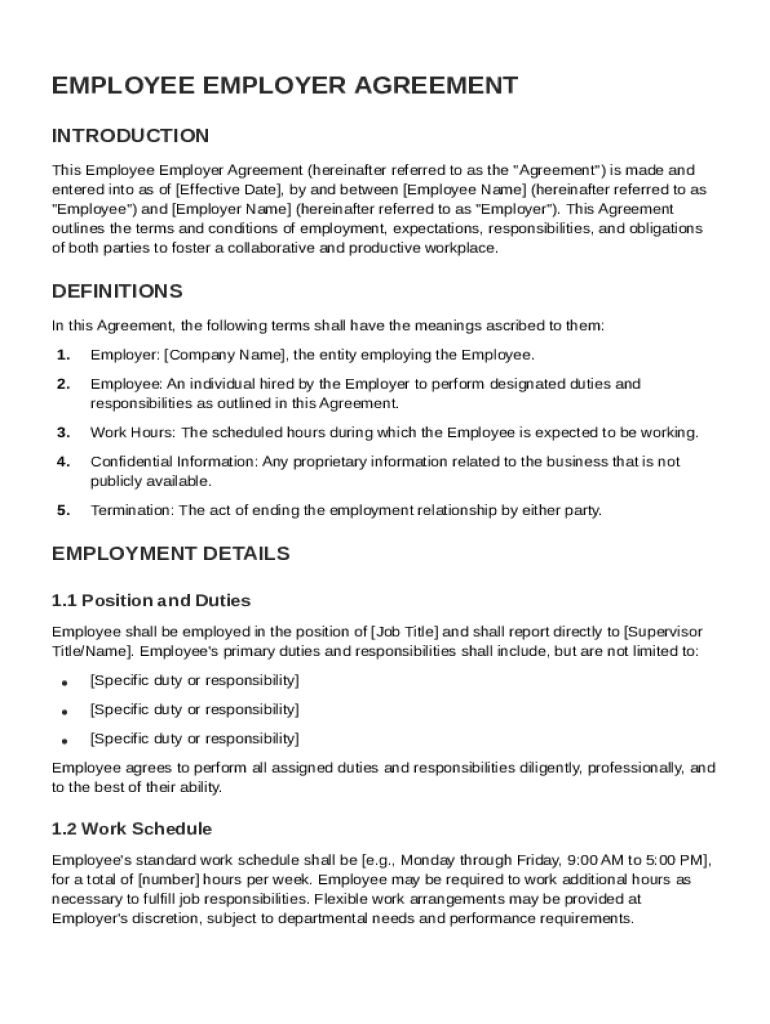
An Employee Employer Agreement Template serves as a foundational document that outlines the employment terms and conditions between an employee and an employer. This template includes critical elements such as job title, work schedule, compensation, benefits, and other essential aspects of the employment relationship. It aims to establish a clear understanding of both parties' responsibilities and rights, ensuring a productive workplace while minimizing potential disputes. Examples of terms that may be included are definitions of full-time or part-time status, confidentiality clauses, and the processes for performance reviews and termination.
How to Use the Employee Employer Agreement Template
Using the Employee Employer Agreement Template involves a series of steps that ensure both parties have a mutual understanding of employment terms. Begin by reviewing the template thoroughly to understand the standard clauses that are present. Customize sections to fit the specific needs of the employment situation, such as adjusting compensation details or work schedules. Collaboration between the HR department and legal advisors might be necessary to ensure compliance with local employment laws. Finally, both parties should review and sign the document to formalize the agreement, ensuring that they acknowledge and accept the terms outlined.
Key Elements of the Employee Employer Agreement Template
The Employee Employer Agreement Template typically contains several key elements essential for a comprehensive employment contract. These include:
- Position and Duties: A detailed description of the role and responsibilities expected of the employee.
- Compensation and Benefits: Information regarding salary, bonuses, health insurance, retirement plans, and other benefits.
- Work Schedule: Define regular working hours, overtime policies, and any expectations for travel or remote work.
- Confidentiality Obligations: Clauses to protect sensitive company information and intellectual property.
- Conduct and Performance Expectations: Standards for employee behavior and performance reviews.
- Termination Procedures: Conditions under which the employment relationship can be ended, including notice periods and severance pay.
- Governing Law: The legal jurisdiction governing the agreement and any potential disputes.
Legal Use of the Employee Employer Agreement Template
The Employee Employer Agreement Template is a legally binding document designed to protect both the employer and the employee. In the United States, it is essential to ensure that the agreement adheres to federal and state labor laws, such as the Fair Labor Standards Act. The document should also comply with laws regarding discrimination, workplace safety, and employee rights. Employers must ensure that the agreement does not include unenforceable clauses, like unreasonable non-compete stipulations. Legal advisors often review these templates to confirm they meet all legal requirements and adequately safeguard the interests of both parties.
Steps to Complete the Employee Employer Agreement Template
- Review Boilerplate Terms: Start by reading the standard terms included in the template to understand the baseline agreements typically in place.
- Customize Clauses: Modify sections to reflect specific employment conditions, such as job-specific duties, compensation packages, and benefit offerings.
- Consult Legal Counsel: Work with a legal advisor to ensure all terms comply with applicable employment laws and regulations.
- Discuss and Agree: Both employer and employee should discuss any amendments or special conditions, ensuring mutual understanding and agreement.
- Finalize the Document: Once all changes are agreed upon, finalize the document for signing by both parties.
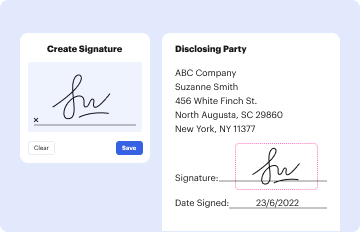
- Secure Signatures: Both parties sign the document, with electronic signatures being a legally recognized option under the ESIGN Act.
- File and Store Safely: Keep a signed copy securely stored for future reference, in both digital and physical formats if necessary.
State-Specific Rules for the Employee Employer Agreement Template
When drafting an Employee Employer Agreement Template, it is vital to consider state-specific regulations that may influence employment contracts. For example, some states have unique overtime laws, minimum wage requirements, or privacy protections that must be incorporated. Additionally, states like California and New York have specific stipulations regarding non-compete clauses and employment termination notices. Employers should consult with a local employment attorney to ensure that their templates are compliant with the laws of the state in which the employee will be working.
Examples of Using the Employee Employer Agreement Template
The Employee Employer Agreement Template can be adapted to various employment scenarios. For instance:
- Full-Time Employment: Used to detail long-term employment arrangements, covering salary, benefits, and performance metrics.
- Part-Time or Temporary Employment: Often modified to specify shorter contract durations and precise work schedules, as well as adjusted compensation terms.
- Remote Work Agreements: Tailored to include sections on virtual communication expectations, equipment provisions, and data security.
- Internships: Adapted to outline learning objectives, mentorship frameworks, and compensation for interns if applicable.
These examples demonstrate the flexibility of the template to meet diverse employment needs.
Who Typically Uses the Employee Employer Agreement Template
This template is commonly used by HR professionals, business owners, and managers who are responsible for hiring and managing employees. It is an essential tool for organizations of all sizes, particularly those who are expanding their workforce or establishing more formal employment practices. Start-ups and small businesses benefit from its comprehensiveness, providing a structured approach to employment contracts. Large corporations, meanwhile, might use it as a baseline framework, customizing it for different departments or positions within the organization.