




01. Edit your form online
Type text, add images, blackout confidential details, add comments, highlights and more.

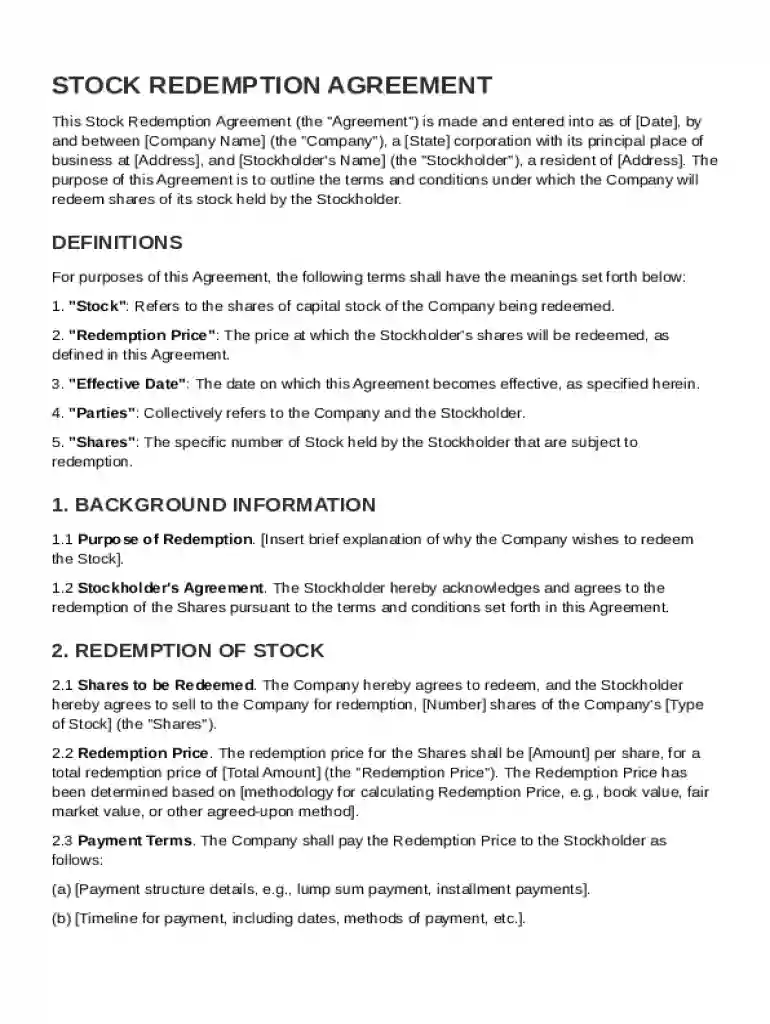
Type text, add images, blackout confidential details, add comments, highlights and more.

Draw your signature, type it, upload its image, or use your mobile device as a signature pad.

Send it via email, link, or fax. You can also download it, export it or print it out.
A Stock Redemption Agreement is a legal document that specifies the conditions under which a corporation will buy back its shares from shareholders. This type of agreement commonly includes sections that define the key terms involved, the conditions for redemption, the method and timing of payment, and the roles and obligations of each party involved. The agreement aims to formalize the process of share redemption while ensuring compliance with applicable laws and satisfying the interests of both the company and its shareholders.
The stock redemption agreement comprises essential components that guide the redemption process:
Definitions and Parties: Includes precise definitions of terms used throughout the document and identifies the parties involved.
Conditions for Redemption: Outlines the specific conditions under which shares may be redeemed, such as triggering events or specific criteria agreed upon by both parties.
Payment Terms: Details the method and schedule for payments, whether it's a lump sum or installment.
Representations and Warranties: Contains assurances from both the company and the shareholders regarding the accuracy of the information provided and compliance with legal requirements.
Indemnification Clauses: Provides protection against future claims or liabilities that arise after the agreement is executed.
Governing Law: Specifies the state laws that will govern the interpretation and enforcement of the agreement.
Miscellaneous Provisions: Covers additional clauses such as amendments, severability, and dispute resolution, ensuring a comprehensive agreement.
Gather Necessary Information: Collect all relevant details about the company and shareholders, such as names, addresses, and contact information.
Fill in Definitions and Terms: Complete the sections that require specific details about key definitions, including what constitutes redeemable shares and other technical terms.
Outline Conditions for Redemption: Specify the triggers or conditions under which shares can be redeemed. Detail any specific events or criteria agreed upon.
Enter Payment and Financial Terms: Clearly define how and when payments will be made, including the total amount and method of payment.
Complete Representations and Warranties: Affirm the accuracy of the representations and warranties provided by both the company and the shareholders.
Review Indemnification and Legal Clauses: Ensure the indemnification clauses provide adequate protection and understand the governing laws and legal frameworks.
Finalize and Sign: Once all details are filled, review the document thoroughly before signing. Collect necessary signatures from all parties involved.
Understanding certain key terms can facilitate a better grasp of the stock redemption process:
Redeemable Shares: Shares that can be bought back by the company under specific conditions.
Triggering Events: Events specified in the agreement that initiate the redemption process.
Fair Market Value: The price at which the shares are bought back, usually determined through market analysis or appraisal.
Vesting: The process by which an individual earns the right to redeem shares over time, depending on certain conditions being met.
This template is used to create a binding and enforceable contract that adheres to legal standards:
Compliance: Ensures that both parties meet federal and state laws governing stock transactions and corporate governance.
Legal Protection: Provides a legal framework for resolving disputes should they arise, protecting the interests of both shareholders and corporations.
Formalization: Converts an informal redemption arrangement into a formal agreement that is legally recognized.
Certain businesses are more likely to utilize a stock redemption agreement:
Corporations: Particularly those with many shareholders, use stock redemption agreements to manage ownership and control effectively.
Family-Owned Businesses: In cases where shares need to be transferred or bought back to keep the business within the family.
Startups and SMEs: These entities often use stock redemption to manage shares as part of equity financing arrangements or employee compensation plans.
Practical scenarios where stock redemption agreements are applied include:
Employee Buybacks: A company redeems shares from retiring employees as part of their retirement settlement plan.
Controlling Interest Management: A corporation redeems shares to consolidate ownership and retain control by reducing the number of voting shares in external hands.
Dispute Resolution: When a shareholder wishes to exit the company amicably, a stock redemption agreement provides a structured method for shares buyback.
While stock redemption is federally regulated, states may impose additional rules:
California: Requires disclosure agreements and additional shareholder notifications prior to redemption.
Delaware: Provides flexibility in structuring redemption agreements but limits redemption if it could potentially harm corporate solvency.
New York: Imposes restrictions on redeeming shares if it infringes on the rights of existing creditors or affects company operations.
Understanding these elements ensures a successful and legally compliant execution of the stock redemption agreement, safeguarding the interests of all parties involved.
At DocHub, your data security is our priority. We follow HIPAA, SOC2, GDPR, and other standards, so you can work on your documents with confidence.
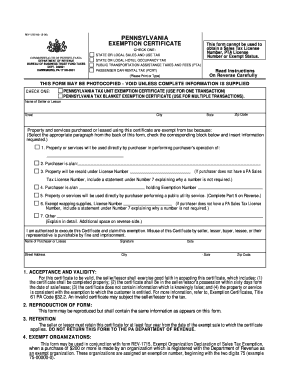

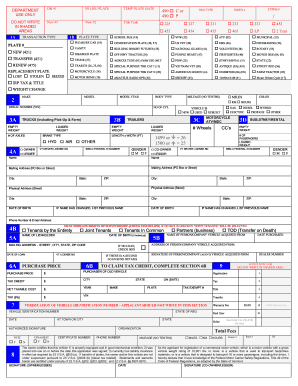
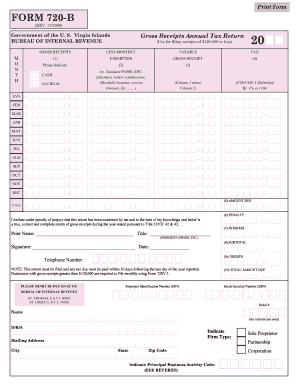
Such instruments of transfer (a) shall contain appropriate warranties and covenants which are usual and customary for transferring the type of property involved
Dec 20, 2019 Before the completion of the Transactions, the Transaction Agreement permits the Company to enter into agreements with one or more third parties


