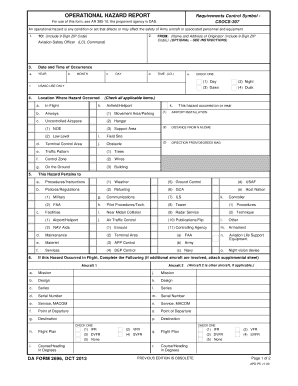
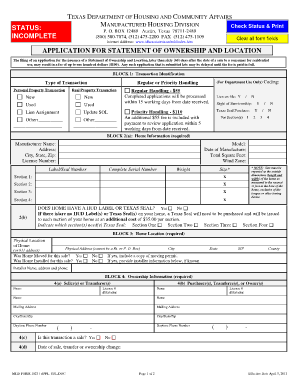
Mortgage Contract Template 2026

Get Form
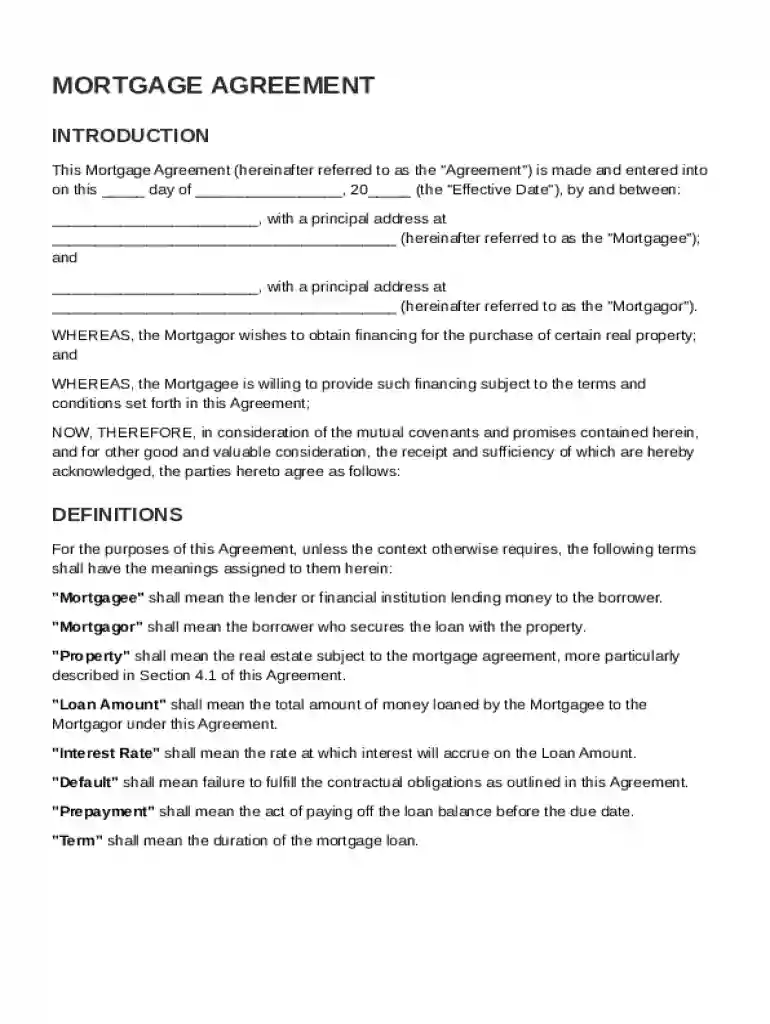
Mortgage Contract Template Preview on Page 1

Here's how it works

01. Edit your form online
Type text, add images, blackout confidential details, add comments, highlights and more.

02. Sign it in a few clicks
Draw your signature, type it, upload its image, or use your mobile device as a signature pad.

03. Share your form with others
Send it via email, link, or fax. You can also download it, export it or print it out.

Definition & Meaning

The "Mortgage Contract Template" serves as a legal document essential for outlining the relationship and obligations between the lender, known as the mortgagee, and the borrower, referred to as the mortgagor. Primarily, it is utilized during real estate transactions to detail the terms of a loan used for purchasing property. This template specifies the loan amount, interest rates, payment schedules, and security interests in the property. Moreover, it is a crucial element in ensuring clear communication between involved parties, thus preventing potential disputes over terms and responsibilities.

Key Elements of the Mortgage Contract Template

An effective mortgage contract template comprises several critical elements pivotal for clear communication and legal enforceability:

  • Loan Amount and Terms: Specifies the principal amount, interest rate, and detailed payment schedule.
  • Security Provisions: Details collateral requirements, asset liens, and contingencies related to the property.
  • Default Clauses: Outlines events and consequences of default, including foreclosure procedures.
  • Insurance Obligations: Requires maintaining property insurance to protect against potential damages or losses.
  • Governing Law: Indicates the jurisdiction's legal framework governing the agreement.

These elements ensure the agreement's enforceability and protect both parties' interests by clearly detailing expectations and obligations.

How to Use the Mortgage Contract Template

Using a mortgage contract template efficiently requires a step-by-step approach to ensure accuracy:

  1. Identification of Parties: Begin by entering complete names and contact details of both the mortgagee and mortgagor.
  2. Detailed Loan Description: Fill in the loan amount, interest rate, payment schedule, and any applicable fees.
  3. Security and Property Information: Describe the property securing the loan, including location and legal description.
  4. Incorporating Custom Provisions: Modify template fields to include specific conditions negotiated between parties, if any.
  5. Legal Review and Consultation: Before finalizing, a legal expert should review the contract for compliance with state-specific laws and accuracy.

Following these steps provides clarity and ensures that the document fulfills its intended legal function.

Important Terms Related to Mortgage Contract Template

Understanding key terminology within a mortgage contract template is crucial for clarity and proper execution:

  • Amortization: Refers to the spreading of payments over time, affecting how the loan's interest and principal are paid.
  • Foreclosure: Legally enforced sale of the property due to non-compliance or default on payment terms.
  • Lien: The lender's legal claim to the property until the borrower completes repayment.
  • Escrow Account: A third-party-held account to manage funds for taxes and insurance, integrated into monthly payments.

Familiarity with these terms ensures parties fully comprehend their rights and responsibilities.

Legal Use of the Mortgage Contract Template

The mortgage contract template is safeguarded by stringent legal frameworks to ensure fairness and enforcement, guided principally by the ESIGN Act for digital agreements:

  • Electronic Signatures: Legally binding within the template per digital signature legislation.
  • Contract Amendments: Clearly outlined procedures for modifications must be adhered to for enforceability.
  • Legal Counsel on Compliance: Recommendation for both parties to engage in legal counsel to verify compliance with U.S. laws and particular state regulations.

Legal overview and adherence to jurisdictional requirements substantiate the agreement, averting potential litigation.

Examples of Using the Mortgage Contract Template

In the U.S., mortgage contract templates are implemented in various real-world scenarios:

  • First-Time Home Buyers: Utilizing tailored templates to simplify loan terms and conditions understanding.
  • Investment Properties: Investors apply these agreements when expanding property portfolios by securing loans.
  • Refinancing Existing Loans: Used to renegotiate terms for established loans, aligning with present financial goals.

These scenarios highlight the template's adaptability across different real estate transactions, enhancing its role in efficient document standardization.

Steps to Complete the Mortgage Contract Template

To finalize a mortgage contract correctly:

  1. Gather Preliminary Information: Lift initial loan offer documents, property details, and borrower financial data.
  2. Fill Basic Party Details: Enter identifying information for lender and borrower, ensuring all data is up to date.
  3. Specify Detailed Loan Components: Include all financial terms aligning with mortgage type and lender requirements.
  4. Clarify Security Terms: Detail the security interest and procedures involving the mortgaged property.
  5. Review and Adjust Provisions: Make any necessary adjustments specific to nuances in loan negotiations.
  6. Final Approval: Both parties will need to review, agree and sign the document (physically or digitally).

Accurately completing these steps ensures the contract's validity and comprehensiveness.

State-Specific Rules for the Mortgage Contract Template

Different states in the U.S. impose varying legal requirements for mortgage contracts:

  • Property Taxes: State-specific clauses may dictate borrower obligations towards state-level property taxes.
  • Foreclosure Processes: Non-judicial vs. judicial foreclosure processes differ by state, affecting default consequences.
  • Recording Requirements: Certain jurisdictions mandate public record filing post-execution to legitimize agreements.

Thorough understanding and adherence to these state laws ensure the contract remains legally sanction-able.

Who Typically Uses the Mortgage Contract Template

This template is regularly employed by diverse entities:

  • Private Homebuyers: Simplifies understanding and management of mortgage terms for individual property purchases.
  • Real Estate Investors: Utilized for investment transactions where multiple properties are involved.
  • Financial Institutions: Banks and credit unions rely on standardized templates for streamlined loan processing.

Utilization by varying users underscores its versatility and practical benefits across real estate domains.


decoration image ratings of Dochub
be ready to get more

Complete this form in 5 minutes or less

Get form

Got questions?

We have answers to the most popular questions from our customers. If you can't find an answer to your question, please contact us.
Contact us
A mortgage contract is a legal contract between a lender and homebuyer that creates the terms and conditions surrounding a housing loan. The contract sets the terms and conditions of the relationship between the two parties. It also determines the amoung of the loan and the proposed repayment schedule.
The mortgage contract with a lender is for a specified period of time, known as the term, that is less than the entire length of a mortgage (which is known as the amortization). At the end of the term, homeowners will need to renew their mortgage commitment if the mortgage is not fully paid out.
If you break a closed mortgage, youll pay a prepayment penalty. The penalty amount depends on whether you have a variable-rate or fixed-rate mortgage. The penalty for breaking a variable rate typically equals three months interest. The penalty for breaking a fixed rate is typically more complicated and expensive.
A mortgage is an agreement between you and a lender that gives the lender the right to take your property if you dont repay the money youve borrowed plus interest. Mortgage loans are used to buy a home or to borrow money against the value of a home you already own.
Its not always necessary to involve a solicitor in drafting a loan agreement, but it can be helpful, particularly for larger loans or more complex situations. While on the face of it engaging with a solicitor can feel like a formal step, it can take the pressure off both of you and ensure the terms are fair.

Security and compliance

At DocHub, your data security is our priority. We follow HIPAA, SOC2, GDPR, and other standards, so you can work on your documents with confidence.

Learn more
ccpa2
pci-dss
gdpr-compliance
hipaa
soc-compliance

People also ask

There are four components to a mortgage payment. Principal, interest, taxes and insurance.
How to write a mortgage agreement? Include the loan amount, interest rate, repayment schedule, property details, default clauses, and any applicable legal requirements. Ensure it is signed, dated, and recorded as required by law.
A mortgage is a type of loan, but your home or property is tied to the terms of the loan. A mortgage is considered a secured loan because your home or property is being used as collateral and the mortgage will be registered on title to your home.

Related links